











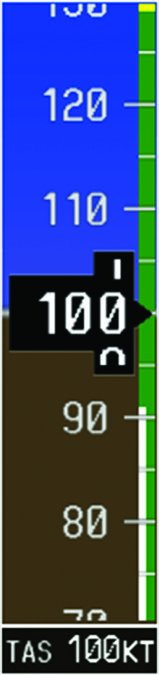


One of the most important bits of information pilots can glean from our instrument panels is airspeed. It’s used on takeoff to gauge when to apply backpressure for liftoff, it’s used when landing to ensure we’re neither too slow or too fast, and we use it in cruise to help verify performance (and establish bragging rights). Depending on the airplane and the day’s mission, we may also use it to ensure we’re at or below an appropriate speed before penetrating turbulence or conducting various maneuvers.
Airspeed also is important when we’re trying to get the best performance out of an aircraft. When climbing right after takeoff, choosing the best angle of climb speed gets us over the trees at the far end of the runway while the best rate gives us a greater altitude gain over time. Among other factors, the airspeed we want to fly depends on our operational objective, which can be as simple as getting to our destination as quickly as possible. Ultimately, though, the airspeed we want to fly often is dictated by the power settings we use.

