











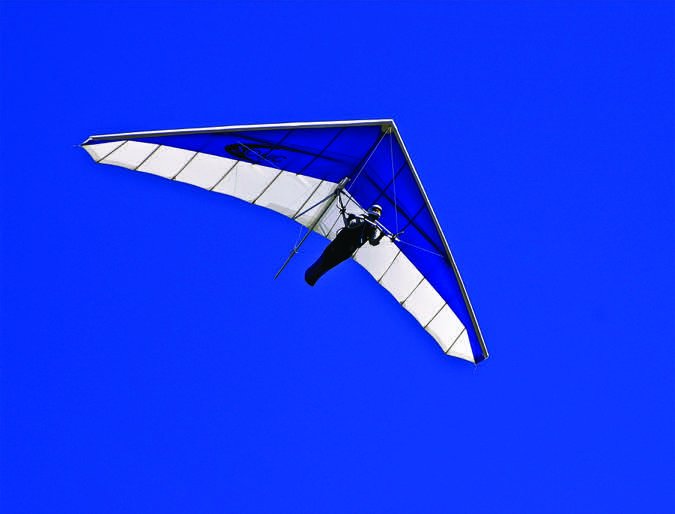


The first years and hours I spent aloft weren’t really loggable toward an FAA pilot certificate. That’s because I was doing it from a hang glider, jumping off the side of a mountain, wearing a helmet and strapped to a wing. I was the landing gear. It was more of a sport than a form of transportation, but that early exposure to flight taught some lessons that were easily transferred to powered airplanes. I went on to earn my private and an instrument rating, and have flown some interesting airplanes along the way.
Yes, flying a single-engine piston is quite different from a hang glider. But it wasn’t until after adding ultralight aircraft to my experience did the value of learning to hang glide become apparent for its benefits to my flying and judgment skills. From preflight attention to weight-and-balance, to pitch control to manage airspeed, to using lift to stay aloft, the entirety of soaring in a hang glider or a sailplane depends on winds, lift, gravity and a tactile connection to the machine. Many of those mechanical and judgment skills carry over to powered aircraft. That transfer is not readily apparent for some skills; for others, it’s the epitome of obvious.

