D Higdon Thursday, July 20, 2017

Entry-Level Travel

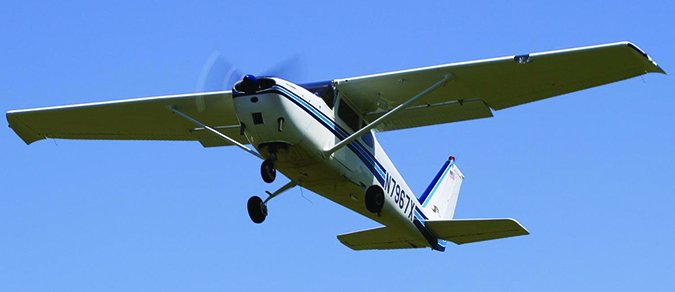
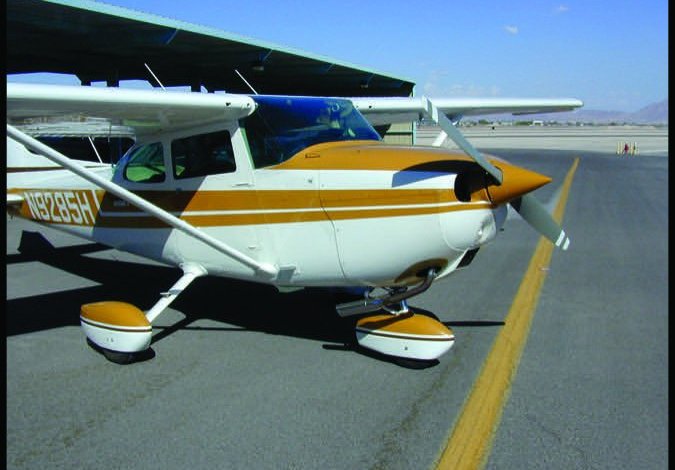
The problem with an airplane like that is you cant really use it for travel, said a pilot looking out the FBO window at a Cherokee 140 sitting on the ramp. That pilot was saying that an entry-level airplane-think two or four seats, fixed gear and no more than 160 hp-cant go places. Show me where it says that. Its hard to imagine Charles Lindbergh shrugging off the Ryan NYP because it barely made 110…
Read More »
D Higdon Monday, June 19, 2017

Soaring School

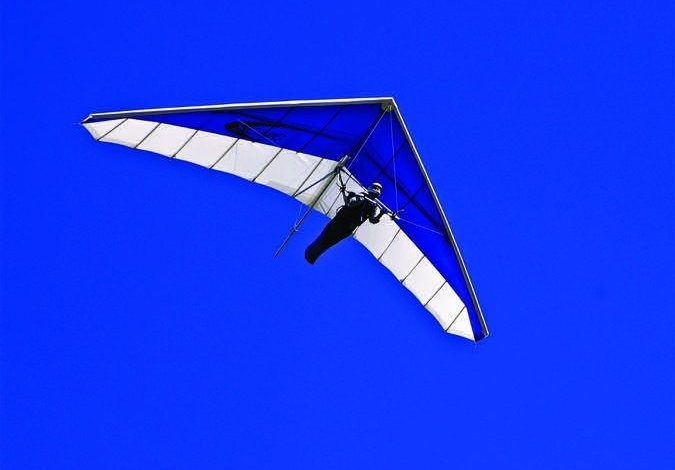
The first years and hours I spent aloft werent really loggable toward an FAA pilot certificate. Thats because I was doing it from a hang glider, jumping off the side of a mountain, wearing a helmet and strapped to a wing. I was the landing gear. It was more of a sport than a form of transportation, but that early exposure to flight taught some lessons that were easily transferred to powered airplanes. I went on to earn my private and an instrument rating, and have flown some interesting airplanes along the way.

Read More »
D Higdon Thursday, September 15, 2016

Aircraft Stalling: 3 Basic Kinds

Veteran pilots know better, because theyve learned that stalls are a normal part of flying, neither an aberration nor abnormal. They realize and understand stalls are simply what happens at the lowest end of an aircrafts normal flight envelope. Stalls when not wanted, not needed, at the wrong time, wrong place bend airplanes and break people. Which brings us to the first and most-important rule to remember about stalls: A stall can occur at any airspeed, in any attitude and at any power setting, from dead engine through full power.

Read More »
D Higdon Monday, August 22, 2016

Bottom of the White

When transitioning between Earth and sky and back again, we fly at the lower end of the controlled-flight regime-as Goldilocks might say, Not too fast, not too slow, but just right. Pilots departing generally spend less time in the bottom range of their aircrafts airspeed envelope than during arrivals and approaches. Departing, we accelerate into the takeoff roll, lift off and, still accelerating, climb. Arrivals are the opposite. We descend and slow to approach speed, enter the pattern, and decelerate even more when sliding down the final.

Read More »
D Higdon Thursday, June 16, 2016

3 Ways to Lose Control of An Airplane

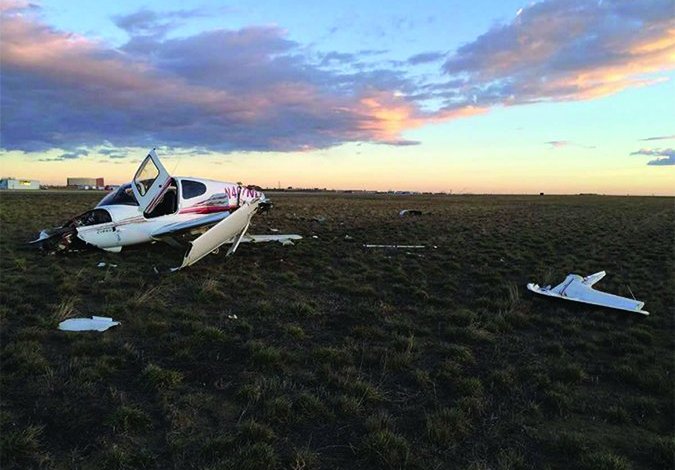
Weve always had stall/spin accidents. Today, refinements in data collection and analysis, plus improved aviation-accident taxonomy, have led the industry to adopt the loss of control in-flight, or LOC-I, nomenclature. Whatever its name, ICAOs Common Taxonomy Team calls it …an extreme manifestation of a deviation from intended flight path. It leads the statistics for business, instructional and personal flying as the single most-prevalent cause of general aviation accidents.

Read More »
D Higdon Monday, May 16, 2016

Turn Fundamentals

Arguably the most challenging of all the Wright Brothers multiple successes involved mastering roll control. Pitch and yaw came relatively easy, but absent the ability to command a roll for a coordinated turn, aviation could go nowhere-at least nowhere near the intended heading. Their solution-wing warping-allowed for affirmative roll control and completed their mastery over all three axes.

Read More »
D Higdon Friday, March 20, 2015

Saving The MU-2

On September 30, 2005, then-Director of FAAs Flight Standards Service, Jim Ballough, noted in a letter to the types owners/operators, and to maintenance technicians, the MU-2 series airplane has been involved in 11 accidents over the past 18 months, with a total of 12 fatalities. The letter announced the agency urgently was undertaking an in-depth safety evaluation and added, performance expectations and control techniques common in other turboprop twins do not necessarily transfer to flying the MU-2. Balloughs letter acknowledged the widespread perception that the airplane had a problem, thanks to its wing design and use of spoilers for roll control, which had been building for years.

Read More »
D Higdon Tuesday, July 22, 2014

Why Can’t Johnny Fly?

The stats are in, the tallies tallied and the totals have been summed up: Loss-of-control tops the list of general aviation accident causes. Recent studies by industry and government point to loss-of-control (LOC) accidents in all their variations are the leading cause of GA accidents, both fatal and otherwise. According to the U.S. Government Accountability Office, GAO, “From 1999 through 2011, nonfatal accidents involving general aviation airplanes generally decreased, falling 29 percent, from 1265 in 1999 to 902 in 2011.” That’s the good news. The bad news is there were still more than 200 fatal accidents each year during the period.

Read More »
D Higdon Wednesday, June 18, 2014

Not Just For Jets Anymore

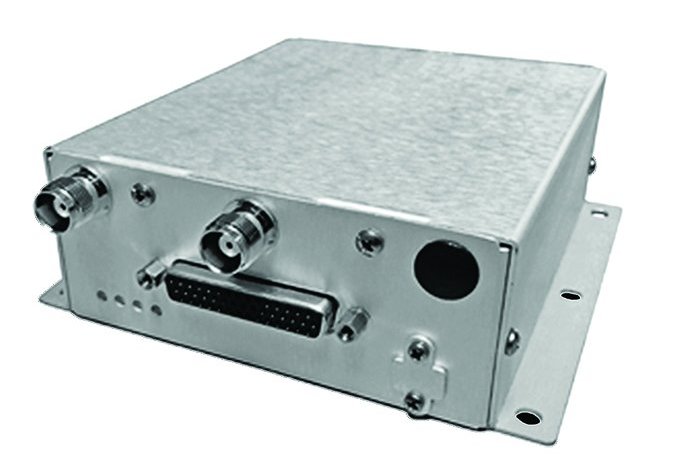
Forty percent. In any context that’s a sizable percentage. In ours, 40 percent represents the share of fatalities aviation-safety advocates pin to one category of crashes: loss-of-control accidents (LOC). Reducing LOC accidents and their fatalities led the FAA to put two available tools at the top of its 2013 list of most-desired general-aviation safety enhancements. The winners? Airbag seatbelt systems and angle-of-attack (AoA) indicators.

Read More »
Loading Posts