











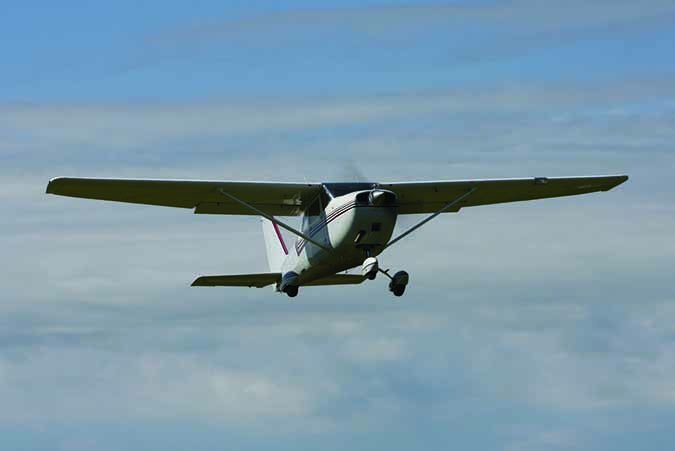


Stall. Stalls. Stalled. Few words carry such negative baggage for pilots as the various conjugates of the word “stall.” And it’s even worse outside aviation circles, where the general public and the media frequently and incorrectly use the concept, often blaming the engine for something the pilot did. Veteran pilots know better, because they’ve learned that stalls are a normal part of flying, neither an aberration nor abnormal. They realize and understand stalls are simply what happens at the lowest end of an aircraft’s normal flight envelope.
Stalls when not wanted, not needed, at the wrong time, wrong place bend airplanes and break people. Which brings us to the first and most-important rule to remember about stalls: A stall can occur at any airspeed, in any attitude and at any power setting, from dead engine through full power. But the look, feel, entry method and recovery technique vary according to the stall type. We recognize three basic stall types: power-off, power-on and accelerated.

