











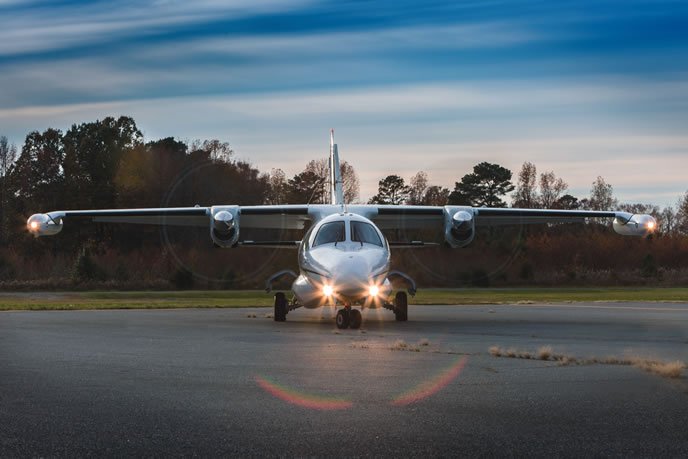


On September 30, 2005, then-Director of FAA’s Flight Standards Service, Jim Ballough, noted in a letter to the type’s owners/operators, and to maintenance technicians, “the MU-2 series airplane has been involved in 11 accidents over the past 18 months, with a total of 12 fatalities.” The letter announced the agency “urgently” was undertaking an “in-depth” safety evaluation and added, “performance expectations and control techniques common in other turboprop twins do not necessarily transfer to flying the MU-2.” Ballough’s letter acknowledged the widespread perception that the airplane had a problem, thanks to its wing design and use of spoilers for roll control, which had been building for years.
The events leading up to Ballough’s letter are complicated—and involve a vocal U.S. Congressman who specifically requested that the MU-2 fleet be grounded. All of which created a problem for MU-2 owners and operators, the manufacturers and the FAA. The perception of the MU-2 as a “widow maker” grew mostly out of a dismal 20 years of the aircraft’s nearly 50-year history. Only seven of the 20 years ended with fatalities in single digits. The tally: 119 accidents with 257 fatalities. But a 2008 special federal aviation regulation (SFAR 108) requiring special training to fly or instruct in the type turned all that around: Eight accidents have occurred since the rule went into effect—only two were fatal. What did SFAR 108 require? And what lessons can be applied to other types?

