













Register

Survive Inadvertent IMC The Old-Fashioned Way

if youve been around general aviation for any time at all, by now you should not be surprised to learn that attempted VFR flight into instrument metereological conditions (IMC) and its close cousin, loss of visual references at night, consistently rank as the most lethal type of GA accidents. Although the numbers (thank goodness!) have recently begun to decline, about seven out of every eight-nearly 90 percent-of those accidents are still fatal. Thats largely because, as current NTSB Vice Chairman Bruce Landsberg puts it, they tend to end in flight into terrain, either controlled or (more often) uncontrolled. In both cases, prospects for survival are meager.


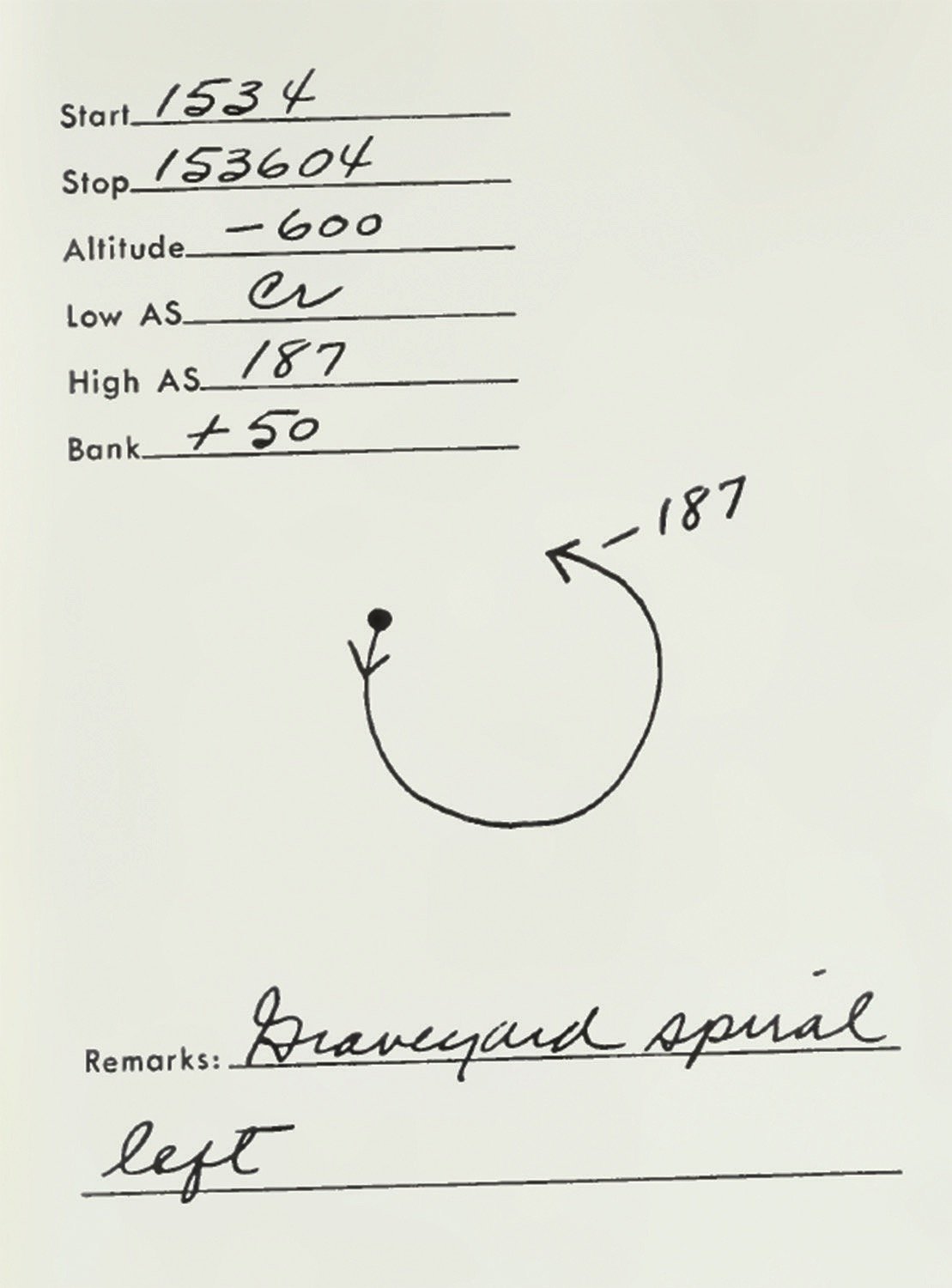
Reproduced here, and below, are instructor’s notes made during training flights with subject 13. When the study began, this person was 48 years old and held a private certificate. The non-instrument-rated pilot had accrued some 500 hours’ total flight time in an Ercoupe, a Stinson 150 and a Cessna 140. At the beginning of the study, the pilot needed only 124 seconds—far short of the 178-second average—to lose control.
Gemini Sparkle

Key Takeaways:

  • Non-instrument-rated pilots flying into Instrument Meteorological Conditions (IMC) rapidly lose control (averaging 178 seconds), making VFR-into-IMC accidents highly lethal.
  • A 1954 University of Illinois study developed a simple, 10-step technique using basic instruments to safely recover aircraft control and reverse course or descend in IMC.
  • This "hands-off" technique, emphasizing rudder-controlled turns, proved highly effective, increasing successful recoveries from 0% to 98% after only a few hours of training.
  • Though initially successful and widely taught as the "180-Degree Rating Course," this specific life-saving training was largely superseded by broader, potentially less effective, FAA instrument training mandates.
See a mistake? Contact us.

Editor’s Note: A sidebar in Mike Hart’s February 2019 “Losing Orientation” highlighted a 1954 University of Illinois study finding that a non-instrument-rated pilot who inadvertently encounters instrument conditions will last, on average, 178 seconds before losing control. We thought the study deserved some additional scrutiny.

If you’ve been around general aviation for any time at all, by now you should not be surprised to learn that attempted VFR flight into instrument metereological conditions (IMC) and its close cousin, loss of visual references at night, consistently rank as the most lethal type of GA accidents. Although the numbers (thank goodness!) have recently begun to decline, about seven out of every eight—nearly 90 percent—of those accidents are still fatal. That’s largely because, as current NTSB Vice Chairman Bruce Landsberg puts it, they tend to end in flight into terrain, either controlled or (more often) uncontrolled. In both cases, prospects for survival are meager.

Ready to Sell Your Aircraft?

List your airplane on AircraftForSale.com and reach qualified buyers.

List Your Aircraft
AircraftForSale Logo | FLYING Logo
Pilot in aircraft
Sign-up for newsletters & special offers!

Get the latest stories & special offers delivered directly to your inbox.

SUBSCRIBE