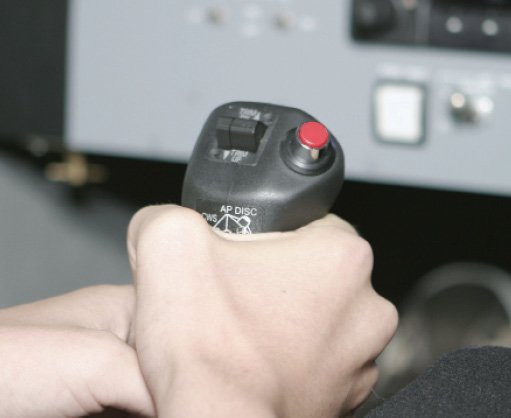
David Jack Kenny Friday, April 26, 2019

Lessons Not Learned

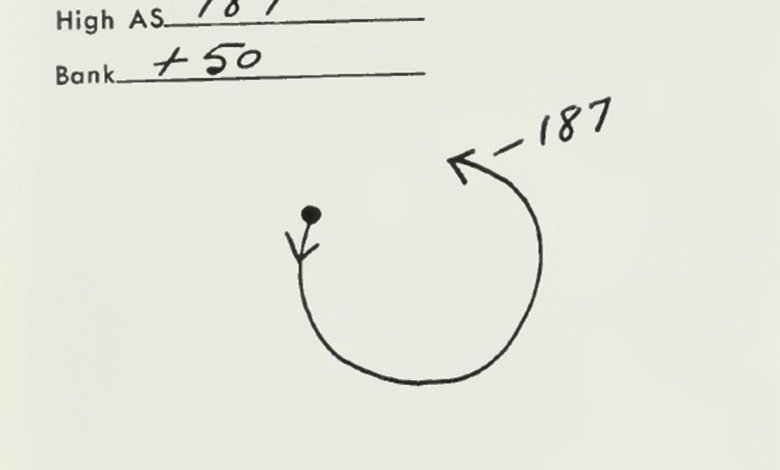
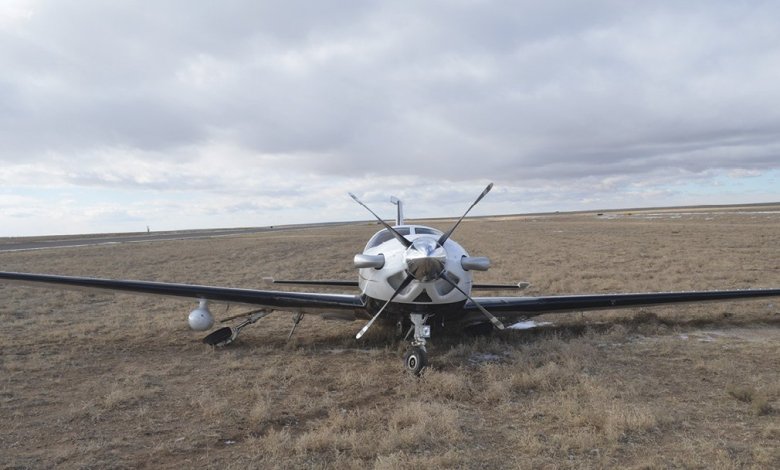
The accident occurred nine years almost to the day after an 18,600-hour airline transport pilot flew a Beech Baron into the lake just after departing from the same airport on a nighttime positioning flight. In the case of the Citation, the Board surmised that due to the pilots recent transition from a Citation Mustang with a different panel layout, he might have been unaware that hed never engaged the autopilot as hed presumably intended. On the night of the Baron accident, ceilings were 25,000 feet and visibility unrestricted, but the moon and city lights were behind the pilot once he turned north over the lake.
Read More »
David Jack Kenny Sunday, March 17, 2019

Survive Inadvertent IMC The Old-Fashioned Way

if youve been around general aviation for any time at all, by now you should not be surprised to learn that attempted VFR flight into instrument metereological conditions (IMC) and its close cousin, loss of visual references at night, consistently rank as the most lethal type of GA accidents. Although the numbers (thank goodness!) have recently begun to decline, about seven out of every eight-nearly 90 percent-of those accidents are still fatal. Thats largely because, as current NTSB Vice Chairman Bruce Landsberg puts it, they tend to end in flight into terrain, either controlled or (more often) uncontrolled. In both cases, prospects for survival are meager.

Read More »
David Jack Kenny Monday, February 25, 2019

After The Prop Stops

One of the oldest jokes in aviation holds that the big fan is there to cool the cockpit: Whenever it stops unexpectedly, the pilot starts to sweat. Every aviator whos had that experience can probably confirm a significant uptick in pulse and respiration. In the best case, thats accompanied by a corresponding intensification of focus, rapid execution of the memory steps of the emergency procedures checklist and efficient assessment of available alternatives. In the worst…well, those pilots arent available for interviews, but tapes of their radio transmissions can make for uncomfortable listening.

Read More »
David Jack Kenny Monday, October 29, 2018

Undoing An Upset

Lets start by dispensing with the obvious: Loss of control in flight is a lousy explanation, and not much better as a description. Eventually well come up with something better, which hopefully will reflect the myriad ways pilots can let aircraft get away from them. Spatial disorientation in IMC is as different from a moose stall as wake turbulence is from sloppily flown S-turns on final. At best, the ICAOs accident taxonomy-adopted by the FAA and NTSB, presumably in the name of harmonization-provides snapshots of how accident sequences end with negligible insight into what triggered them or how they developed. As a safety strategy, Dont lose control is about as useful as Dont let the engine quit.

Read More »
David Jack Kenny Sunday, September 23, 2018

Diversionary Tactics

True, it wont tell you how far youll have to go to find good barbecue, or even whether theres a courtesy car. It will, however, give you the hours at which someone should be there, the kinds of fuel available and whether theres 24-hour self-service, phone numbers for the airport manager or to request after-hours services (if available), the dimensions and pattern orientations of all runways…plus latitude and longitude, bearings and distances to the nearest navaids, frequencies for approach control, weather, and the CTAF or tower and descriptions of possible conflicts such as banner tows or skydiving. It even details what repair services are available, though you might have to look up the codes. (S4 means major airframe and powerplant.) Thats a lot of information for seven bucks-and the batteries never run down.

Read More »
David Jack Kenny Monday, August 20, 2018

Maneuvers

But if you struggled to get the knack of flight maneuver exercises that often seemed far removed from the realities of coaxing an aircraft between Points A and B, you have our sympathy. Training for the private and commercial certificates in particular requires learning to master maneuvers whose relation to practical aviation is, to put it charitably, not obvious. (If you can envision a situation in which your life depends on being able to fly lazy eights to airman certification standards, by all means write in to describe it, as we cant.) This raises the question: Having once done them well enough to persuade an examiner to issue a certificate, is there any reason to go on spending flight time and the money it represents maintaining those elusive skills?

Read More »
David Jack Kenny Thursday, July 26, 2018

Real-World Takeoff Performance

1) A Piper PA-32R-300 Lance attempted to take off from a 3200-foot-long grass runway on a June morning with flaps retracted. It lifted off at the end of the runway, then descended into a shallow valley, touched down and lifted off a second time, before settling back to the ground and colliding with a barbed-wire fence. It was later determined to have been 188 pounds over its maximum gross weight with its center of gravity 0.15 inches aft of limits. Density altitude was about 1800 feet above field elevation.

Read More »
David Jack Kenny Friday, June 22, 2018

Aviation Accident Data For Skeptics

An aircraft accident would seem like an easy thing to identify: Look for the smoking crater with a few pieces of empennage sticking out, right? Okay, that one probably qualifies. But the national statistics are derived from a very specific definition of accident thats not based on either the events immediate effects on airworthiness or the projected cost of repairs. Airplanes can be and often are scrapped for damage that would cost more to fix than their hulls are worth but still doesnt qualify as substantial enough to merit reporting. Conversely, damage that does qualify sometimes goes unnoticed by the pilots who inflicted it, only to be discovered on a later pre-flight inspection.

Read More »
David Jack Kenny Monday, May 21, 2018

Why Do We Stall?

Fixed-wing pilots start learning stall recognition and avoidance during pre-solo training. The private and sport pilot checkrides require recovering from developed stalls with minimal loss of altitude, and stall and spin awareness are (or at least should be) refreshed during flight reviews for the duration of ones flying career. But unintended stalls still put dozens of airplanes into the ground every year. Is it possible that stall training as currently practiced isnt as effective as it might be?

Read More »
David Jack Kenny Tuesday, March 20, 2018

Just Go Around

Its a moment you probably wont forget. After your instructor handed back your signed logbook and reached for the cockpit door, he or she reminded you, If anything about the landing doesnt look right, just go around.

Read More »
Loading Posts