













Register

Ag Pilots

The old stereotype of crop dusters-excuse me, aerial applicators-is that they are scofflaw daredevils, perhaps with behavior issues. That caricature is a relic of the past, when an enterprising farmer would buy a $300 war-surplus Stearman, put a hopper in the front cockpit and fly the plane hard until it broke. It follows that some might think ag pilots are an unlikely source of safety wisdom, and have fallen far behind aviations cutting-edge technology, but the truth is quite different.

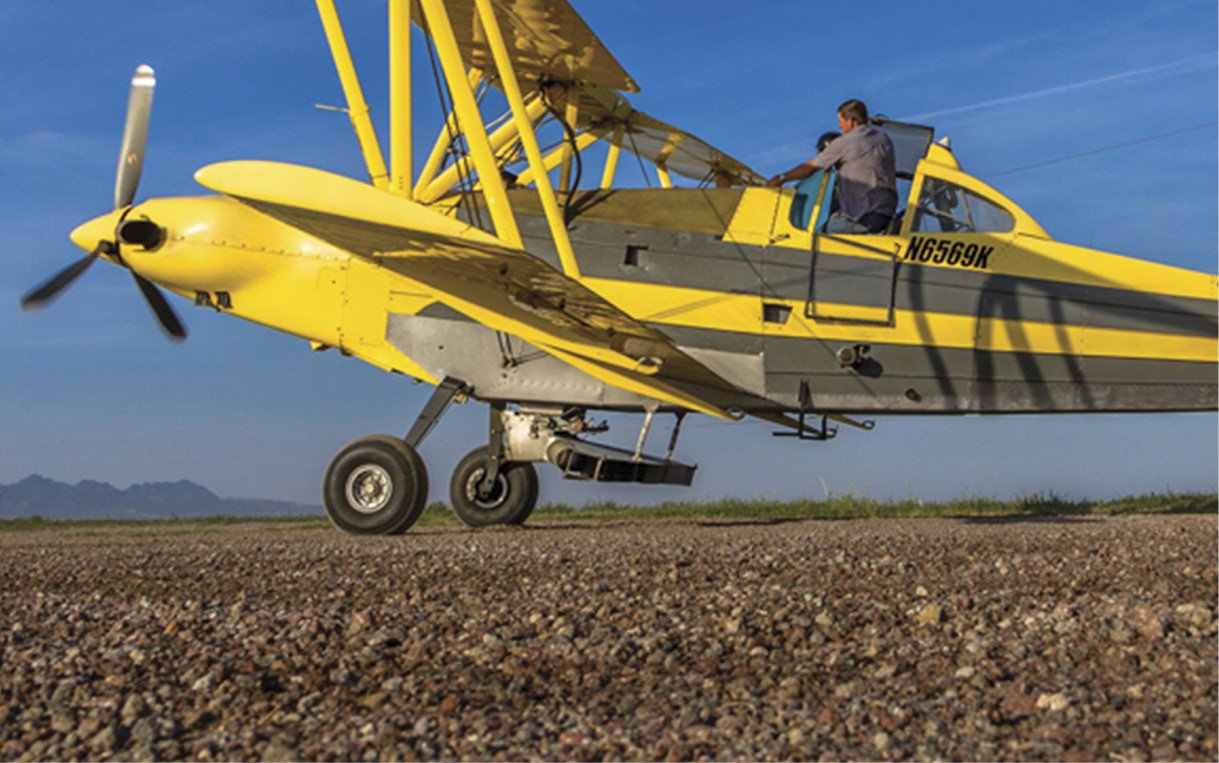
Ag pilot Cade Boeger climbs down from his turboprop-converted Grumman AgCat after landing on a dirt strip during his flying season. He’s learned a lot about flying low, personal fatigue and when to quit. Image copyright ©Chris Haile.
Gemini Sparkle

Key Takeaways:

  • Modern ag aviation has transformed from its "daredevil" stereotype into a highly professional and safety-conscious industry, utilizing advanced turbine aircraft and employing rigorously trained pilots with significantly improved accident rates.
  • Ag pilots, operating in extremely demanding low-altitude environments, prioritize meticulous pre-flight inspections, superior stick-and-rudder skills, thorough environmental scouting for hazards like wires and unmarked towers, and maintaining peak physical and mental fitness.
  • They advocate for disciplined risk management, including setting "switches" to make safety-driven decisions despite pressure, and warn against the severe dangers of unmanaged low-level flying and mimicking techniques from different aviation environments.
See a mistake? Contact us.

The old stereotype of crop dusters—excuse me, aerial applicators—is that they are scofflaw daredevils, perhaps with behavior issues. That caricature is a relic of the past, when an enterprising farmer would buy a $300 war-surplus Stearman, put a hopper in the front cockpit and fly the plane hard until it broke. It follows that some might think ag pilots are an unlikely source of safety wisdom, and have fallen far behind aviation’s cutting-edge technology, but the truth is quite different.

With the conversion from piston to turbine engines nearly complete—today, more than 90 percent of the fleet is turbine-powered—the modern ag aviation industry is dominated by $1 million-$3 million aircraft equipped with sophisticated GPS systems. The industry safety record and culture have improved markedly, with accident rates reduced by half since the 1990s. Pilots are often recruited from professional aviation programs. There is no room for daredevil pilots with accident or violation records, because they are simply not insurable.


Ready to Sell Your Aircraft?

List your airplane on AircraftForSale.com and reach qualified buyers.

List Your Aircraft
AircraftForSale Logo | FLYING Logo
Pilot in aircraft
Sign-up for newsletters & special offers!

Get the latest stories & special offers delivered directly to your inbox.

SUBSCRIBE