










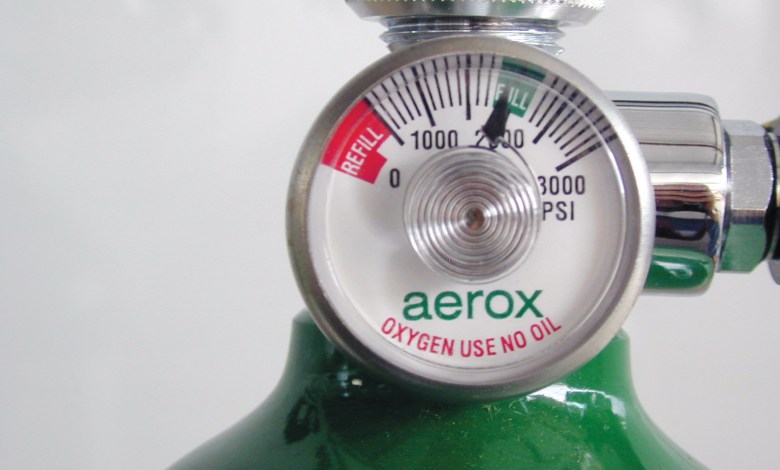
How I Learned To Love Supplemental Oxygen
Hypoxia can be a threat even at so-called non-oxygen altitudes. Mitigations include diligent preflights and monitoring.

Hypoxia can be a threat even at so-called non-oxygen altitudes. Mitigations include diligent preflights and monitoring.
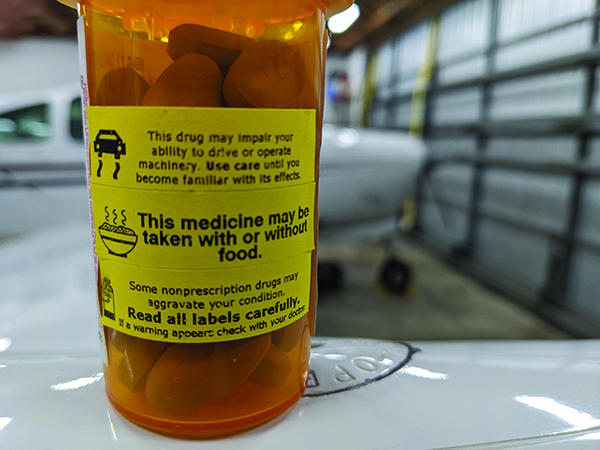
The date was July 15, 2008. The private pilot had almost 1000 hours total time, and 44 in the TBM 700 accident aircraft. The airplane was landing at Cobb County International Airport-McCollum Field on Runway 9, elevation 1078 feet msl and more than 6300 feet long. It was on final approach to the runway in […]
Cessna 12345, the tower is changing runways. Fly heading 040, direct TILLE to join the localizer for the ILS Runway 1R approach.” How many times have you heard something similar, if not for you then for another airplane on the frequency? If we or they are doing it right, the approach to the first runway […]
The AOPA Air Safety Institute (AOPA/ASI) recently released the latest in its continuing series of Joseph T. Nall Reports, the 31st. As with last year’s release of two years’ worth of data, AOPA/ASI is publishing the latest report on its web site, which allows it to provide monthly updates as new numbers flow in. As […]

Toward the back of the magazine youre holding in your hand, in our Quick Turns department, theres a news item about the FAA formally transitioning to the ICAO-standard/international flight plan form for all domestic non-military operations. If youve been paying attention over the last few years, as we have, youll be happy to know a process that has seen several earlier deadlines come and go seems to have finally staggered across the finish line. As of August 27, the international flight plan form is the law of the land, so to speak.

There are two basic ways to obtain an IFR clearance in the U.S. before departing a non-towered airport. One is to telephone Flight Service directly and get the clearance over the phone. Another is to use a remote communications outlet (RCO) to contact Flight Service or a ground communications outlet (GCO) to reach ATC over your aircrafts communication radio. In both cases, of course, youre likely to receive a clearance with a void time, since ATC cant see you on radar until youre airborne, and has to block off some portion of the airspace around your departure airport to ensure separation, at least until youre in radar contact.
The airline industry long ago figured out that one of the most dangerous things in aviation is two pilots trying to fly the same airplane at the same time. One inevitable result of such an arrangement is that there are times when no one is flying, and one of the ways we know this is from the accident record. Airlines evolved the pilot-flying/pilot-not-flying concept to acknowledge this characteristic of crewed cockpits and established clear responsibilities for each pilot.
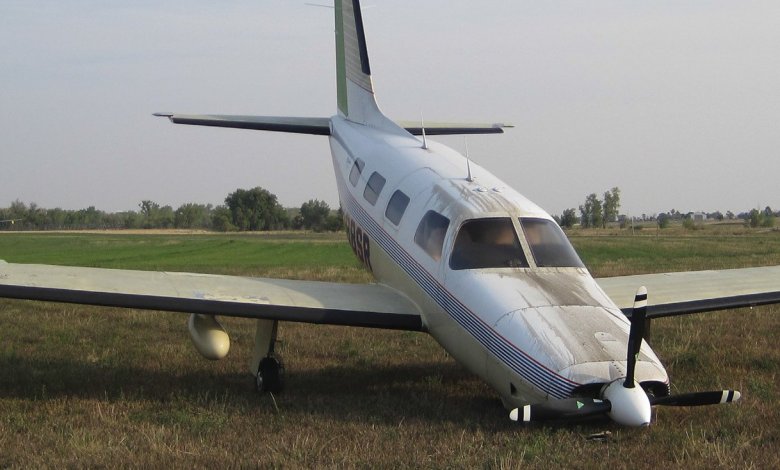
Moreover, the FAAs Airman Certification Standards (ACS) for private and commercial certificates specify that pilots are to have knowledge of EM concepts for many maneuvers. They include emergency approach and landing, soft-field/rough-field landing, normal approach and landing, short-field landing, various types of water landings, power-off 180-degree accuracy approach and landing and go-around/rejected landing. The word knowledge implies pilots should have, at least, a basic understanding of EM concepts and be able to apply these concepts to tasks in the FAAs ACS.
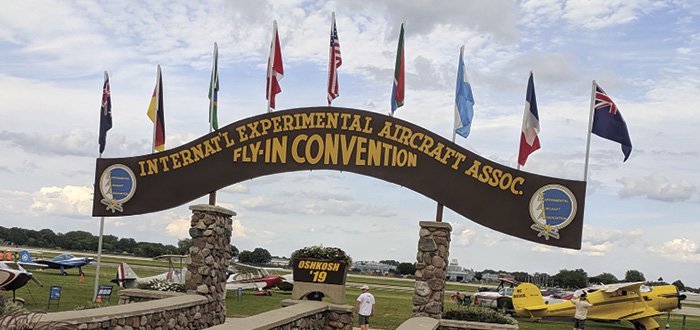
Once again, the Experimental Aircraft Association in July pulled off another great AirVenture fly-in at its home in Oshkosh, Wis. This years event had a little of everything, including torrential rain the Friday evening before Mondays opening day, nighttime air shows and lots of airplanes of every shape, size and purpose. Perhaps because the pre-show rain knocked everyone off-kilter-followed by mid-week heat-the overall event seemed to need more cowbell, but it definitely was worthwhile checking out all the new stuff and checking in with long-time friends.
After noting that five incidents of aircraft uncommanded roll events with the ATLAS activated have been reported to EASA and the FAA, the U.S. agency on May 24 issued an airworthiness directive (AD) grounding Cessna CitationJet 525, 525A and 525B models equipped with Tamarack active load alleviation system (ATLAS) winglets. The action is related to an EASA AD and is mandatory continuing airworthiness information (MCAI) issued by the aviation authority of another country to identify and correct an unsafe condition on an aviation product.

Get the latest stories & special offers delivered directly to your inbox.
SUBSCRIBE