Human Factors

Planning Plan B

Most of us who travel from small airport to smaller airport recognize the importance of weather and fuel requirements, but the alternatives available is often neglected in our training. Instead, were focused on getting a weather briefing and knowing things like runway lengths, ATC frequencies and whether the destination has a restaurant. Too often, we learn the hard way that services at the small airports closest to our ultimate destination may not be available when we need them most.

Read More »

Stop Scaring Your Passengers

One of the more common complaints heard when pilots gather is that someones spouse and kids wont fly with them or dont like flying in little airplanes. The person issuing the lament insists he (its almost invariably he) cant figure out why. Often the reason is he has scared the bejabbers out of his family members at least once and has displayed absolute cluelessness when it comes to making the flight an enjoyable experience.

Read More »

Glideslope Gouges

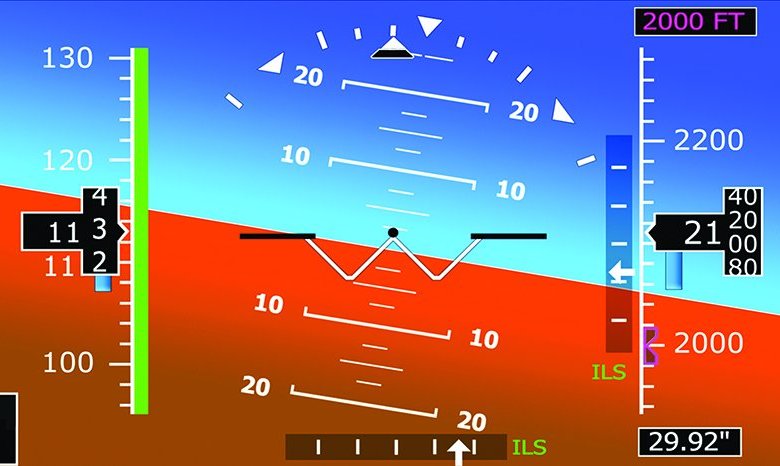
A gouge really is nothing more than a clever saying-east is least, west is best-or a rule intended to remind us of something we already know. One thing about memory gouges is theres virtually no end to them. Another thing, ironically, is we tend to forget them. With that in mind, heres a quick refresher on a gouge designed to help us fly a glideslope.

Read More »

Analyzing PBOR2

As long-time readers know, weve been following developments on industry attempts to deregulate the FAAs airman medical certification process. Happily, on December 15, 2015, the full U.S. Senate passed its version of the underlying measure, the Pilots Bill of Rights 2 (PBOR2), by unanimous voice vote. The bill, S. 571, now goes to the U.S. House of Representatives, where its immediate future is uncertain at this writing. The Senates vote to pass PBOR2 comes on the heels of literally years of work by industry organizations, individuals and Sen. James Inhofe (R-Okla.), the bills sponsor, to deregulate, or reform if you prefer, circumstances under which an FAA medical certificate is required for pilots commanding personal aircraft. The PBOR2 legislation builds on more than 10 years of experience with the FAAs sport pilot certification, which merely requires a state-issued drivers license as proof of fitness to fly. The Senate-passed version may actually require pilots to spend more time with their personal physician, reviewing their fitness to fly than before. The sidebar on the opposite page summarizes the bills provisions.


Read More »

NTSB Reports

At about 1950 Mountain time, the airplane was substantially damaged during a forced landing following a loss of engine power. The commercial pilot and his passenger were not injured. Night visual conditions prevailed. While en route, the pilot determined adequate fuel to complete the flight as planned was not aboard. The right fuel tank apparently failed to feed the engine. While preparing to land, the engine lost power. The pilot performed a forced landing to a field, during which the airplane nosed over and came to rest inverted.

Read More »

Aviation Hydration

A few years ago, as my need to travel on business to various locations ill-served by the airlines grew, using a GA airplane was a natural solution. After months of making, missing and rescheduling appointments, conducting business in FBO meeting rooms and up to four sales calls a day, I started to get the hang of it. What I learned about weather flying and fitting small airplanes into the ATC system would fill several magazines!

Read More »

Privatize ATC?

Decades ago, when commercial air transportation was first, umm, getting off the ground, it soon became apparent some way to sort and separate the growing amount of traffic was necessary to keep them from swapping paint. The first steps toward a modern air traffic control system were taken before WWII, and the U.S. government quickly began spending money, erecting navigational aids, creating airways and developing procedures to ensure the steady demand for more air travel would not be impeded.

Read More »

Pilot Bill of Rights, Control Riding and Dealing with Drones

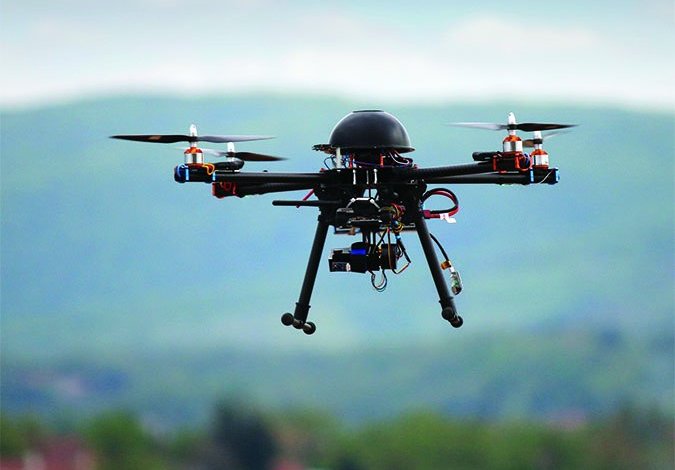
The Air Line Pilots Association (ALPA) on June 23, 2015, wrote U.S. Senators saying it is fundamentally opposed to the dangerous policy shift proposed by the Pilots Bill of Rights II (PBOR2). Reader Martin Brookes writes that every instructor he has flown with couldnt resist adding their control input on landing via subtle, unannounced control inputs to help the student. This is an unfortunately common practice, sometimes called control riding. While its easy to bash the FAA efforts to regulate drones, its important to note Congress in 2012 told the agency to come up with a regulatory scheme allowing UAS operations in the national airspace.

Read More »

Memorable Aircraft Accidents

The typical flight in a personal airplane is uneventful. We take off, fly the mission and land. Every now and then, though, stuff happens. Its one of the reasons flying has been called hours and hours of boredom punctuated by moments of sheer terror, a description it shares with many other activities. In fact, most of us have our own tales to tell, stories of airborne drama weve experienced personally or heard directly from the people involved.Ive been doing a lot of flying recently, spending quality time at airports and remote landing strips with other pilots and their airplanes. Along the way, I picked up several there I was narratives from pilots who made serious errors in judgment, plus others who experienced what can only be described as bad luck. Sharing these narratives with other pilots helps add to our knowledge of what can happen, how we should prepare for it and what we can do in response. In reflecting on them, I soon realized they all have a common element. And since I was the pilot for one such event, I can assure you: When an event begins, it often happens very quickly, providing little warning.

Read More »

Public Benefit Flying Safety

Donating your time, skill and aircraft (rented or owned) as a volunteer pilot supporting a public benefit organization can be the most rewarding flying you ever do. Whether its medical transport (by far the largest segment), environmental and conservation support, search and rescue, emergency response, pet transport or one of the many other types of public benefit flying, you can help others doing something you love while clearly demonstrating the value and capabilities of general aviation.

Read More »
Pilot in aircraft
Sign-up for newsletters & special offers!

Get the latest stories & special offers delivered directly to your inbox.

SUBSCRIBE