










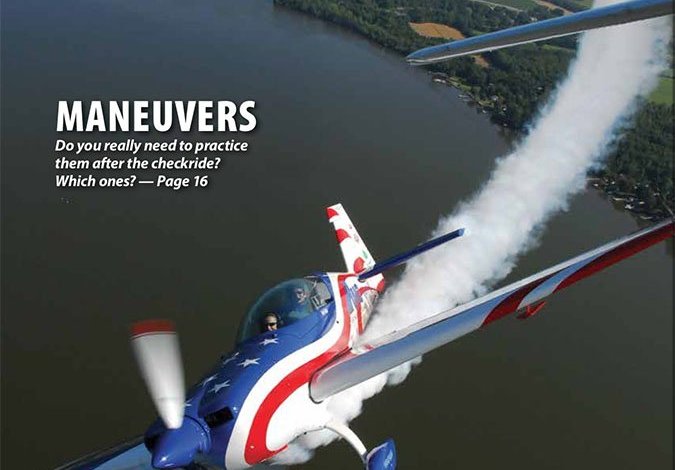
Download The Full September 2018 Issue PDF
- Maneuvers
- Safety Policy
- IMC Emergencies
- Backcountry Culture
- High-Lift Devices

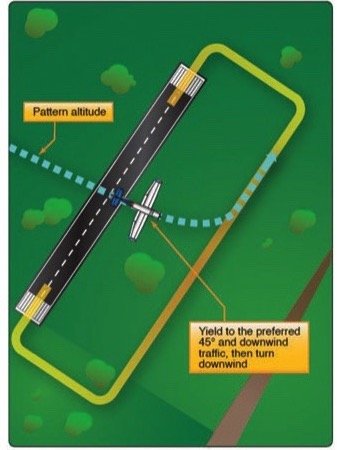
The right-hand diagram on page 32 (July 2018) depicting an alternate midfield entry when approaching from the side opposite the traffic pattern was (and I believe still is) the standard approach taught across Canada when I began flying over 50 years ago. When approaching from the same side of the traffic pattern, we were taught to enter downwind parallel to, slightly wider and slightly further upwind than usual, rather than the 45-degree entry in the U.S. The preferred entry (left-hand diagram) involves a short period where you are blind to everything that may be happening in the pattern and thus may pose unnecessary risk.
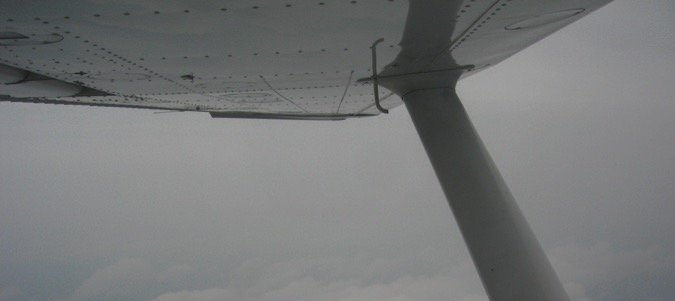
We were in IMC at 4000 feet, on a vector for the VOR-A approach at the Wichita, Kan., Colonel James Jabara Airport. The airplane was an A36 Bonanza and I was in the instructors seat on the last approach of a day-long training session. This was in the era before GPS, long before iPads and moving-map handhelds, and the owner of this then-well-equipped 36 had ignored the short-lived Loran phase. So we were eastbound on a long downwind, and crabbing into a northerly wind before intercepting the westbound final approach course before circling to Jabaras north/south runway.

The landing was normal, and I took a close look at the left landing gear after shutting down but couldnt find anything amiss. The tire and wheel looked good, and there was no hydraulic fluid seeping from the strut. The brake was secure and had tested fine on the landing, and when taxiing in. There was no damage to the wing, the landing gear door or any other part of the airplane. Not finding anything wrong with the airplane I forgot about it, wondering if I had imagined it. Ultimately, I figured Id hit a dog with the landing gear and, sadly, someone had lost their pet.
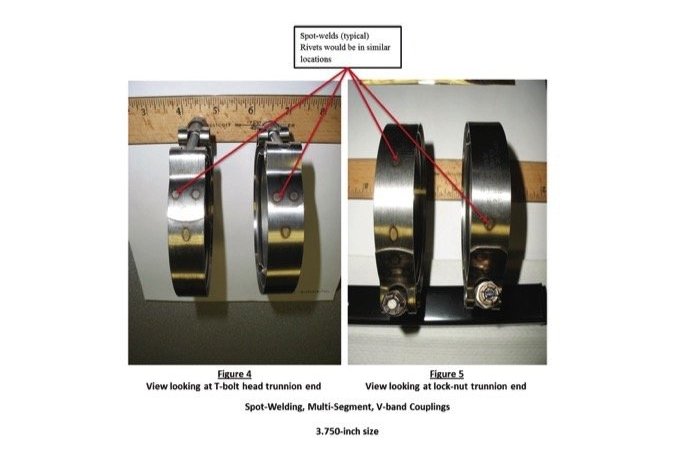
As part of its charter to help minimize GA accidents, the General Aviation Joint Steering Committee (GAJSC; see the article beginning on page 4 for background) earlier this year published a Best Practices Guide designed to ensure airplanes equipped with turbocharged reciprocating engines fitted with turbocharger to tailpipe V-band coupling/clamps, remain in their original type design configuration. It will also help to effectively manage the risk associated with the use of V-band coupling/clamps in this application.
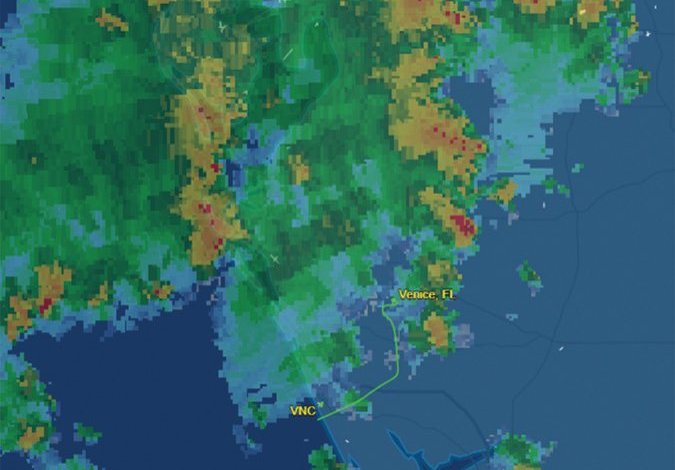
My Debonair had to go to the avionics shop recently for its 24-month pitot/static and transponder checks, and to diagnose an autopilot that wouldnt. As I feared, autopilot system components had to go out for factory attention, and the removal work would take longer than my schedule allowed. So I left the airplane and Uberd home. Before I had the free time to retrieve the airplane, my part of Florida was seeing a constant flow of moisture and showers coming in from the Gulf of Mexico.
This sounds like malpractice on the part of his FBO and possibly flight instructor. How can a student pilot in primary training with about 20 hours get checked out in a different aircraft with that little training? I remember that being approved for solo flight in my FBOs 172 was a big deal, like it is for most students: you do some landings with the instructor, then he or she gets out and tells you to do it yourself while observing from the ground, something that apparently didnt occur in this case since the instructor was with him for that sole hour of dual. Im even wondering how the students insurance company would have covered him (or if he was covered at all…).
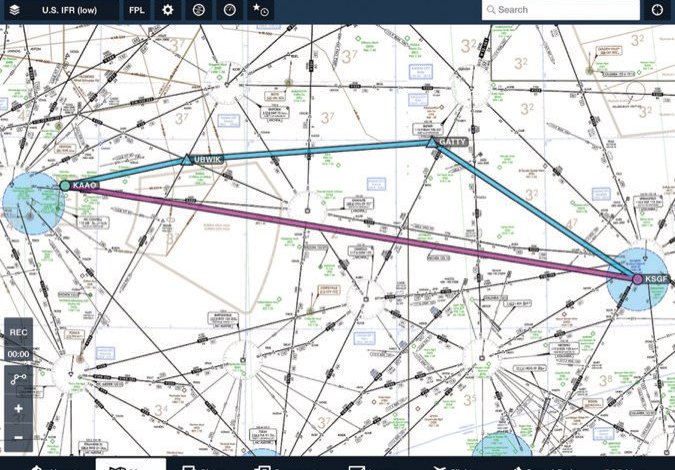
Dont you hate it when this happens? November 12345, I have an amendment to your clearance…advise when ready to copy. Then ATC gives you the barely pronounceable name of a waypoint you never heard of. Youre given a re-route around restricted airspace or a military operations area (MOA) that just went hot. Or youre making a short positioning flight in IMC, and have to make rapid-fire GPS flight plan updates and heading changes when youre cleared for a approach just as youre leveling off from climb.
Most pilots who fly single-engine piston airplanes in non-commercial operations do not undertake formal training at annual or other intervals. Instead, they are only required to complete a flight review from a certified flight instructor (CFI) every other year to fly as pilot-in-command. For most pilots, this is an exercise to be completed with as little effort as possible. Some pilots resent the requirement while a few even dread it. This doesnt have to be the case, however.
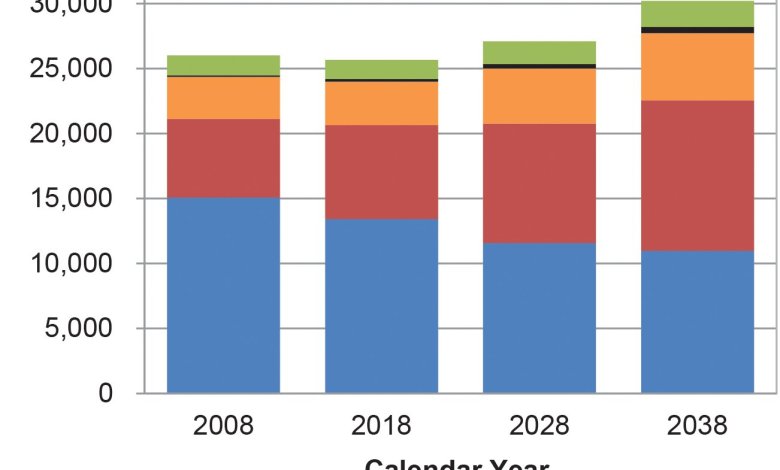
An aircraft accident would seem like an easy thing to identify: Look for the smoking crater with a few pieces of empennage sticking out, right? Okay, that one probably qualifies. But the national statistics are derived from a very specific definition of accident thats not based on either the events immediate effects on airworthiness or the projected cost of repairs. Airplanes can be and often are scrapped for damage that would cost more to fix than their hulls are worth but still doesnt qualify as substantial enough to merit reporting. Conversely, damage that does qualify sometimes goes unnoticed by the pilots who inflicted it, only to be discovered on a later pre-flight inspection.

Get the latest stories & special offers delivered directly to your inbox.
SUBSCRIBE