Human Factors

NTSB Reports: October 2017

The aircraft broke up in flight then impacted the ground after an uncontrolled descent at about 0153 Central time. The commercial pilot and five passengers sustained fatal injuries; the airplane was destroyed. Dark night visual conditions prevailed. An IFR flight plan was in effect.The airplane was in cruise at 10,000 feet msl when its pilot queried ATC about nearby weather conditions. Radar data then showed the airplane climb slightly and turn left.

Read More »

Finding The Airport

Starting a new job right out of engineering school was everything I thought it would be. With a great boss, a smart and experienced team, and interesting work, I had everything I wanted, with the exception of having to work the second shift.

Read More »

Ground Handling 101

it’s ideal to have at least two sets of eyes monitoring the activity. A wing-walker or other observer can help the tug’s diver with depth perception and likely see potential obstacles invisible from the driver’s seat.üThis Cessna 177 Cardinal appears to be well-secured. The cabin cover fits well and its straps are snug. The tiedown ropes are knotted close to the rings and it appears a control lock is installed.”

Read More »

Touch-And-Goes

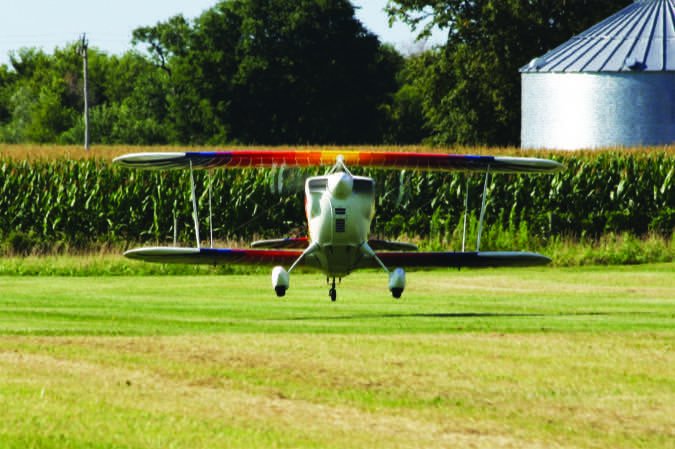
The approach and landing phase should be conducted in accordance with whatever specific procedure is being practiced: normal, engine-out, short/soft-field, high density altitude. Simply because youre not planning to slow down and exit the runway doesnt mean you should do anything different on the approach and landing. After all, the reason youre doing touch-and-goes is to practice, and you cant engage in valuable practice if you dont simulate realistic conditions and procedures.

Read More »

Two Levers Over

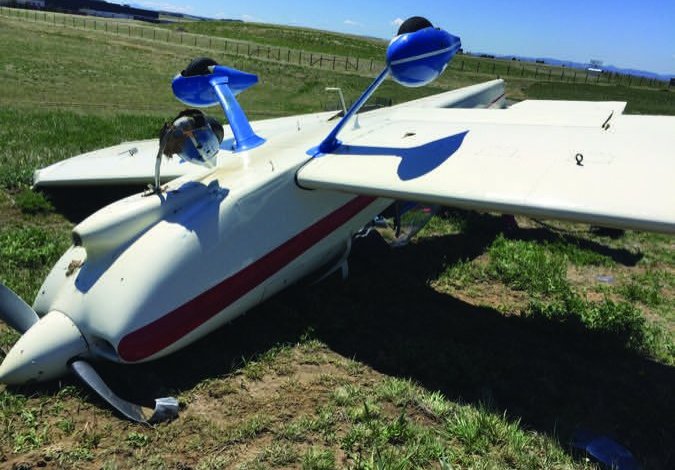
Hanging upside down in a three-point harness certainly gives you a new perspective on flying. Especially if you are on the ground, in the grass, beside the runway. My first thought was unprintable, but my second thought was, How did that just happen?

Read More »

Constant Contact

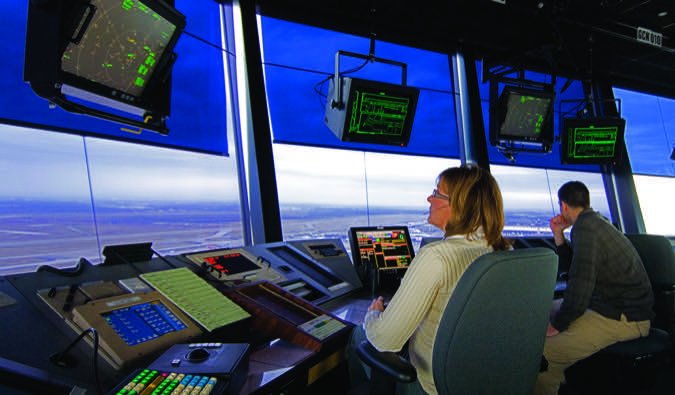
Theres really no question that maintaining radio and radar contact with ATC significantly adds to flight safety, whether youre IFR or VFR, and whether youre going somewhere or just boring holes. But its vitally important to remember that when your communications are lost, airplanes fly on physics discovered by Bernouli, not on communications pioneered by Marconi.

Read More »

BasicMed Goes Live

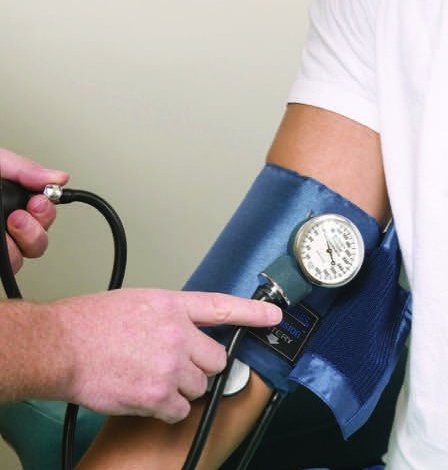
I found the article on BasicMed (BasicMed Takes Effect, May 2017) very interesting. Im a big promoter of BasicMed and of AMEs doing BasicMed exams. I fully realize the article was written prior to the FAA issuing its final checklist (Form 8700-2), but allow me to share some observations.

Read More »

Humans And Checklists

When I got my private at age 18, I was flying a Cessna 152 off a pasture. It didnt take much to memorize the steps necessary to get the old girl started: I followed the old adage, Kick the tires and light the fires. When the checklist said, Gas on fullest tank, it was pretty easy, since the 152s fuel selector is an on/off affair and always draws from both tanks. In my 18-year-old brain, the checklist seemed like an unnecessary list of the obvious. It either directed me to change the airplanes configuration to what it already was in or change it to one that was patently obvious given the stage of flight. In short, my early experiences did not help me build the best of habits.

Read More »

Stabilized Approaches

As a pilot who spent the majority of his time landing on the kind of runways described by Mike Hart in his article, Off The Beaten Path, in June 2015s issue of Aviation Safety, I will testify to the fun of landing at such places. Most pilots will spend their time on surfaces free of undulations, slope and aircraft damaging debris, so it was good to be reminded of how the surface interacts with my flying.

Read More »

NTSB Reports: June 2017

While on the base leg for his private grass airstrip, the pilot noticed he was high, so he added flaps to increase his descent rate. On final, the airspeed was a little fast and during the landing, he flared the airplane a little high. After touchdown, the pilot applied the brakes, but the airplane did not respond, so he applied a little more brake. The airplane nosed over and came to rest inverted, sustaining substantial damage to both wings and the empennage. The pilot reported he should have performed a go-around instead of attempting to salvage the landing.

Read More »
Pilot in aircraft
Sign-up for newsletters & special offers!

Get the latest stories & special offers delivered directly to your inbox.

SUBSCRIBE