













September 5, 2014: An experienced pilot and their pilot-rated passenger departed in a Daher TBM 900 from Rochester, N.Y., with a planned destination of Naples, Fla. During cruise, at FL280, the pilot reported an “indication that is not correct in the plane” to ATC. A descent to FL180 was requested, and ATC initially cleared the aircraft to FL250 pending further coordination.
The controller queried the flight on whether he was declaring an emergency, to which he replied, “Not yet, but we will let you know.” The controller soon cleared the flight to FL200 and provided a vector for the descent. Despite several readbacks, the aircraft never changed course. Four minutes after initially reporting the problem, the pilot had become unresponsive.

Air National Guard F-16s were sortied to intercept the aircraft. They observed both occupants unconscious, displaying rapid chest movement consistent with heavy breathing and not wearing oxygen masks. Photographs taken show the emergency exit recessed slightly, confirming a depressurized cabin. The F-15 pilots who relieved the F-16s observed the aircraft until it entered Cuban airspace. The turbine single continued in cruise until it ran out of fuel, entered a high descent rate and impacted the Caribbean Sea north of Jamaica.
Investigators reviewing the flight’s radio transmissions noted cognitive impairment two and half minutes after the abnormal indication, emphasizing how expeditious recognition and action are vital. This accident demonstrates the risk of hypoxia, especially but not always when operating in the flight levels.
Hypoxia Review
“Hypo” means less than normal and “oxia” refers to oxygen. The FAA’s definition: “Hypoxia is the lack of sufficient oxygen in the blood, tissues, and/or cells to maintain normal physiological function.” There are four types:
Hypoxic Hypoxia is the result of a general lack of oxygen to the body. Situations like drowning or a blocked airway preventing oxygen from reaching the lungs are considered hypoxic hypoxia, but operations at high altitude can create the same issues. The ratio of gases in the atmosphere remains constant, but as the altitude increases, the decreased pressure is insufficient pressure to pass through the membranes of the respiratory system.
Hypemic Hypoxia refers to the blood’s inability to transport enough oxygen to the body. Common examples of hypemic hypoxia outside the cockpit are the result of conditions like severe bleeding, anemia or any chemical condition that prevents hemoglobin from binding with oxygen. While flying, the most common cause is carbon monoxide (CO) poisoning. That’s because CO binds to hemoglobin more strongly than oxygen, forming carboxyhemoglobin. This prevents the blood from carrying oxygen, and you can see where that would lead.
Something to consider with hypemic hypoxia is recent blood loss, hopefully from something like a blood donation, can trigger symptoms of hypoxia at much lower pressure altitudes than typical. Exercise extreme caution when flying after donating or any other large blood loss, as it can take the body weeks to return to normal levels.
Stagnant Hypoxia occurs due to stagnation, or lack of, blood flow. Sitting in an awkward position and having your arm or leg fall asleep is a harmless example of this. If you have ever been exposed to an extremely high G-load and felt light-headed, seen spots or fainted, you have experienced stagnant hypoxia.
For histotoxic hypoxia, think toxins. There is adequate oxygen supply, but the cellular respiratory system cannot make use of it, usually due to alcohol or other drugs. Add this to the list of 500 reasons why flying impaired must always be avoided.
Hypoxia Symptoms
Here is where we touch on probably the most salient issues when it comes to hypoxia detection. Before we dive too deep into it, let’s get the “most common” symptom list out of the way. The list below summarizes the FAA’s Pilot’s Handbook of Aeronautical Knowledge, PHAK, FAA-H-8083-25C.
Symptoms vary from individual to individual, from which symptoms hit to how quickly their onset occurs. This is why hypoxia can be so insidious, and why it’s critical to catch symptoms early: Many of these symptoms will prevent you from noticing them. Consider the TBM accident from the beginning of the article. The aircraft indicated an issue, and the crew had sufficient time to descend to 10,000 feet or lower. One of the contributing factors of the accident was how TMB designed procedures for loss of cabin pressure, which had the crew troubleshoot prior to donning their oxygen masks.
Decreased response time, impaired judgment/vision, euphoria and drowsiness can directly interfere with a pilot’s ability to detect and correct a problem. While catastrophic or rapid decompression is a terrifying scenario, especially in the higher flight levels, a less-perceptible loss of cabin pressure can be just as dangerous because of how these symptoms can mask themselves.
Risk Mitigation
Hypoxia should be considered a threat anytime the aircraft is operating above 10,000 feet, but refer to FAR 91.211, which outlines the legal requirements for supplemental oxygen on both non-pressurized and pressurized aircraft. Hypoxia can occur at lower altitudes than 12,500, so if cruise flight at these levels is required for terrain, know how much oxygen you have available and plan for some contingencies to get lower.
Preflight
For pressurized aircraft, do not be tempted to depart with lower than acceptable supplemental oxygen. Proper oxygen masks provide risk mitigation for loss of cabin pressure but can also be lifesaving with smoke or fumes in the cockpit. If you are operating in the flight levels and there is any doubt the pressurization system is operating correctly, don the oxygen mask. This should be a maneuver that can be performed quickly and in limited visibility, as a rapid pressure loss will fog the cabin. In the same vein, if there is even the slightest concern about being hypoxic in a non-pressurized aircraft, either grab the supplemental oxygen or descend.
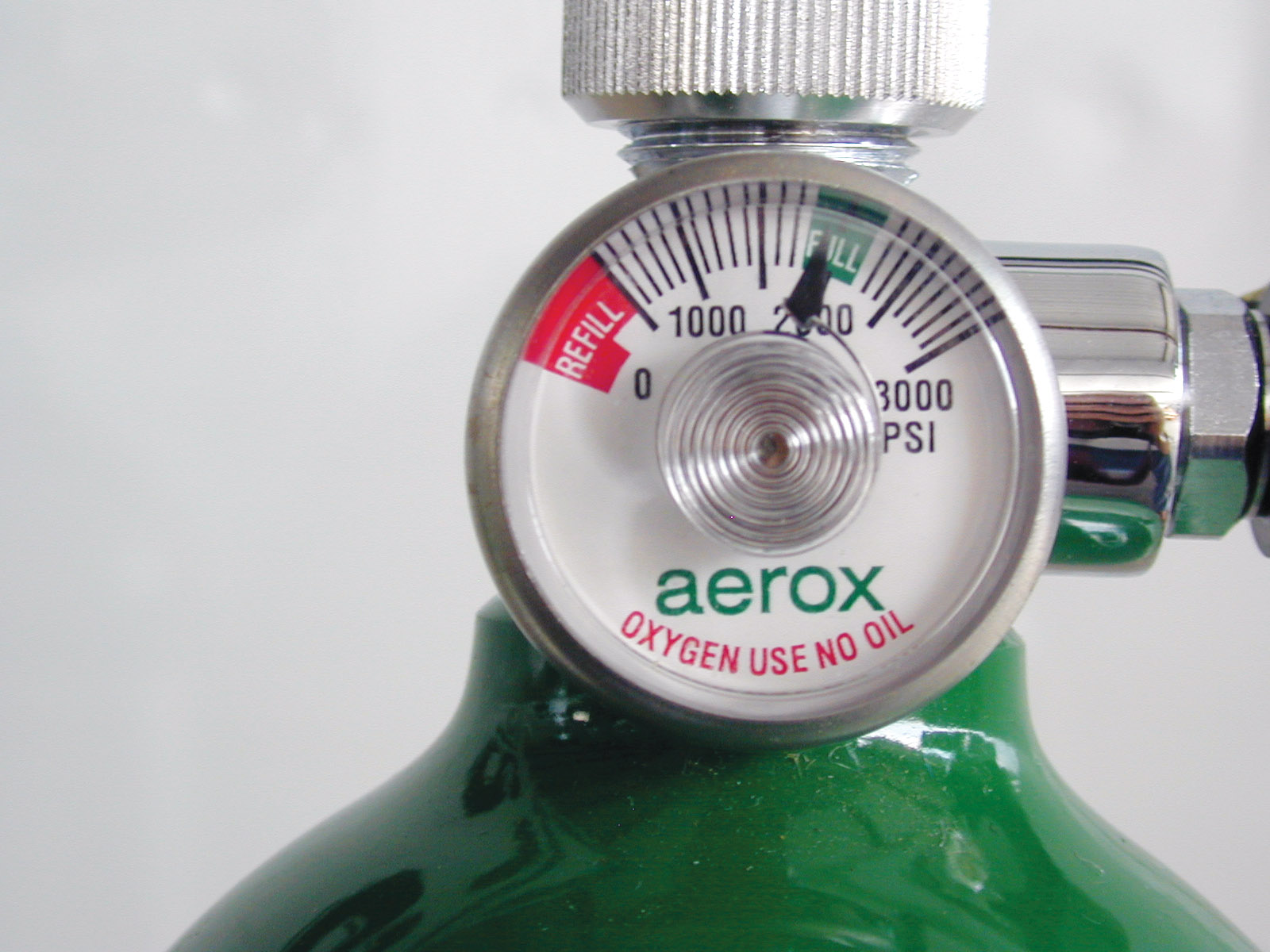
Whether you are using supplemental oxygen or the aircraft has an integral oxygen system, never allow complacency to creep into the preflight. It is not uncommon in hypoxia post-accident investigations to show that the oxygen was never turned on or the masks were disconnected. The FAA recommends the PRICE mnemonic to remind us of what to check for when preflighting oxygen equipment:
P- Pressure: Ensure adequate supply and pressure;
R- Regulator: Inspect the regulator for proper function;
I- Indicator: If oxygen flow is indicated, test the mask to confirm proper flow;
C- Connections: Ensure all connections are secure;
E- Emergency: Ensure all oxygen is ready for emergency use, within reach and that passengers are briefed.
Physiology
Generally, physical fitness helps offset or slow hypoxia symptoms. Consuming alcohol, drugs or tobacco increases the risk of hypoxia. Not smoking while flying could be considered risk mitigation for a number of reasons, so just add this horror story from an FAA brochure on hypoxia to the pile.
“A Western state pilot lived to tell about this one. Cruising at 13,500 feet msl over mountainous terrain in his light single, he took a deep drag on his cigarette and next remembered being in a screaming dive with just enough altitude left in which to pull out! That deep drag replaced precious oxygen in his brain with carbon monoxide…and he passed out.”
Always keep in mind other substances that cause hypoxia. We discussed CO already, and I just confirmed that even in 2024 a battery-powered CO detector goes for not much money. How often can you get insurance as inexpensively?
Another concern here is dry ice, solid-frozen carbon dioxide (CO2). Transporting it can create a problem because it rapidly sublimates into gaseous CO2 and can cause hypoxia via carbon dioxide poisoning. Unfortunately, you cannot place dry ice in a sealed container to prevent this because the container will pressurize and explode. Many Part 135 and 121 hazmat programs allow for small quantities in a ventilated container stored in a designated cargo area. Exercise extreme caution if you elect to transport dry ice.
Take A Deep Breath
Hypoxia can be a threat on any flight operated as low as 10,000 feet. With a risk mitigation strategy and preflight diligence, you are setting yourself up for success. If you ever suspect hypoxia inflight or there is any doubt an aircraft’s pressurization system is not working properly, don masks and descend the aircraft. Declare the emergency with ATC and work the problem once there is suitable, breathable air on board for all occupants. The only way to stay ahead of the airplane is to stay ahead of the hypoxia.


