









Ryan Motte
Wednesday, February 12, 2025
Emergency Descents
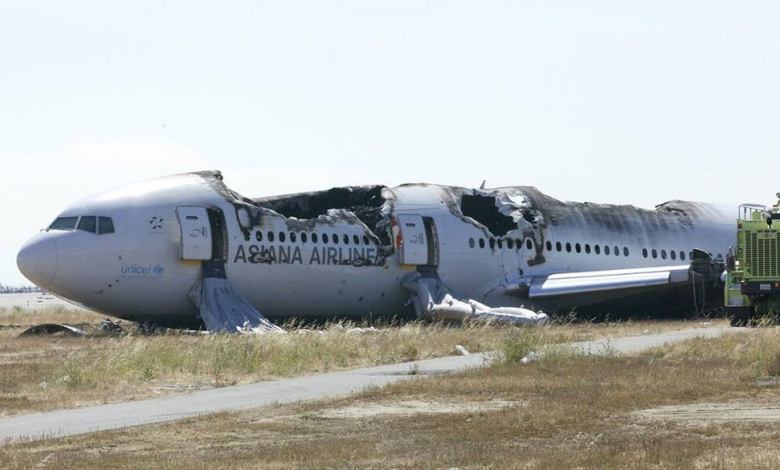
When you absolutely, positively have to get to a lower altitude, it’s good to have practiced the procedure and know what to expect.


When you absolutely, positively have to get to a lower altitude, it’s good to have practiced the procedure and know what to expect.
![Sometimes, two sets of eyes are needed to evaluate the aircraft’s status, especially if it’s coming out of maintenance or inspection, or even if you’re simply looking at something you’ve never seen before. [Credit: FLYING Archive]](https://www.flyingmag.com/wp-content/uploads/2025/01/KatanaPreflight.jpg?w=780&h=470&crop=1)
‘Kick the tires and light the fires’ only works in the movies. The rest of us should tailor inspections to the aircraft’s needs.
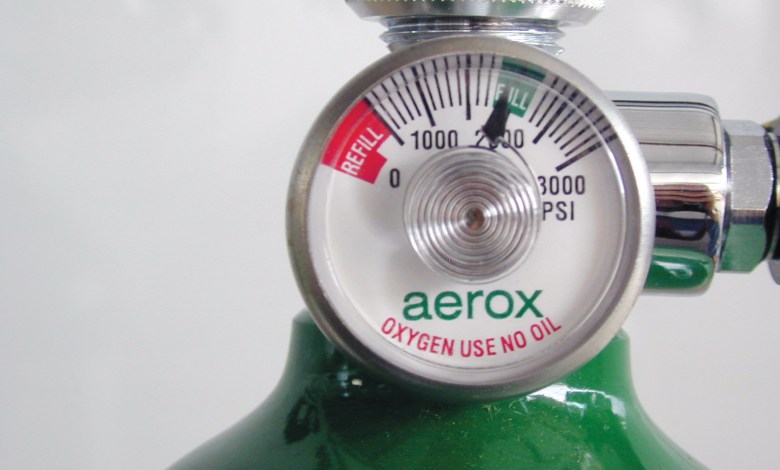
Hypoxia can be a threat even at so-called non-oxygen altitudes. Mitigations include diligent preflights and monitoring.
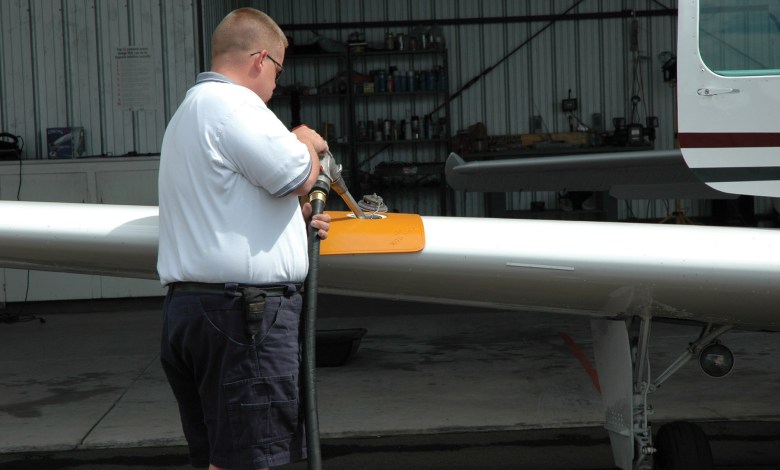
Fuel exhaustion is a preventable threat. Planning and in-flight diligence are key to ensuring healthy fuel margins. / By Ryan Motte
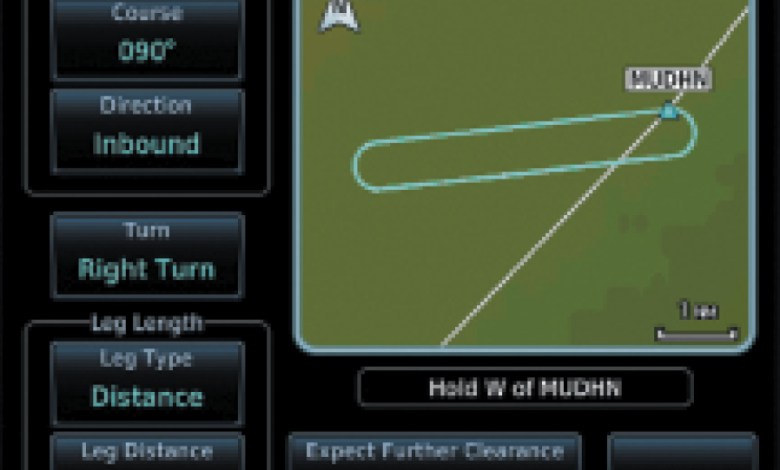
Modern area navigation systems are incredible tools, but some of the terminology can create confusion.
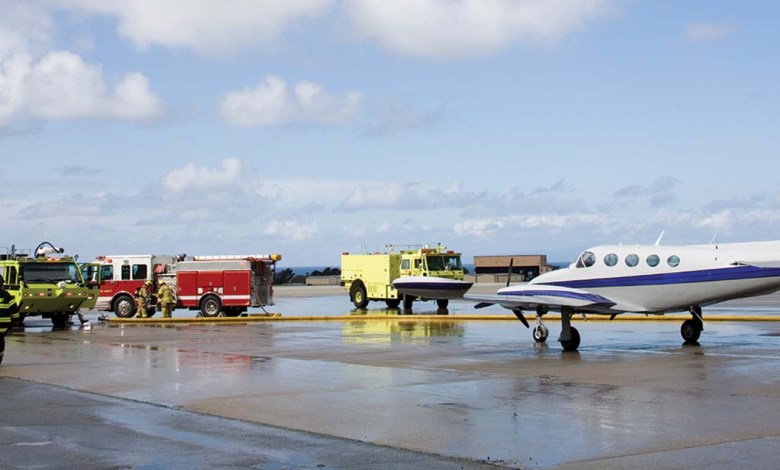
Proper use of time, resources and energy can tip the scales toward a favorable outcome.

Communicating with ATC is essential to safe, efficient operations while operating under IFR. What if you can’t?
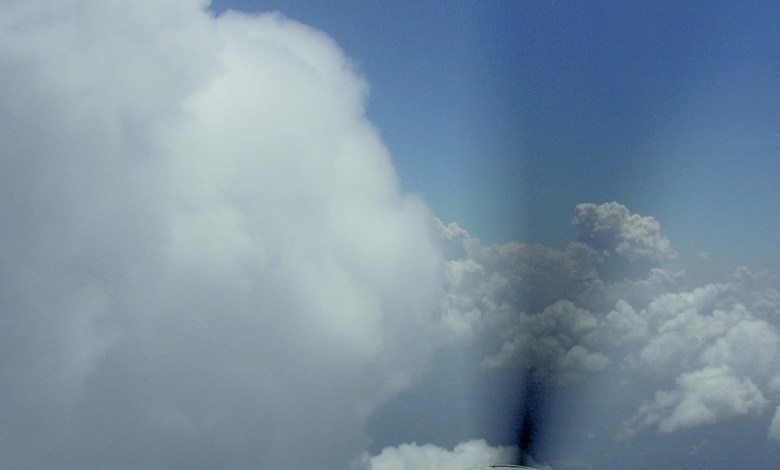
Turbulence can be a minor discomfort or endanger the aircraft. Recognition, avoidance and recovery are your tools.

Fatigue is a frequent contributing factor in mishaps. Noticing the signs and creating a mitigation strategy are essential.
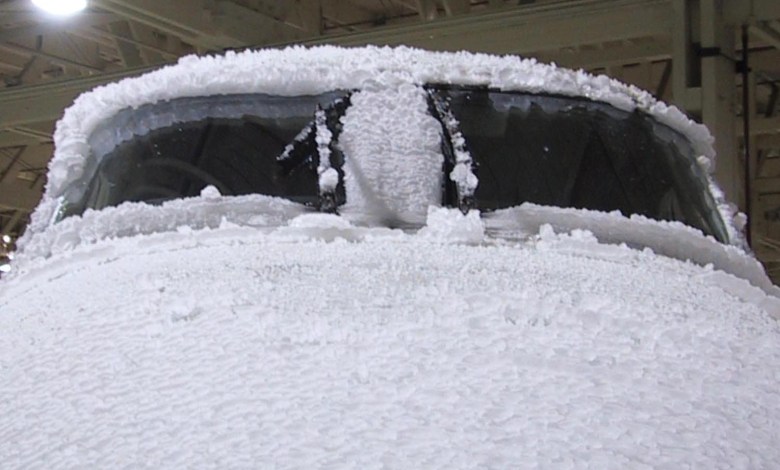
Whether you left the plane out in a storm or picked it up airborne, ice on the airframe can be a challenge to remove.