











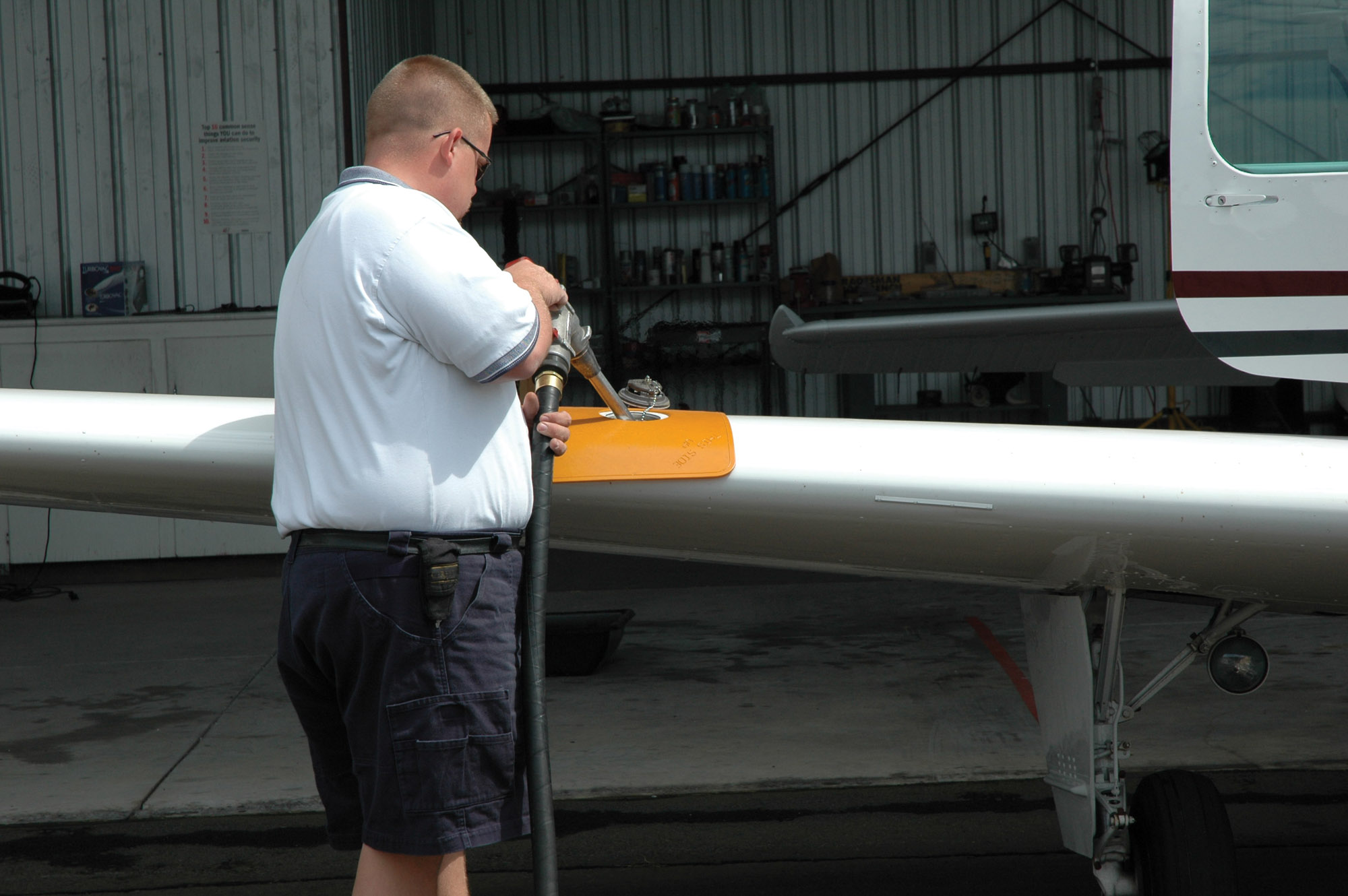


My flight school required us students to fill out a TOLD (takeoff and landing data) card with weight and balance, and fuel planning prior to each flight. Most of the time, our flight training was consistent: 1.0-1.5 hours of block time, full fuel, two passengers, a couple of flight bags. Plan it once and it’s usually the same next time. Other than verifying the tanks were full and free of contaminates, we hardly even considered fuel unless we suspected a leak or imbalance.
Conservatively, that typical training flight left us with about 3.5 hours of reserve fuel. Since topping the tanks before an instructional flight is standard procedure for many training organizations, those same numbers often apply elsewhere. My longest flight during primary training was from New Bedford, Mass., to Lancaster, Penn., with a quick detour down NYC’s Hudson River SFRA. The great circle distance is 260 nm, and quick-math fuel planning puts the one-way flight at around three hours, leaving two hours of reserve fuel at the ETA. Top the tanks again and motor back home, and the same ample fuel cushion applied.

