Reality Check

Landing In Storms?

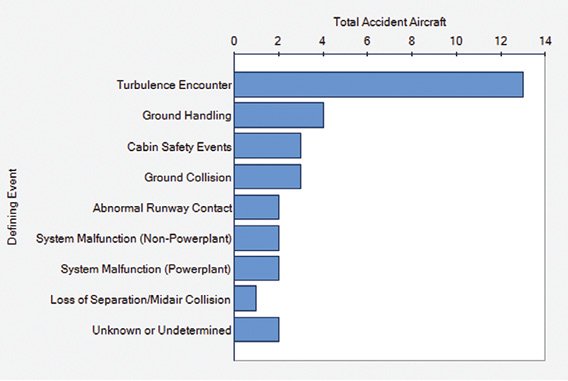
You would think pilots would have learned their lesson about messing with thunderstorms, especially landing in or near them. I mean, we’re almost 40 years beyond the defining moment in understanding wind shear and microbursts, the August 1985 crash of Delta Flight 191, a Lockheed L-1011, in Dallas, Texas. Add to that, many aircraft now […]
Read More »

NTSB Accident Reports

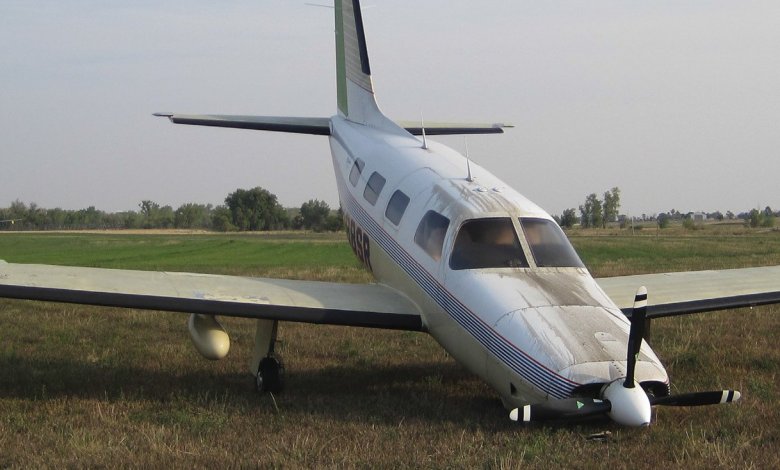
September 2, 2021, Enterprise, Ore. Cessna 172E Skyhawk At about 1130 Pacific time, the airplane was substantially damaged when its nose wheel assembly failed and it departed the runway before nosing over onto its back. The pilot and passenger were not injured. Visual conditions prevailed. Just prior to lifting off from a grass strip, the […]

Read More »

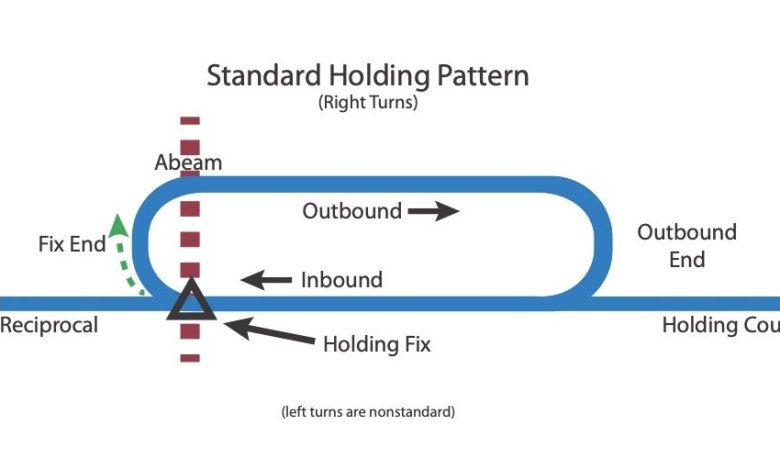
Hold Everything

Full disclosure: I suck at holds. I can find the fix and figure out the recommended entry method without too much trouble. And I usually turn the correct direction upon crossing the holding fix. Usually. After that, things start to become loosely held, and it might take me a couple of laps to nail the wind correction angles. Throw in a descent while in the hold and my cockpit gets busy. I guess thats why the FAA a few years ago added holding patterns to the maneuvers required to accomplish an instrument proficiency check. Its all my fault.

Read More »

Propeller Problems

During a routine training flight, the right engine was intentionally shut down to demonstrate inflight restarts. After a normal shutdown and securing procedure, the engine master switch was switched back to on per the checklist. Usually, this drives the propeller out of feather, and the restart procedure is continued. Instead, the propeller did not unfeather, even after attempting several troubleshooting procedures. The flight returned safely on the left engine.

Read More »

Engine-Out Energy Management

Moreover, the FAAs Airman Certification Standards (ACS) for private and commercial certificates specify that pilots are to have knowledge of EM concepts for many maneuvers. They include emergency approach and landing, soft-field/rough-field landing, normal approach and landing, short-field landing, various types of water landings, power-off 180-degree accuracy approach and landing and go-around/rejected landing. The word knowledge implies pilots should have, at least, a basic understanding of EM concepts and be able to apply these concepts to tasks in the FAAs ACS.

Read More »

NTSB Reports

During the landing roll, three deer ran from right to left across the runway. The pilot felt a hard strike on the inboard section of the right wing, observed a deer roll over the right wing and felt a sensation of the right landing gear running over a second deer. Although the airplane sustained substantial damage to its right wing, the pilot was able to maintain control and taxied to the ramp without further incident. The pilot and passenger had to egress through the rear baggage door due to damage to the cabin door.

Read More »

#OSH19

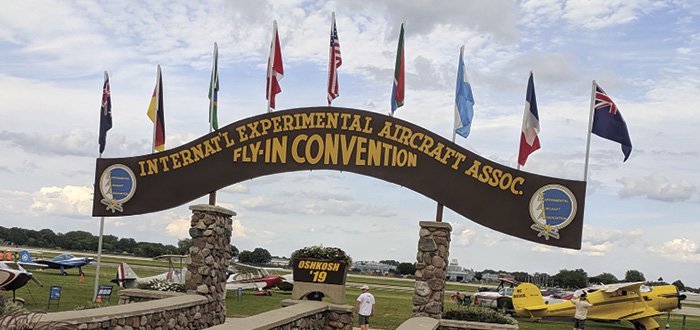
Once again, the Experimental Aircraft Association in July pulled off another great AirVenture fly-in at its home in Oshkosh, Wis. This years event had a little of everything, including torrential rain the Friday evening before Mondays opening day, nighttime air shows and lots of airplanes of every shape, size and purpose. Perhaps because the pre-show rain knocked everyone off-kilter-followed by mid-week heat-the overall event seemed to need more cowbell, but it definitely was worthwhile checking out all the new stuff and checking in with long-time friends.

Read More »

IFR Route Changes

Sitting around and talking with pilot friends, you hear nonstop talk about aircraft and equipment. Eventually, someone always brings up ATC in conversation. Pilots argue among themselves more intensely than Socrates debating Plato. One question that new and even veteran pilots bring up is why, when they file an IFR flight plan, that their clearance is usually never as filed but includes a route change of some sort.

Read More »

Catching Up

By the time you read this, Ill be getting my Debonair out of its annual inspection. Its been a lengthy one, in part because of some items I had deferred from previous inspections and in part because the airplane was new to the shop doing the work. Basically, I decided it was time to catch up on a few wear-and-tear items that pop up with any kind of machine, from a Roomba vacuum cleaner to a personal airplane.

Read More »

Behind The Curve

The only time Ive performed what I consider to have been a for-real high-altitude takeoff, it went fine. I was at Albuquerque, N.M.s Double Eagle II airport, elevation some 5800 feet. It wasnt the middle of summer, but it was a warm, sunny fall afternoon. I dont recall which runway I used, but it offered more than enough length for my Debonair, which carried only me, some gear and full fuel. As Id been trained, I leaned the engine before the takeoff and let the airplane fly itself off the runway. I handled it gently until gaining enough airspeed to establish a proper climb and I had some altitude.

Read More »
Pilot in aircraft
Sign-up for newsletters & special offers!

Get the latest stories & special offers delivered directly to your inbox.

SUBSCRIBE