













Register

Backcountry Culture

I appreciate David Jack Kennys take on the value of keeping up with performance and ground-reference maneuvers after the checkride (Maneuvers, September 2018). Ive found that they definitely help me to build confidence when Ive been out of the left seat for a while, and can quickly restore the feel of the airplane. The same is true when confronting an unfamiliar type or when assessing skills of a new pilot-acquaintance.

Gemini Sparkle

Key Takeaways:

  • Adopt effective communication techniques from backcountry flying, such as active listening to ATC and engaging with fellow pilots through FBOs, online forums, and aviation events, even in busier airspace.
  • Maintain pilot proficiency by regularly practicing performance and ground-reference maneuvers post-checkride, using ACS documents for self-assessment, and scheduling flights with an instructor for validation.
  • Improve IFR flight planning by thoroughly anticipating destination approaches based on weather and available tools like ADS-B In, and communicating your desired approach to air traffic control early.
See a mistake? Contact us.

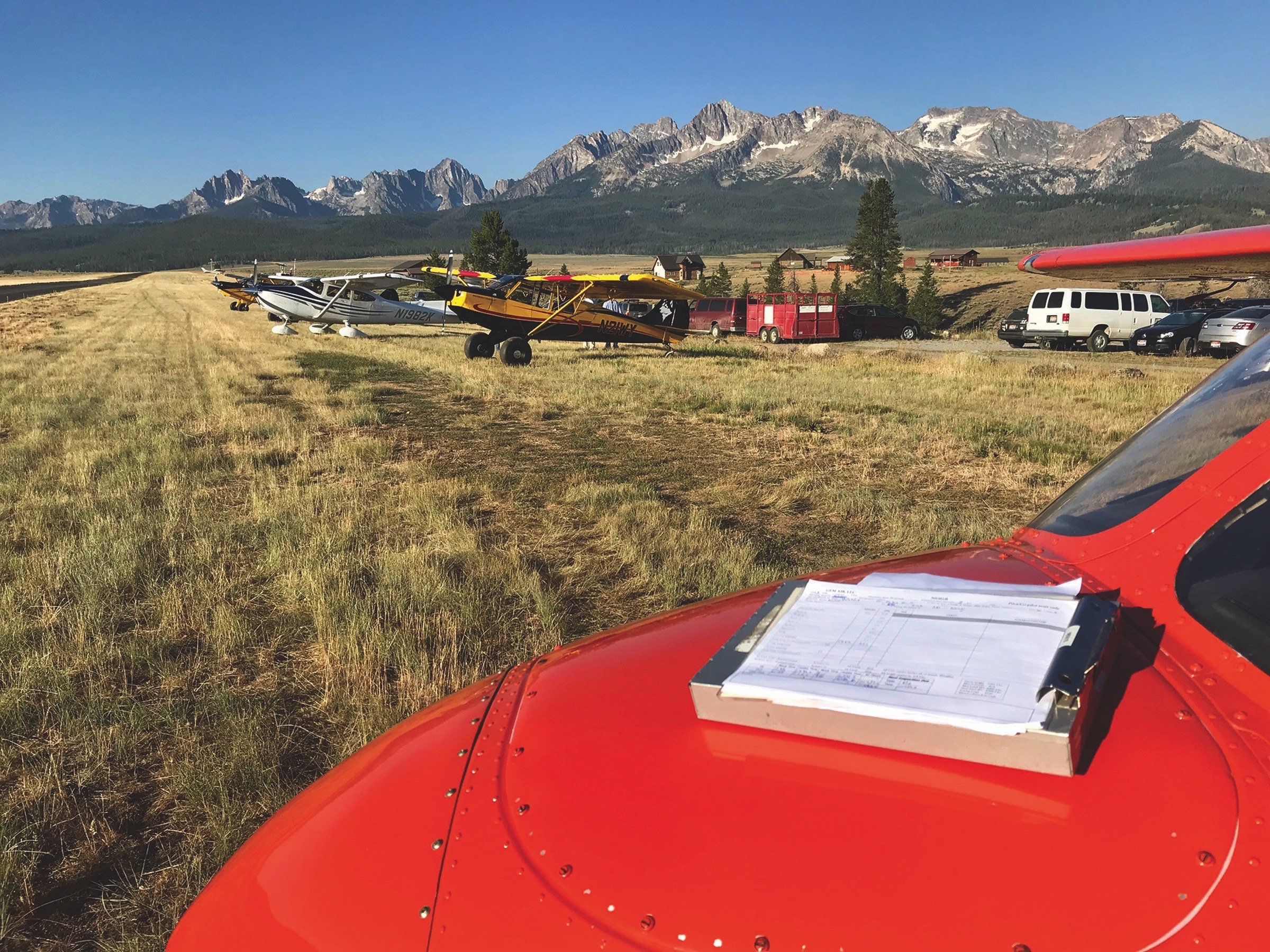
Thanks for Mike Hart’s article on all the goings-on in the backcountry flying environment (“Backcountry Safety Culture,” September 2018). I knew pilots engaged in flying those areas were a tight-knit group but I had no idea how organized their culture seems to be, and how important active communication is to reliable flight operations in rural, mountainous areas.

How can pilots flying over more-forgiving terrain and in busier airspace adopt some of these techniques?


Ready to Sell Your Aircraft?

List your airplane on AircraftForSale.com and reach qualified buyers.

List Your Aircraft
AircraftForSale Logo | FLYING Logo
Pilot in aircraft
Sign-up for newsletters & special offers!

Get the latest stories & special offers delivered directly to your inbox.

SUBSCRIBE