













Register

Separation Anxiety

If there were some way I could make a series of trips back in time to change things, one of the stops on my itinerary would be to somehow infiltrate the small cadre of early pilots and airplane designers to convince them to use a word other than stall to describe what happens when a wing exceeds its critical angle of attack. The word obviously has numerous other applications, and using it for this purpose has confounded student pilots and television news anchors ever since. That said, Im not sure what should replace it, and remain open to suggestions.

Gemini Sparkle

Key Takeaways:

  • The term "stall" is problematic, and pilots' misunderstanding of lift and critical angle of attack (AoA) is a significant factor in Loss of Control In-flight (LOC-I) accidents.
  • The concept of a single "stall speed" is misleading, as a wing can stall at various airspeeds depending on factors like G-loading and bank angle, which increase the AoA.
  • Maneuvering, especially aggressive turns or banks, increases the wing's AoA and load factor, bringing it closer to the critical AoA and the risk of flow separation and spin entries.
  • Direct Angle of Attack (AoA) indicators are recommended as a more reliable tool for preventing stalls and maintaining control than relying on indicated airspeed or traditional stall warnings alone.
See a mistake? Contact us.

If there were some way I could make a series of trips back in time to change things, one of the stops on my itinerary would be to somehow infiltrate the small cadre of early pilots and airplane designers to convince them to use a word other than “stall” to describe what happens when a wing exceeds its critical angle of attack. The word obviously has numerous other applications, and using it for this purpose has confounded student pilots and television news anchors ever since. That said, I’m not sure what should replace it, and remain open to suggestions.

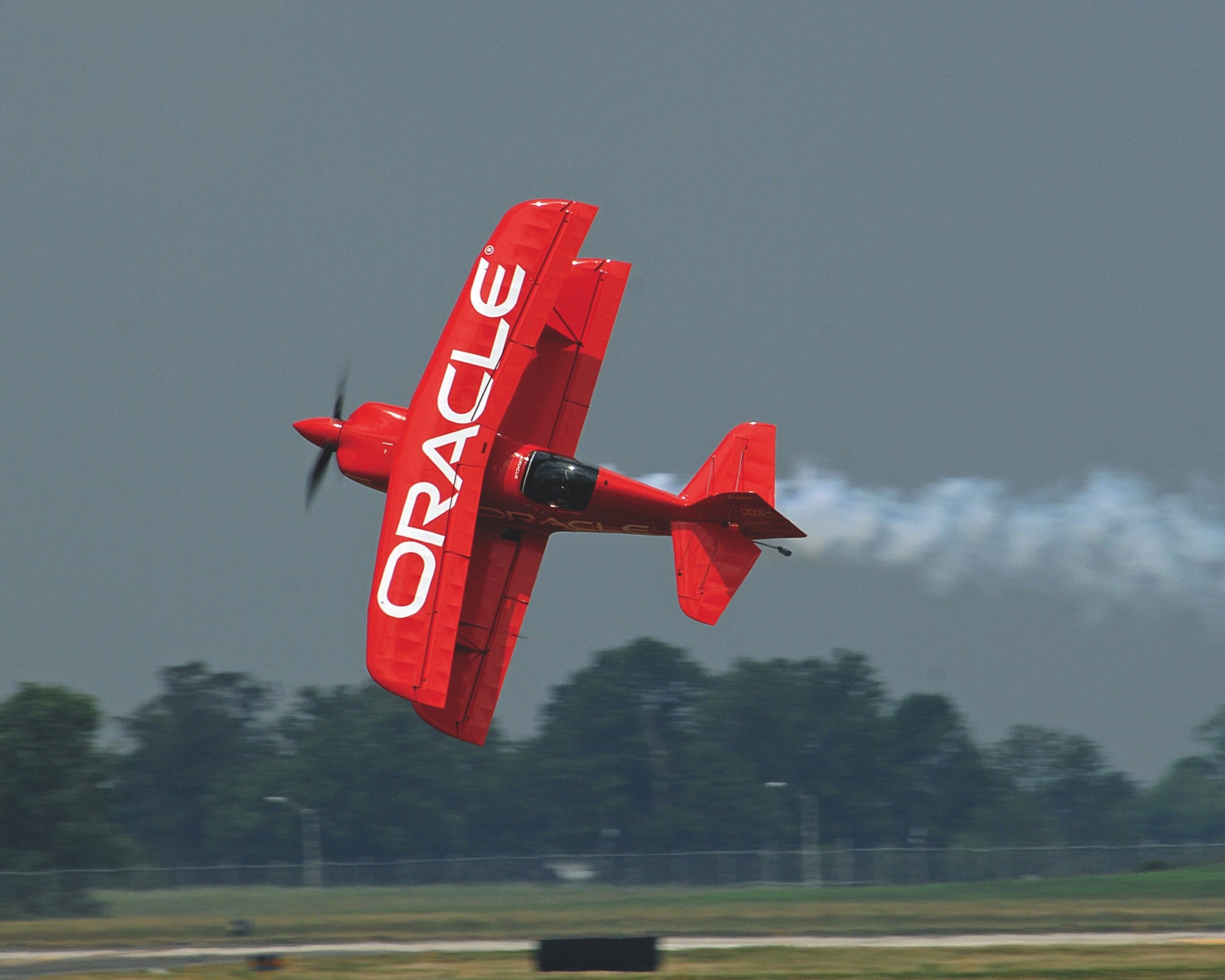
After all, what single word, if any, concisely describes what happens when air flows over an airfoil at low angles of attack but then separates and stops flowing as that angle of attack exceeds a specific value? How to explain that aerobatic and inverted flight depend on excess power and brute force as much as they do training and practice? That there’s no magic geometry exempting the wing from its behavior at high angles of attack? Why is any of this a concern to us?


Ready to Sell Your Aircraft?

List your airplane on AircraftForSale.com and reach qualified buyers.

List Your Aircraft
AircraftForSale Logo | FLYING Logo
Pilot in aircraft
Sign-up for newsletters & special offers!

Get the latest stories & special offers delivered directly to your inbox.

SUBSCRIBE