













Register

Whats Age Got To Do With It?

The FAAs BasicMed alternative to a traditional medical certificate is an attractive option for many pilots, especially those of us who are now senior citizens. However, we should recognize that medical issues are not the only factors affecting our ability to fly as we get older. Even in the absence of pathology, age alters our cognitive processes: how we recognize and interpret situations, decide on courses of actions, manage our workload, remember crucial information and skillfully execute our plans. We may joke about our senior moments, but many of us wonder if our ability to continue flying skillfully and safely is being undermined.

Gemini Sparkle

Key Takeaways:

  • Beyond physical health, age-related decline in critical cognitive functions (executive processes like attention, memory, and problem-solving) significantly impacts a pilot's ability to fly safely, contributing to an increased risk of accidents among older pilots.
  • While executive functions erode with age, highly experienced pilots benefit from resilient automatic processing and a broader base of knowledge and skills, which can compensate for some cognitive deficits and aid in quick decision-making in familiar situations.
  • Older pilots can proactively mitigate cognitive decline and maintain flying proficiency by prioritizing physical exercise, healthy habits, systematic flight procedures (e.g., checklists), continuous practice, regular instructor-led training beyond minimum requirements, and self-evaluation.
See a mistake? Contact us.

The FAA’s BasicMed alternative to a traditional medical certificate is an attractive option for many pilots, especially those of us who are now senior citizens. However, we should recognize that medical issues are not the only factors affecting our ability to fly as we get older. Even in the absence of pathology, age alters our cognitive processes: how we recognize and interpret situations, decide on courses of actions, manage our workload, remember crucial information and skillfully execute our plans. We may joke about our “senior moments,” but many of us wonder if our ability to continue flying skillfully and safely is being undermined.

Indeed, several studies have reported increased incidence of accidents among older pilots. Fortunately, there is research literature on the cognitive effects of aging, and a small subset of it addresses the effects on skills needed by pilots. Accordingly, what follows is a non-technical overview of the research literature, with space only for highlights. Notably, I will not address changes in vision and hearing, which are readily measured and are less likely to go unnoticed than subtle changes in cognition. The findings may be sobering for many, but also contain some good news for those of us who want to continue flying as long as possible.


Ready to Sell Your Aircraft?

List your airplane on AircraftForSale.com and reach qualified buyers.

List Your Aircraft
AircraftForSale Logo | FLYING Logo
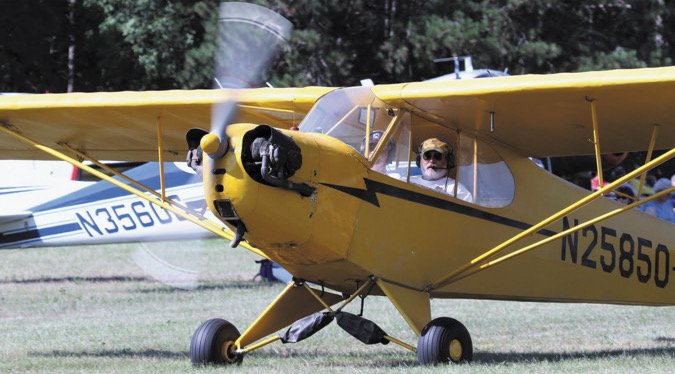
Pilot in aircraft
Sign-up for newsletters & special offers!

Get the latest stories & special offers delivered directly to your inbox.

SUBSCRIBE