











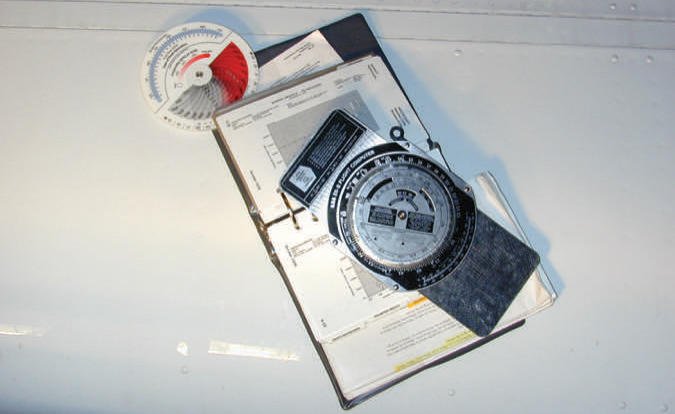


It would be nice if economics didn’t force a lot of our flight training into a laser-like focus on getting through the written exam or checkride, and instead encouraged pilots to soak up what we might call extra-curricular aeronautical knowledge along the way. Some of things that can make our flying smarter and less risky just aren’t on the test. Learning them comes through experience, from a mentor or, if you are a really lucky, a seasoned, lifetime instructor with the time and motivation to go beyond the minimum requirements.
And there are a lot of old wives’ tales out there that either research or technology have disproven, or made obsolete. Never run a conventional aircraft piston engine lean of peak EGT is an example (you easily can if you do it correctly), or that pilots only need to use supplemental oxygen when the FARs require (it’s beneficial at night and at lower altitudes on long flights). Debunking things like that are important, but it’s just as important to develop a set of what might be called best practices, procedures shown by research and experience to produce optimal results. Let’s explore some examples.

