Features

Turn Fundamentals

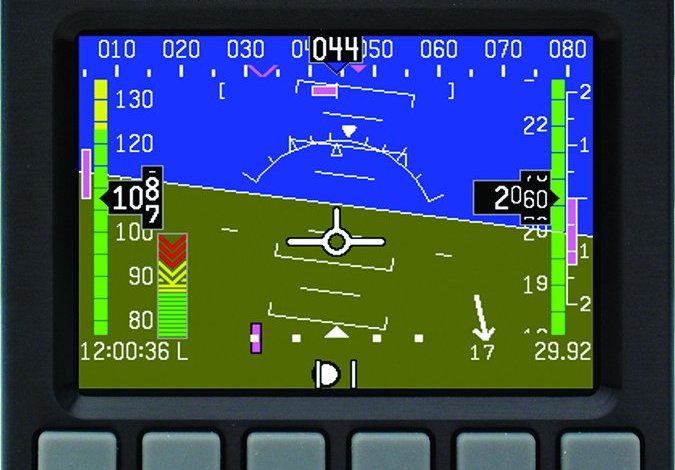
Arguably the most challenging of all the Wright Brothers multiple successes involved mastering roll control. Pitch and yaw came relatively easy, but absent the ability to command a roll for a coordinated turn, aviation could go nowhere-at least nowhere near the intended heading. Their solution-wing warping-allowed for affirmative roll control and completed their mastery over all three axes.
Read More »

Run It Dry?

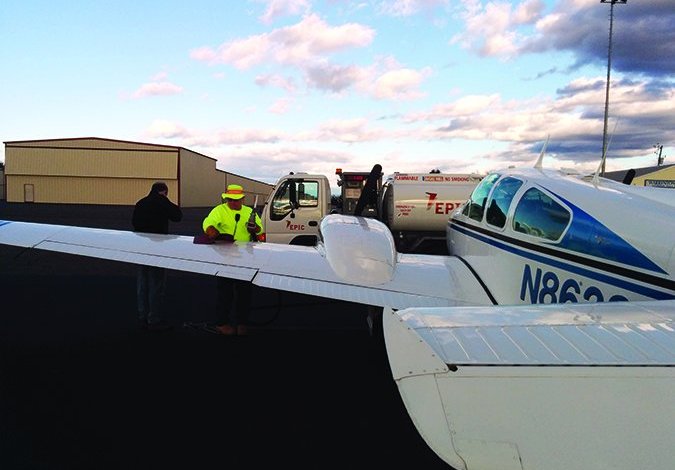
Way back in the mid-1980s, when I purchased a 1946 Cessna 120-the same week I earned my private pilot certificate-I received my taildragger checkout from Mr. W.E. Dierking in Higginsville, Mo. Dirk had taught U.S. Navy cadets in Waco biplanes during WWII, and he sure taught me a lot about flying! One of the techniques Dirk suggested was to take off with the fuel selector on the left tank (there was no both position in the 46 Cessna), fly for an hour, and write down the time aloft.

Read More »

FAA Deregulation Picks Up Speed

If the U.S. general aviation industry has its way, a new FAA framework for certificating aircraft and components-including the ways new equipment is installed on in-service aircraft-would be in place by the end of the year. Thats one of the goals expressed in a joint statement supporting a proposed rewrite of the agencys Part 23 rules, those under which small airplanes are certificated and equipment for them is approved.

Read More »

Inoperative Equipment

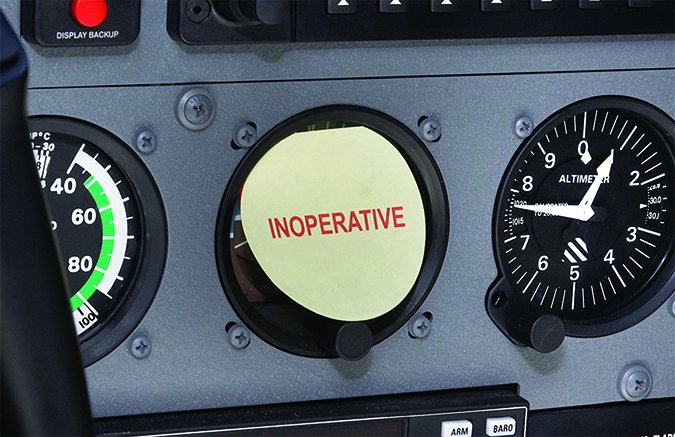
The overall reason we conduct a preflight inspection is to verify everything on the airplane is both present and working. We check fluids, tire and strut inflation, look for damage and wiggle things like ailerons and rudders to ensure theyre working as they should. Once were satisfied the airplane is ready to fly, we mount up and launch. But what if we find a piece of equipment thats not working? Can we still fly?

Read More »

IFR In The Mountains

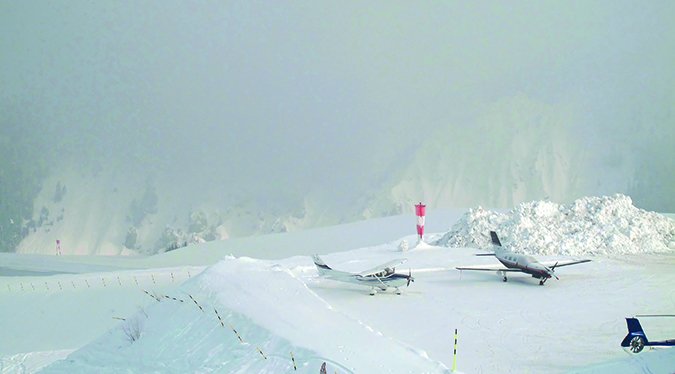
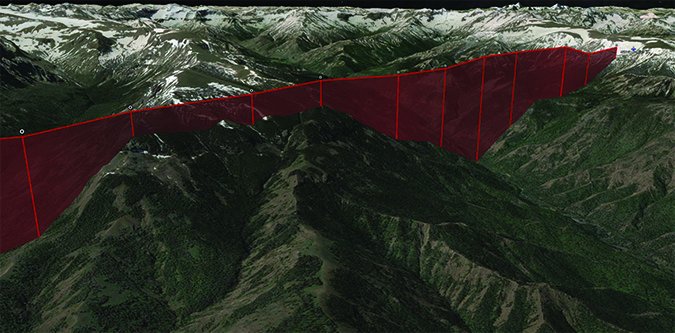
A cardinal rule of mountain flying is to always be mindful of places where the terrain climbs faster than the airplane, and then avoid them. This isnt exclusively a backcountry issue-you dont have to fly in the Western U.S. or in the mountains to get bitten-there are plenty of airports on the U.S. East Coast where we can run into things if we cant climb well enough or if we stray off the published route, whether IFR or VFR.

Read More »

Finding The Slot

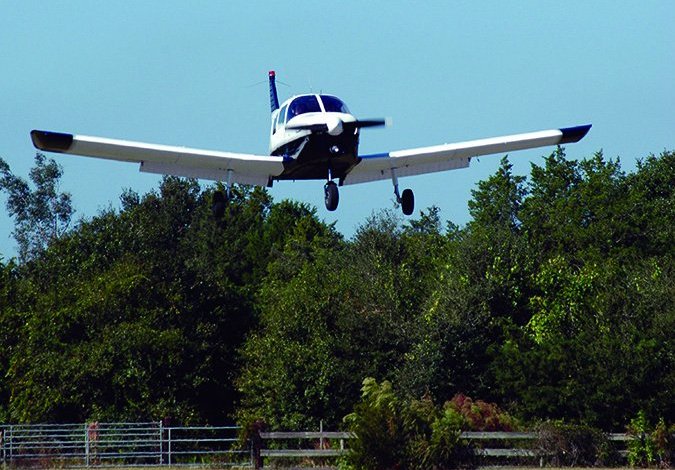
If you were investigating a runway overrun mishap-to discover precisely what led to the accident for the sole purpose of helping other pilots avoid similar events in the future-where would you focus your attention? What might be the deciding factor? What one thing would have broken the accident chain and prevented the crash?

Read More »

FSFs Recommended Elements Of a Stabilized Approach

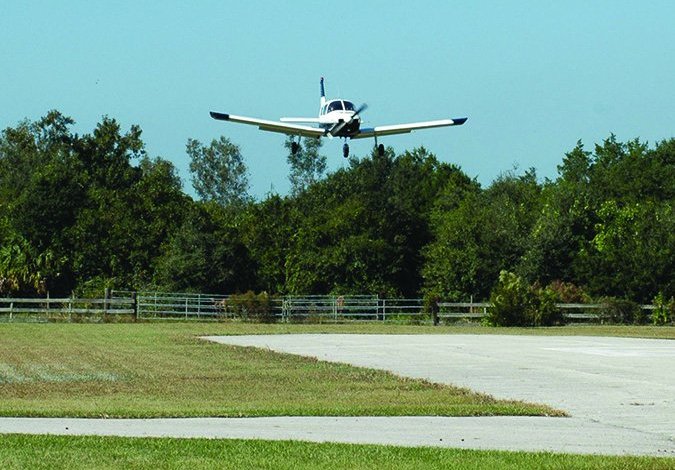
All flights must be stabilized by 1000 feet above airport elevation in instrument meteorological conditions (IMC) and by 500 feet above airport elevation in visual meteorological conditions (VMC). An approach is stabilized when all of the following criteria are met: 1. The aircraft is on the correct flight path; [IMGCAP(1)] 2. Only small changes in heading/pitch are required to maintain the correct flight path; 3. The aircraft speed is not more than VREF + 20 knots indicated airspeed and…

Read More »

To File, Or Not To File

At the beginning of the first leg, one of my pilot-rated passengers expressed surprise that I went to the trouble to plan and file IFR, especially because the weather was so good. But by the end of the day, he seemed convinced I made the right decision to file IFR, not because the weather caved but because it simplified dealing with relatively complex airspace and lots of VFR traffic.

Read More »

Fly-In Safety Highlighted

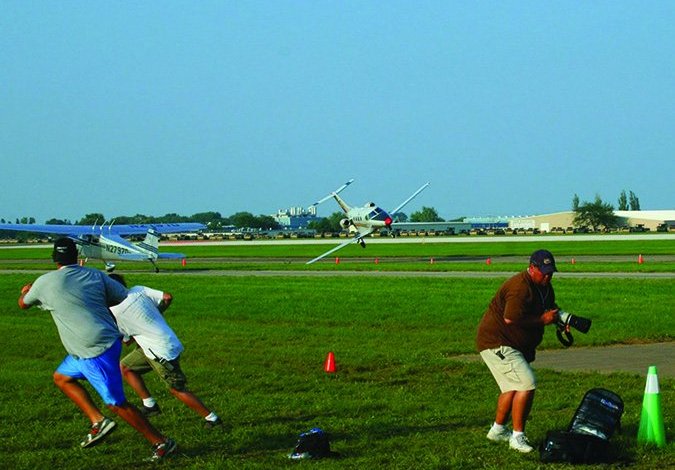
As the summer fly-in season kicked off in the U.S., the NTSB published the latest in its ongoing series of Safety Alerts, with discussions and tips for pilots arriving at fly-in events. Focused primarily on the Sun n Fun and the Experimental Aircraft Associations (EAAs) AirVenture events but applicable to many others, the Boards new advisory (SA-053) emphasizes the unique challenges arrivals at heavily attended fly-ins can present to pilots of all experience levels but especially those who arent prepared.

Read More »

Classic CFIT

According to the FAAs advisory circular on the subject, controlled flight into terrain (CFIT) occurs when an airworthy aircraft is flown, under the control of a qualified pilot, into terrain (water or obstacles) with inadequate awareness on the part of the pilot of the impending collision.

Read More »
Pilot in aircraft
Sign-up for newsletters & special offers!

Get the latest stories & special offers delivered directly to your inbox.

SUBSCRIBE