Features

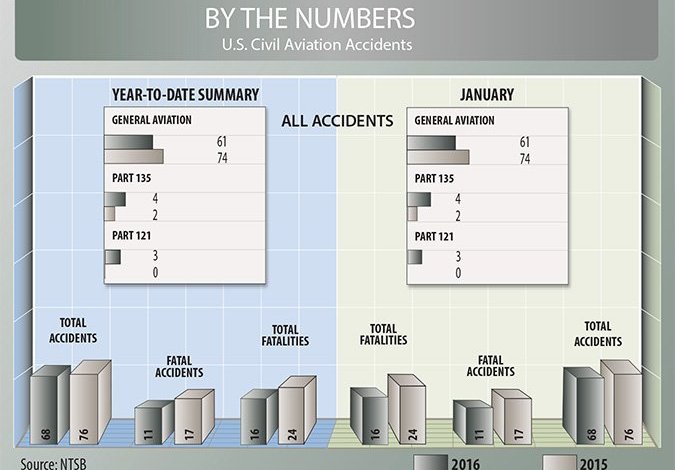
NTSB Reports: May 2016

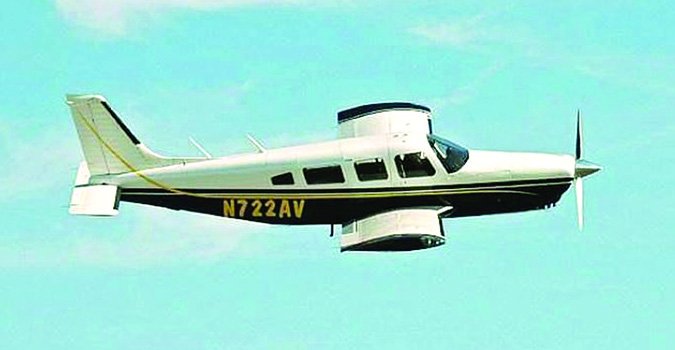
At 2305 Eastern time, the airplane was substantially damaged during a ditching in the Setauket Harbor. The flight instructor, student and one passenger received minor injuries. One passenger is missing and presumed to be fatally injured at this writing. Night visual conditions prevailed. While cruising at around 2000 feet msl, the engine sputtered. Turning on the electric fuel pump and switching the fuel selector to the left fuel tank stopped the sputtering. The flight chose to divert to an airport 10 nm south.
Read More »

High-Risk Flights

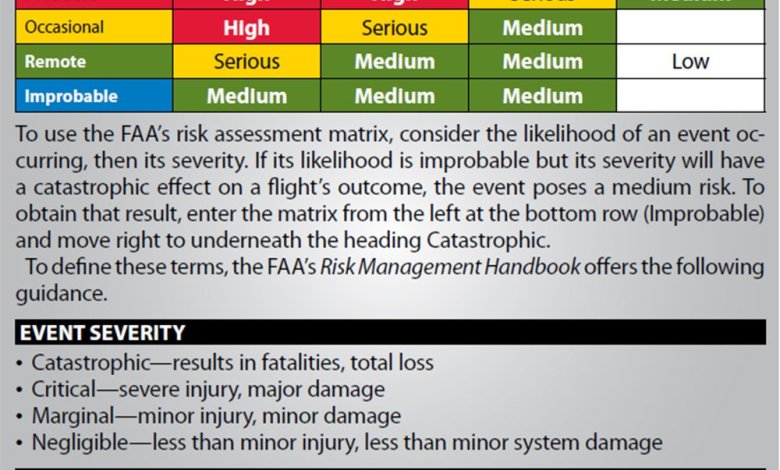
General aviation pilots all too often routinely undertake flights in the face of obvious or hidden hazards. In too many cases, such pilots come to grief because they ignored obvious risks or failed to identify, assess and mitigate subtle risks. The key to addressing these hazards is to do a proper risk assessment, mitigate these risks and then decide whether youre ready to accept the remaining risk.

Read More »

Pattern Ops

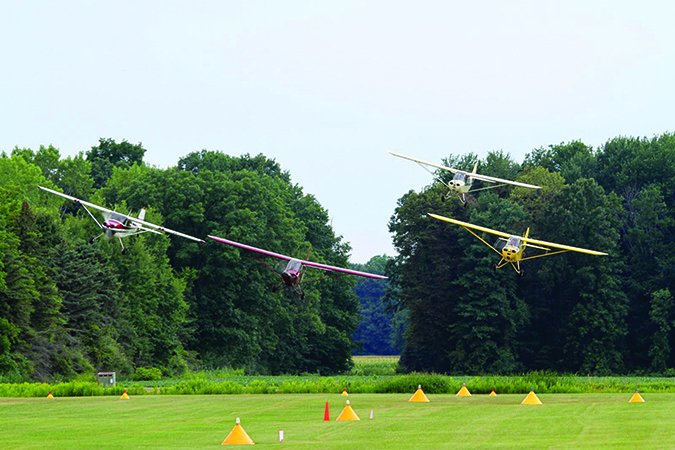
Spend enough time at a non-towered airport, as I have, and youll eventually see every traffic-pattern variation you thought possible. Traffic patterns at towered facilities, of course, are subject to ATC management. The controllers job is to sequence and separate traffic on the runway(s). In the absence of local controllers, non-towered airports use the traffic-pattern procedures first drummed into primary students during landing practice.

Read More »

Avionics Gremlins

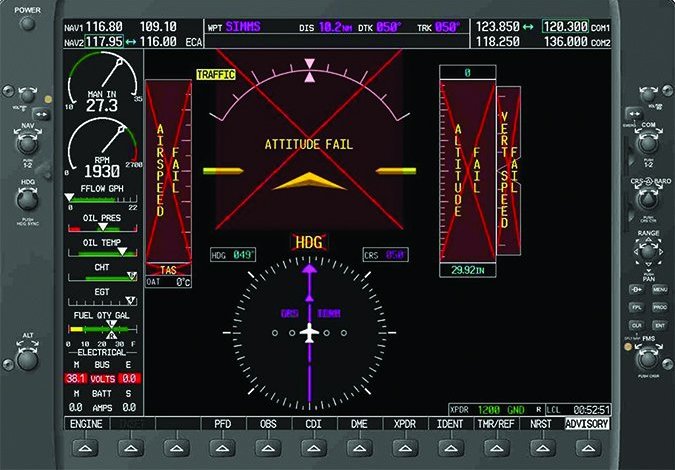
You may think your avionics stack is not a safety-critical system because it often is perfectly legal to fly without it. But once you turn on a radio, it becomes an integral part of your aeronautical decision making. Most of the time, thankfully, everything works. But stuff does happen, and things do break or dont work as they should. Many failures can be caused by interactions between the various pieces of equipment installed in your panel, or by devices you and your passengers brought aboard.

Read More »

Running The Scud

Getting under a cloud layer and proceeding visually to a destination has been a temptation for pilots since the beginning. Airmail pilots, cruising at maybe 80 mph, had plenty of time to see and avoid obstacles down really low, but they still crashed airplanes. There were a lot fewer obstacles back then, and what were likely to be flying these days is a lot faster.

Read More »

Pitch Trim Principles

An airplane will seek the indicated airspeed for which it is trimmed. We might call this the principle of trim, and it is the basis for pitch stability and airplane control. If you understand this basis, you can predict an airplanes response to just about any change in power, control input, autopilot command and even wind shear.

Read More »

Airman Certification Standards On Deck

The FAA recently announced the new ACS guidance was ready for prime time and will be implemented this June for the private pilot-airplane and instrument rating-airplane practical tests. According to AOPA, the new ACS is designed to make the certification and testing process more relevant and meaningful to modern pilots.

Read More »

ADS-B Out: 978 UAT Or 1090ES?

You have less than four years until the January 1, 2020, mandate to have a working ADS-B Out system installed if you want regular access to airspace where a Mode C transponder currently is required. Many aircraft owners already have upgraded; many more have yet to bite the bullet, perhaps because theyre still waiting for prices to come down and capabilities to go up.

Read More »

Precautionary Landings

Post-accident investigation indicated the warm front started moving faster and the weather deteriorated sooner than forecast. The airplanes radar target went directly toward the destination for about 110 miles, and descended to only about 800 feet agl. The track then turned into the afternoon sun and haze toward an airport only seven miles away. About two minutes later, the airplane turned left and descended below radar coverage.

Read More »

The Cost of Procedural Noncompliance

The safety consequences associated with procedural noncompliance-failing to correctly perform normal checklists-have become hot button issues within the business aviation community and the NTSB. All general aviation pilots should heed the warnings raised.

Read More »
Pilot in aircraft
Sign-up for newsletters & special offers!

Get the latest stories & special offers delivered directly to your inbox.

SUBSCRIBE