Features

Reconstructing The Data

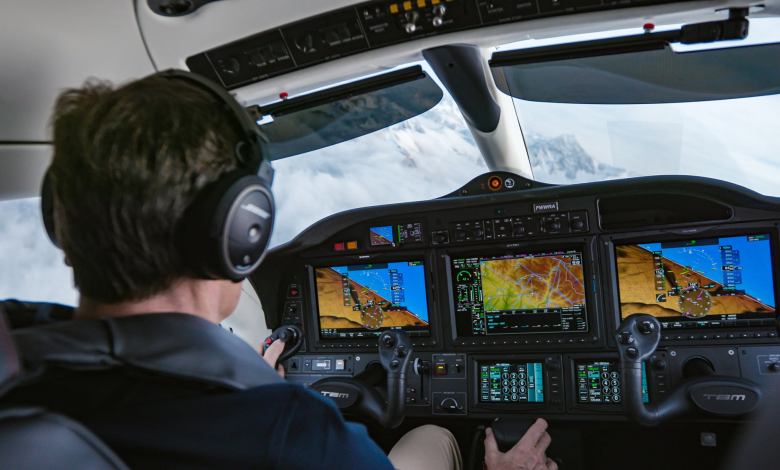
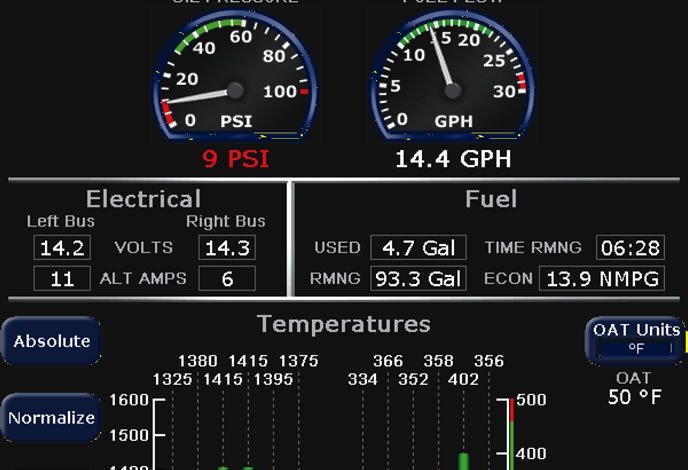
According to the NTSB, Data downloaded from the primary and multifunction cockpit displays indicate that the engine began steadily losing oil pressure during the airplanes initial climb until it leveled off at a cruise altitude of 5000 feet msl. Data suggest that, at that time, the pilot leaned the fuel mixture for cruise flight. Although the pilot could have detected the decreasing oil pressure at that time, [s]he did not report a loss of fuel pressure and engine power to the air traffic controller until about six minutes later.

Read More »

Protected Airspace For Circling Approaches

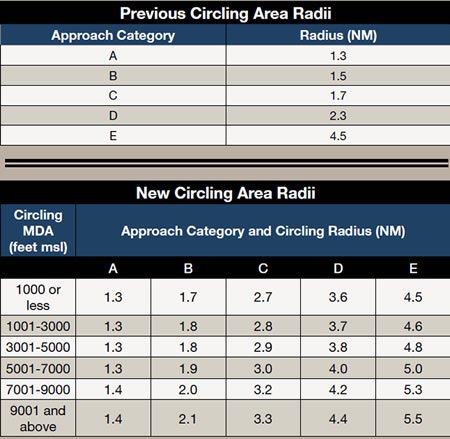
As noted in this articles main text, the FAA recently revised its criteria describing how much airspace is required to perform the circling maneuver. The new criteria consider the altitude at which the aircraft is circling. The higher the altitude, the greater the true airspeed when circling at the same indicated airspeed, and thus the greater the turn radius, which makes expanding the protected airspace desirable. The downside? Many minimum descent altitudes for circling approaches will be going up. The two tables below compare the previous criteria to the new.

Read More »

Is Stability All That Important For Instrument Work?

When considering an airplanes stability, we need to distinguish between static and dynamic stability. The FAAs Pilots Handbook of Aeronautical Knowledge, FAA-H-8083-25A, says the static version relates to the aircrafts initial response when disturbed from a given AoA, slip, or bank. It comes in three flavors, each of which are depicted at right:

Read More »

Pilot And CFI Profiles

As I analyzed those 55 reports, built my spreadsheets, and did my statistical calculations, I discovered I needed to categorically reject my original supposition as to what I would find. It turns out the mean age of CFIs involved in a fatal accident is 44.4 years. Not even close to my hypothesis of 23.

Read More »

Gadget Flight Rules

Carry a back-up for critical functions: either a second gadget configured like your primary one or-the horror!-actual paper. Print out the terminal procedures you expect to need. Include a copy of your flight plan. Write down your clearance, and any amendments. Maybe even a sectional chart?

Read More »

Pseudo Black Box Functionality

iPads, tablets and various handheld and panel-mounted GPS gadgets are frequently used in NTSB reports for their forensic data. Investigators often can reconstruct flight tracks or view the page the pilot was looking at when the crash occurred. They also can reconstruct other user history, including how recently apps were open, if databases were updated, what weather information was available, etc. In some ways, the NTSB can get much richer data sets about GA accidents than they get from an airliners black boxes.

Read More »

GFR 3.0

Todays market-leading EFB software offers a much richer feature set than was available even two years ago. One of the driving factors is improved, faster hardware from the usual suspects in smartphones and tablets-Moores Law in action. Another is ADS-B INs free traffic and weather data, which has helped drive the EFB-app market. A third is increased availability and use of electronic attitude and heading reference systems (AHRS), which leverage the miniaturization and proliferation of related sensors developed for the commercial semi-conductor market. These are the same sensors that have revolutionized the drone or unmanned aerial vehicle market, a whole nuther topic. And developers keep coming up with innovative software.

Read More »

Foreign Object Debris

Alone, I stood in the cordoned area looking at the remains of an F-16s left main gear wheel rim. A whirlwind Safety Investigation Board notice two days before placed me in this hangar with a table full of junk; a damaged F-16 sat behind me on jacks. Quietly, I contemplated the pieces, methodically shifting broken metal on a table until I had a deformed, but complete, F-16 main gear rim. Within an hours time, Id arranged the tire bits around the junk rim. Three days ago these were in airworthy condition.

Read More »

Anatomy Of Failure

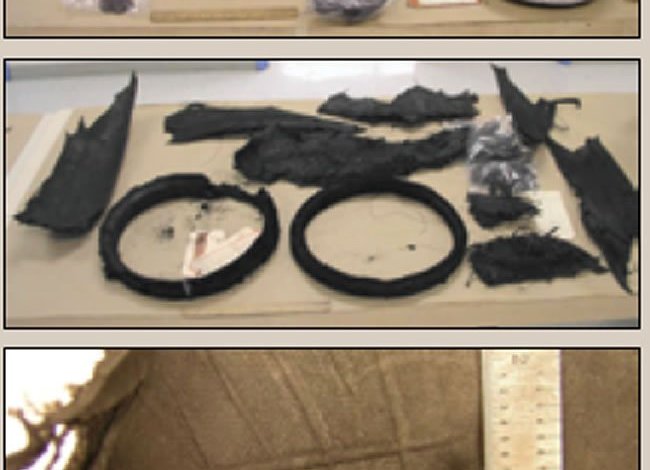
These three photographs document the damage to the F-16s wheel (top) and tire (middle). Most of the wheel damage occurred when it struck a slightly elevated lip in the runway pavement at around 100 knots, well after the tire had failed. Remains of the tire include its circular bead structure and what was found of its tread and sidewalls.

Read More »

Wind Shear Is Another Matter Altogether

On August 2, 1985, Delta Air Lines Flight 191, a Lockheed L-1011, crashed while approaching the Dallas/Fort Worth International Airport, Texas. While passing through the rain shaft beneath a thunderstorm, Flight 191 entered a microburst, which the crew was unable to traverse successfully. Of the 163 aboard, 134 passengers and crew died; 26 passengers and three cabin attendants survived.

Read More »
Pilot in aircraft
Sign-up for newsletters & special offers!

Get the latest stories & special offers delivered directly to your inbox.

SUBSCRIBE