Features

In-Cockpit Wireless

That brand-new, touch-screen GPS navigator in your panel? Its obsolete. Oh, its got the latest WAAS GPS receiver and more processing power than its forebears, and itll tackle any navigation task from an ILS to a holding pattern to a complicated departure procedure, But its display likely is a generation or two removed from what anyone can buy today in the form of a smartphone or tablet computer.
Read More »

An Ounce Of Prevention

While this article targets what to do post-crunch, it cant hurt to think a little about how to avoid having to worry about the whole issue. As briefly and bluntly as possible, if you want to avoid an accident the data clearly show the single most effective way to do so is to take regular recurrent training. Take an hour of dual every six months-it will cut your risk of damaging an airplane substantially. Better still, get involved with and stay current in the FAA WINGS program. The accident rate for pilots who do so is so close to zero; its astonishing.

Read More »

Is This Even Reportable?

If what just happened meets certain NTSB definitions, theyll want immediate notification. And even if your event wasnt an accident, they still may request you submit a report by completing NTSB Form 6120.1, Pilot/Operator Aircraft Accident/Incident Report. Its always a good idea to consult with counsel before filing any such form, and you have up to 10 days. But theres a good chance what happened doesnt require notification. How can you tell? The NTSB rules do a pretty good job of laying it out.

Read More »

Aftermath

The bumper sticker tells us a bad day flying is better than a good day at the office. I think most pilots would agree, however, there can be bad days flying and there can be really bad days flying. If the latter involves bending an airplane, there are things to do after the airplane stops and the dust cloud departs. There also are things you can to help prevent the event in the first place. Once something happens, however, your priorities need to change.

Read More »

Abort-Analysis Checklist

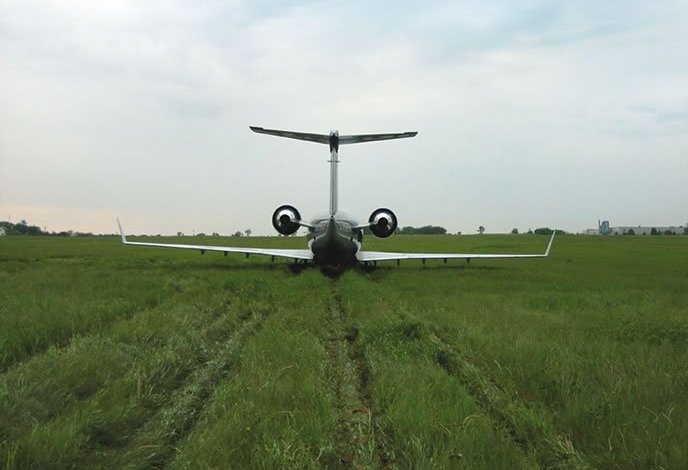
Its up to the airplane to demonstrate to us its capable of performing on takeoff. And its up to us to ensure its doing what its supposed to do and, if not, to abort the takeoff and live to fly another time. At most of the airports from which we fly, even a runway overrun, like the one pictured above, results in no or minimal damage.

Read More »

Killer Factors On Instrument Takeoffs

An instrument takeoff is just like any other takeoff, except when it isnt. The self-imposed pressures of a clearance void time, a distant appointment or passenger expectations can mean well ignore or minimize the importance of ensuring the airplane is ready, even when we need to the most. Some common problems are discussed below.

Read More »

Fly Safe

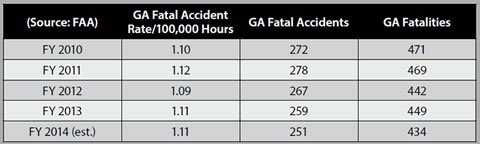
On June 6, at AOPAs Homecoming Fly-In, the association and the FAA formally kicked off a new program focused on improving general aviation safety. Dubbed Fly Safe, the FAAs campaign will be highlighting GA accident causes and solutions in partnership with AOPA and other industry organizations. The agency says preventing GA fatalities is one of its top priorities, with the goal of reducing the GA fatal accident rate by 10 percent over a 10-year period (2009-2018). Noting that loss of control (LOC)-mainly stalls-accounts for the largest number of GA accidents, the new program will start there.

Read More »

Stoppage

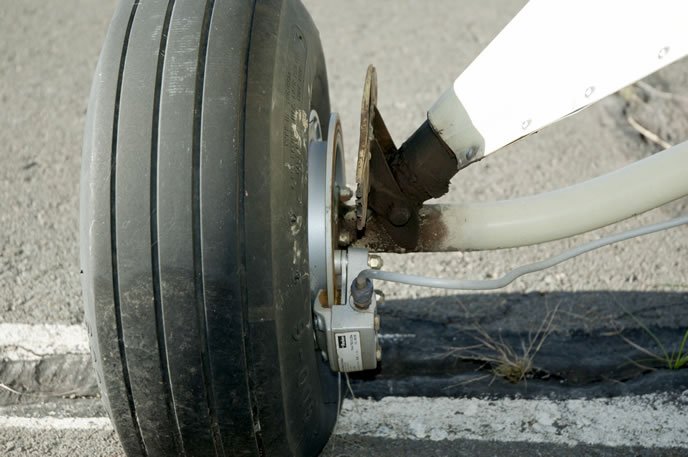
Lets face it: the brakes on typical general aviation airplanes pretty much suck. Thats what happens when you try to stop 2000-plus pounds of airplane at 70 knots with only two six-inch disc brakes that havent been serviced lately. Its going to take longer and be a bit more exciting than with the SUV parked in your hangar.

Read More »

Is Busting a Void Time A BIG Deal?

A typical IFR clearance from a non-towered airport will usually go something like this: N12345 is cleared to Podunk Airport via runway heading to 2000 then as filed. Climb and maintain 5000; expect 10,000 one-zero minutes after departure. Contact center on 123.45; squawk 1234. Time now:1620. Clearance void if not off by 1630. If not off by 1630, advise intentions by 1640. Youre released. That gives you 10 minutes to get airborne. Is that enough? What does off mean? What if it takes you 12 minutes to take off after being released? What will ATC do?

Read More »

Rotor Wash

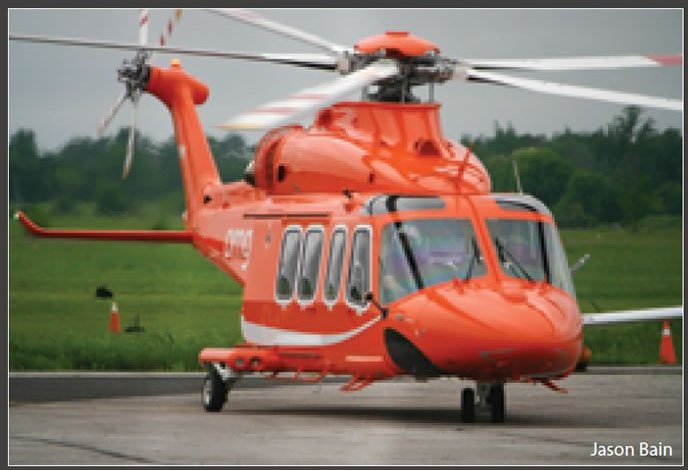
Dealing with prop wash or jet blast is relatively straightforward: It is directed behind the aircraft. Wingtip vortices are a bit more complicated, but still they are easy enough to visualize. Helicopter rotorwash can almost be seen as a hybrid blend of the two. A recent accident at a Colorado airport implicated the rotor wash from a Blackhawk helicopter in the pattern with a Cirrus. It did not end well for the Cirrus, which dragged a wing tip and cartwheeled while in the landing flare. The drift of rotor wash from the recently departed Blackhawk is suspected as a contributing factor.

Read More »
Pilot in aircraft
Sign-up for newsletters & special offers!

Get the latest stories & special offers delivered directly to your inbox.

SUBSCRIBE