Stoppage

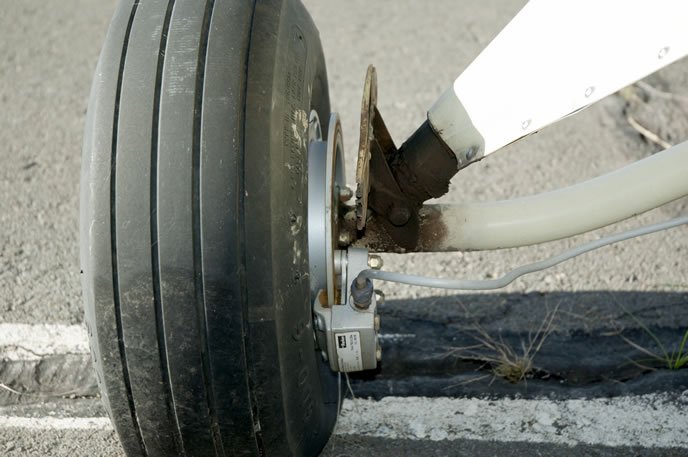
Lets face it: the brakes on typical general aviation airplanes pretty much suck. Thats what happens when you try to stop 2000-plus pounds of airplane at 70 knots with only two six-inch disc brakes that havent been serviced lately. Its going to take longer and be a bit more exciting than with the SUV parked in your hangar.

Gemini Sparkle

Key Takeaways:

  • General aviation aircraft brakes are often inefficient, necessitating that pilots understand and practice proper stopping techniques.
  • Pilots should regularly practice maximum braking procedures, such as an aborted takeoff, to determine their aircraft's stopping distance.
  • Maximizing braking power involves transferring weight to the main landing gear by maintaining a neutral pitch, then gradually applying nose-down pressure, and raising flaps, all while maintaining directional control.
See a mistake? Contact us.

Let’s face it: the brakes on typical general aviation airplanes pretty much suck. That’s what happens when you try to stop 2000-plus pounds of airplane at 70 knots with only two six-inch disc brakes that haven’t been serviced lately. It’s going to take longer and be a bit more exciting than with the SUV parked in your hangar.

If you don’t have any recent practice stopping while aborting a takeoff, give it a go some good-weather day. Bring the power up to takeoff settings, accelerate to your normal liftoff/rotation speed, then pull off all the power and apply maximum braking. Note where you stop. Taxi back and try it again to see if you can stop shorter, but don’t skid the tires. Don’t overheat the brakes, either: some airplanes may have published limitations.

The key to maximizing stopping power of our two minuscule brakes is putting as much weight on the braked wheels as possible. This means flying the airplane through the abort: Raise the flaps if they’re deployed, for example. A nose-up attitude will add additional, slight, aerodynamic drag to help slow down but also generates lift, making you light on the tires. Best to hold a neutral pitch attitude until decelerating, then smoothly and gradually transfer weight to the braked wheels. Don’t forget to maintain directional control.

Ready to Sell Your Aircraft?

List your airplane on AircraftForSale.com and reach qualified buyers.

List Your Aircraft
AircraftForSale Logo | FLYING Logo
Pilot in aircraft
Sign-up for newsletters & special offers!

Get the latest stories & special offers delivered directly to your inbox.

SUBSCRIBE