











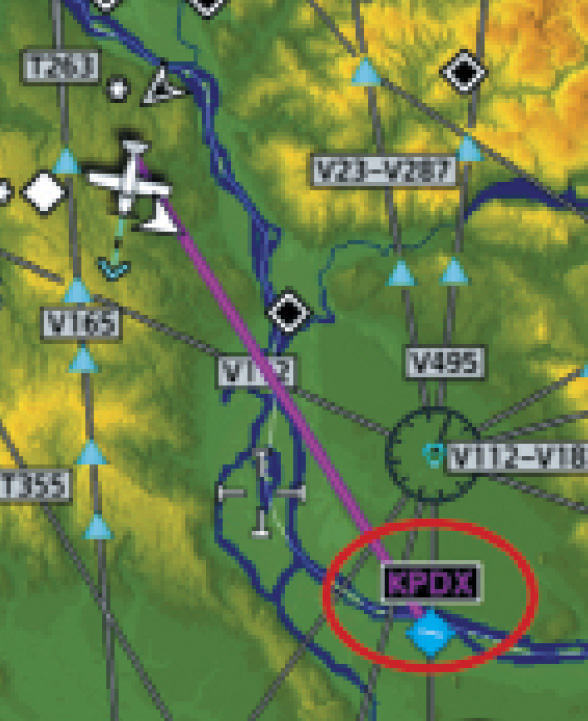


Adverse weather is one of the hazards aviators always must contend with. It could merely be a stiff, 90-degree crosswind at your destination airport, or ceilings right at minimums for the best approach. In-flight icing. Hail. Thunderstorms. From early in our training, we are taught—or should be taught—to avoid extreme weather conditions by flying around them, under them, over them or by not flying at all.
To help with our decision-making, we have near-real-time, detailed, hi-def color graphics on a tablet in the cockpit showing us where the poor conditions are. On the ground, we can simply pick up the phone and talk with Flight Service to get their opinion on your plans. There’s also the area forecast discussion. All of these resources can help us figure out why the conditions are as they are and where they’re going to be a couple of hours from now, when we get there. We also have the Mark I, Mod 1 eyeball we should be using when we’re up close and personal to hazardous weather to avoid the worst conditions. As we’ve said many times before in these pages, the best way to avoid entering a thunderstorm is to stay in visual conditions and navigate around them. Or land and wait them out. Period, full stop.

