Features

Why Smart Pilots Crash

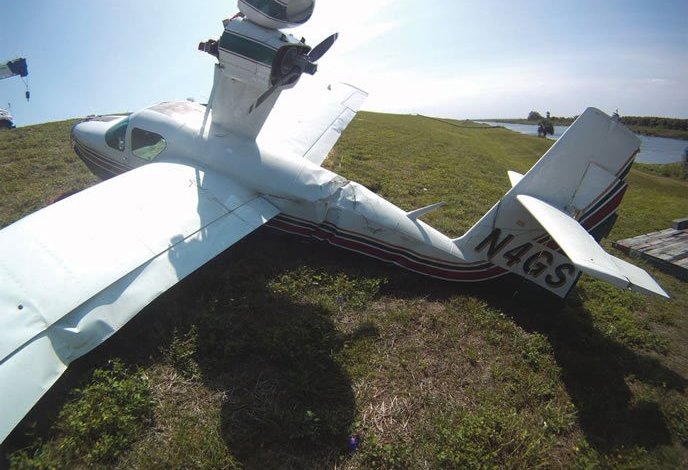
Ive noticed there is a bias, sometimes spoken aloud, that a pilot who made some sort of a mistake and had an accident was either not terribly bright, lacked basic skills or just plain didnt have the magical right stuff. As an instrument instructor, Ive certainly seen pilots with poor skills or who werent terribly bright or had lousy judgment, and some of them crashed an airplane. Ive also seen some extraordinarily good pilots who were possessed of all the right stuff imaginable, who also made mistakes and crashed.
Read More »

New Certification Standards

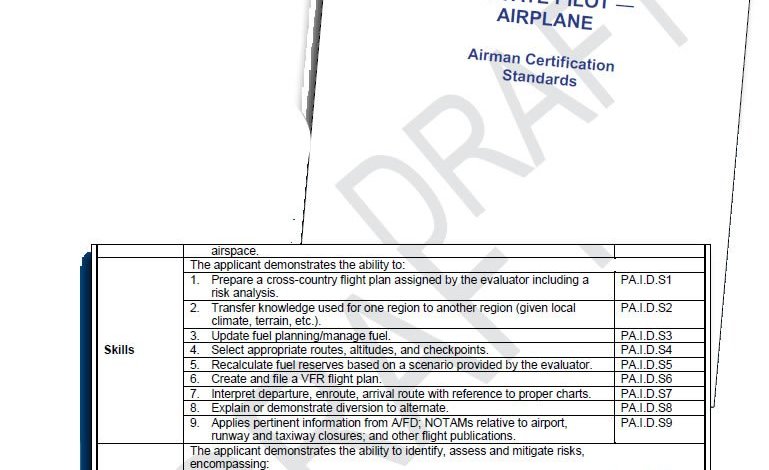
The FAA and industry have spent the last three years preparing to replace the existing practical test standards (PTS). As a result, the new airman certification standards (ACS) will go into effect in 2016 for all airman certificates and ratings. This new system can potentially improve the general aviation safety record, but only if flight instructors, designated pilot examiners and FAA inspectors are prepared to teach, test and administer the new system.

Read More »

Requiring Risk Management

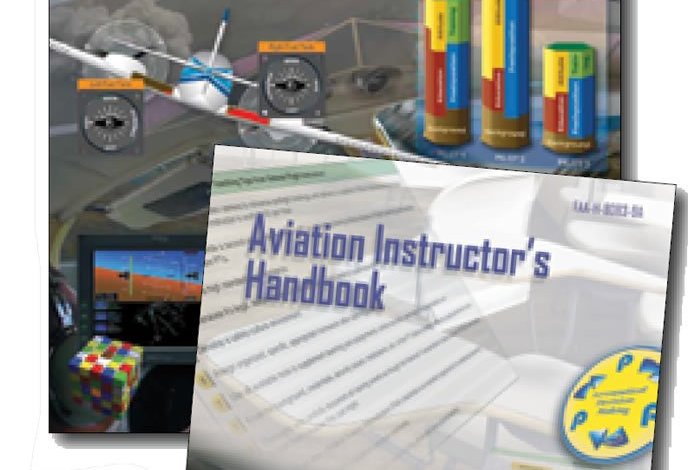
In the new private pilot ACS, Area of Operation 1, Preflight Preparation, Task D, Cross-country Flight Planning (see excerpt at right) lists skill item 3, Recalculate fuel reserves based on a scenario provided by the evaluator. This requirement is largely unchanged from the PTS system. However, under the ACS the applicant must also be prepared to demonstrate knowledge about route planning and the procedure for calculating fuel reserves.

Read More »

Of Rams And Frats

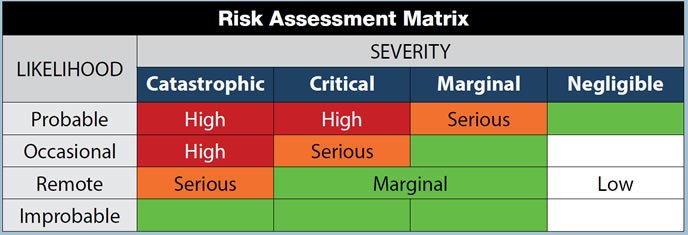
One approach to assessing risk, covered in the FAAs Risk Management Handbook, is to use a risk assessment matrix (RAM) like the one depicted at right. The matrix simplifies part of the risk assessment process, since once likelihood and severity are determined for a given risk its easier to determine when mitigation is required.

Read More »

Teaching PAVE

Flight instructors exist, at a minimum, to impart knowledge gained from experience, preferably their own. In the past, thats how risk management was taught: by telling there I was stories. Since younger, less-experienced instructors dont have the same backgrounds as their senior colleagues, risk management concepts and tools were introduced. Yet some instructors may not fully understand or implement them. Heres a primer on what students need to know.

Read More »

Acro Tyro

Just as there are different airplanes optimized for different purposes, pilots fly for different reasons. For some, its just a job, akin to driving a bus. For others, its a means of personal and business transportation. Still more fly for recreation, like sightseeing or aerobatics. Droning along in the stormy clag and hand-flying an ILS to minimums is the epitome of flying skill for some pilots. Others perhaps couldnt fly an ILS if they had to but can fly, say, a loop or an Immelman to perfection, or safely get in and out of a back-country runway. Different strokes for different folks. Fortunate pilots may combine all of these activities, and others, into their flying career.

Read More »

Fatals Higher In 2014

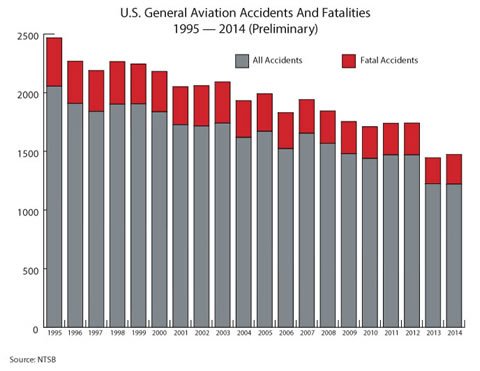
The NTSB in early August released preliminary general aviation accident statistics for 2014. Sadly, and despite major efforts at the FAA and within industry to enhance safety, the NTSBs preliminary 2014 data show an increase in fatal general aviation accidents, from 222 in 2013 to 253 in 2014. Our calculator says thats a 13.9 percent increase in fatal accidents between 2013 and 2014.

Read More »

NASAs Latest Crash Tests

If there is any one thing guaranteed to frustrate an airplane owner-there actually are several, but work with us here-its the emergency locator transmitter, or ELT. The ELT, which was mandated by Congress in the early 1970s, got off to a bad start. Relatively short deadlines meant there werent enough of the devices available to meet the mandated demand. And they failed to activate in a crash more than 75 percent of the time. When they did activate, a whopping 97 percent were false alarms, according to the Aircraft Owners and Pilots Association (AOPA), resulting from something like a hard landing.

Read More »

In Need Of Some Restraint

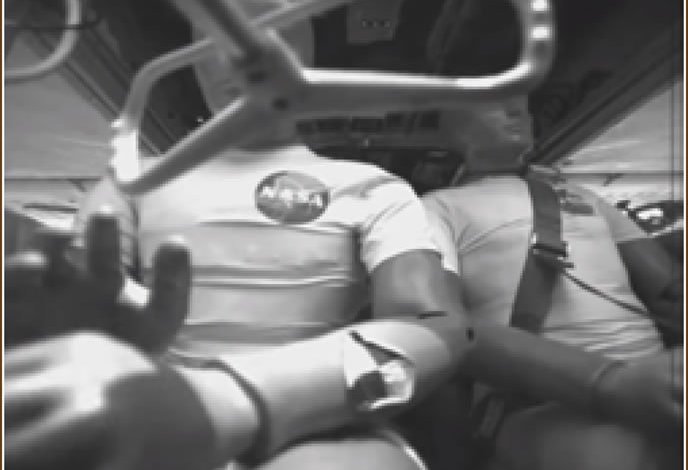
One of the side benefits of having some spare airframes, a test facility and a bunch of motivated engineers is the other kinds of testing you can do. According to Chad Stimson, NASAs project manager for the ongoing ELT testing, other data also is being collected, mostly as a supplement to earlier studies.

Read More »

Smoke Gets In Your Sky

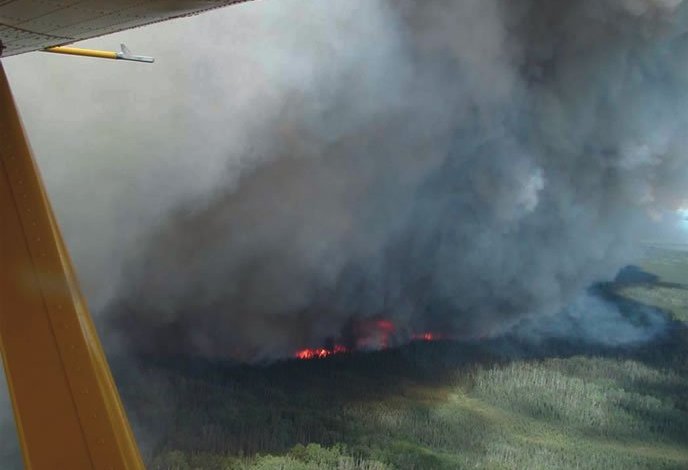
The blue of a dry western sky can be breathtaking. But just after winters overcast gives way to clear and deep blue, an insidious menace begins to turn the blue skies white: smoke from the summer fire season. If the national news is covering numerous large western fires, anybody planning a flight in the western U.S. between July and October needs to be prepared to factor smoke into their pre-flight briefings. Check the fire map, or at least glance at the distribution of forest-fire TFRs.

Read More »
Pilot in aircraft
Sign-up for newsletters & special offers!

Get the latest stories & special offers delivered directly to your inbox.

SUBSCRIBE