Features

NTSB Reports: October 2015

At about 1745 Central time, the airplane lost engine power shortly after takeoff. The airplane impacted trees and was substantially damaged. The solo private pilot was seriously injured. Visual conditions prevailed.The FAA reported the pilot was doing touch-and-goes. The engine lost power and the airplane impacted trees and terrain about a mile southeast of the airport. The airplanes empennage separated from the fuselage, and there was heavy damage to the right wing and fuselage.
Read More »

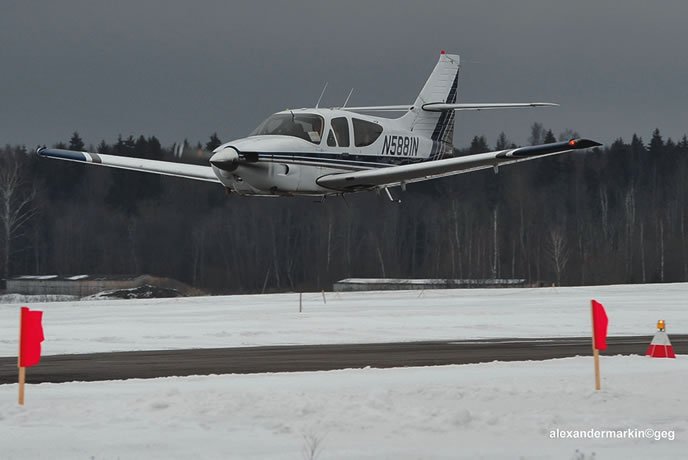
Using Ground Effect

The lack of respect many pilots give to ground effect sort of makes it the Rodney Dangerfield of aerodynamics. Its that momentary sag right after takeoff, and that little bit of float on landing. We know about it, but its often an afterthought: Oh, thats how I screwed up that flare. We all should know ground effect is only encountered…well, close to a flat surface, be it liquid or solid, but sometimes we forget.

Read More »

Crashworthiness

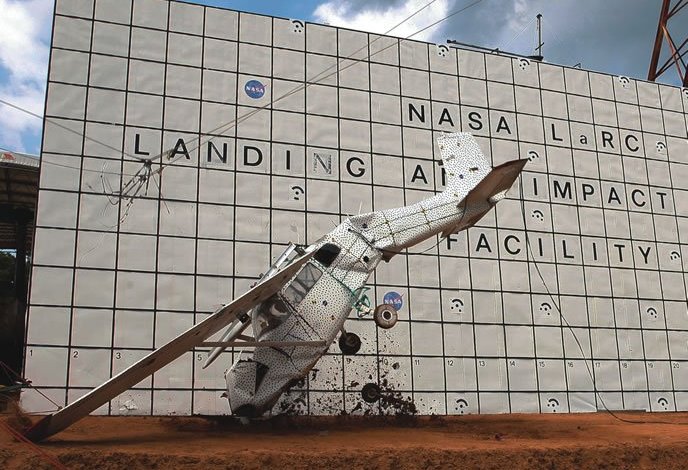
In Septembers issue, we ran a small article about NASAs crash-testing of three Cessna 172s as it researches emergency locator transmitter (ELT) technologies and mountings. A sidebar with that article published still images from an in-cabin video of a test, highlighting the value of shoulder harnesses for occupant protection.

Read More »

Breaking Out

I clearly remember my first experience breaking out on final after an instrument approach. It was late Thanksgiving, on the second leg of a seven-hour cross-country. At the time, I was an IFR noob with very little experience flying in the system, much less in actual IMC. I had been flying above a cloud layer, but with an hour remaining in my flight and the sun setting, the deck had finally sealed off my view of the ground. Fortunately, temperatures were warm, the layer was only a few thousand feet thick and the bases were reported at 1800 feet agl. It seemed like the perfect opportunity to experience breaking out without being anywhere near IFR minimums.

Read More »

Asymmetric Loads And Maneuvering Stalls

Almost any time the discussion is about stalling at greater than 1g, it usually involves symmetrical flight, where all portions of the airplanes structure are experiencing the same g-loading. But what if, say, one wing is at 2g and the other is at 3g, as might be the case in a rolling (banking) pull-up from a dive? The rising wing is experiencing greater g loading because its generating more lift. The descending wing, on the other hand, experiences less loading because its not generating as much.

Read More »

Maneuvering Stalls

One of the first things primary students learn in their training is the relationship of airspeed to stalls. Unfortunately, the Primacy Law can take over, leaving some pilots with the unshakable belief stalls only can happen at stalling speed, either clean (VS/VS1) or in the landing configuration (VS0). Thats basically true in 1g flight but not if any additional loading is placed on the wings, as often is the case when were maneuvering. In that situation, stall speed increases, sometimes dramatically.

Read More »

How It Goes Off The Rails

According to Dismukes and his researchers in a presentation, The Hidden Complexity of Cockpit Operations, conventional wisdom tells us pilots become accustomed to concurrent task demands, interruptions, distractions and disruptions while the truth is pilots routinely manage multiple, competing, concurrent task demands just fine. At least until theres an interruption. The presentation lists four situations when pilots are vulnerable to omissions when performing routine tasks:

Read More »

Think Tactically, Plan Strategically

Pilots routinely make strategic plans for their flights. By expanding that idea a little to imagine some what ifs at various points along the planned flight-weather deterioration, passenger problem, airplane or system malfunction, or other potential hazard-and then decide on alternative plans for each major stage of the flight, the risk of plan-continuation bias and the negative effects of snowballing workload and stress are reduced.

Read More »

Cockpit Multitasking?

The term multitasking originated in the computer industry and refers to a machines ability for perform more than one task simultaneously. Even though modern operating systems with which were all aware provide the illusion of multitasking, true implementation on a computer requires a multiple-core processor. The same could be said for humans.

Read More »
Pilot in aircraft
Sign-up for newsletters & special offers!

Get the latest stories & special offers delivered directly to your inbox.

SUBSCRIBE