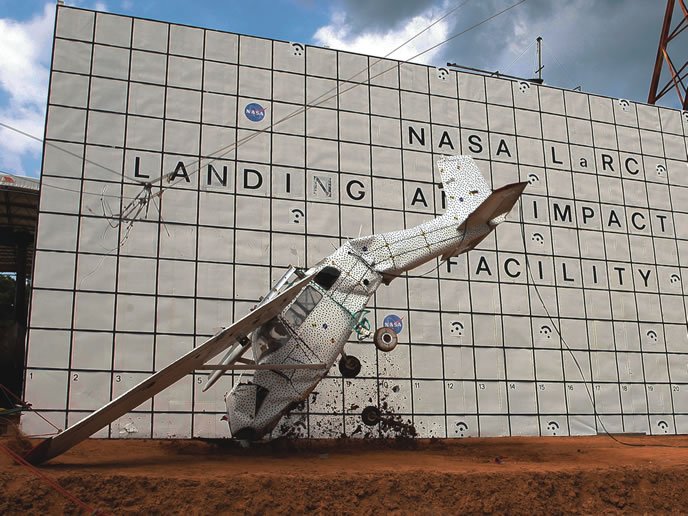
In Septembers issue, we ran a small article about NASAs crash-testing of three Cessna 172s as it researches emergency locator transmitter (ELT) technologies and mountings. A sidebar with that article published still images from an in-cabin video of a test, highlighting the value of shoulder harnesses for occupant protection.
The article highlights the evolution of aircraft crashworthiness, contrasting older models lacking modern safety features like shoulder harnesses and airbags with newer designs that include them, along with advancements like airframe parachutes.
Despite these improvements, personal aircraft generally offer less crash protection compared to modern automobiles, leading to potentially more severe injuries in accidents.
Pilots can mitigate injury risk by securing loose items, identifying emergency landing areas, considering safety retrofits like shoulder harnesses and airbags, and primarily by improving their flying skills and decision-making to prevent accidents.
In September’s issue, we ran a small article about NASA’s crash-testing of three Cessna 172s as it researches emergency locator transmitter (ELT) technologies and mountings. A sidebar with that article published still images from an in-cabin video of a test, highlighting the value of shoulder harnesses for occupant protection.
CREATE A FREE ACCOUNT
Sign up to keep reading
Create a free account to continue. Already a member? Sign in below.