













By the time you read this, those of us in the Northern Hemisphere will be well along on our journey from summer to winter. Autumn’s colors and apple cider will have given way to crisper evenings punctuated with the sound of leaf blowers. We’ll all have to dig our sweaters and warm coats out of the closet. Perhaps unlike with any other change of season, pilots need to consider the differences we’ll be facing as the calendar pages fly by.
The good news is the air will be cooler and denser. That will help aircraft performance but also can require tossing a blanket or two in the back seat. More good news is that we’ll get a respite from the typical personal airplane’s lack of air conditioning, which admittedly is more of a problem where I live in Florida than it may be for you.

Along the way, we need to make sure the airplane is ready for lower temperatures. There may be an oil cooler baffle you should install, for example, to help keep the engine at operating temperature. You also may want to closely inspect your airplane’s cabin heating system. For one thing, it may have been shut off or disabled back in the spring; now’s a good time to verify it works, especially in the rear seats.
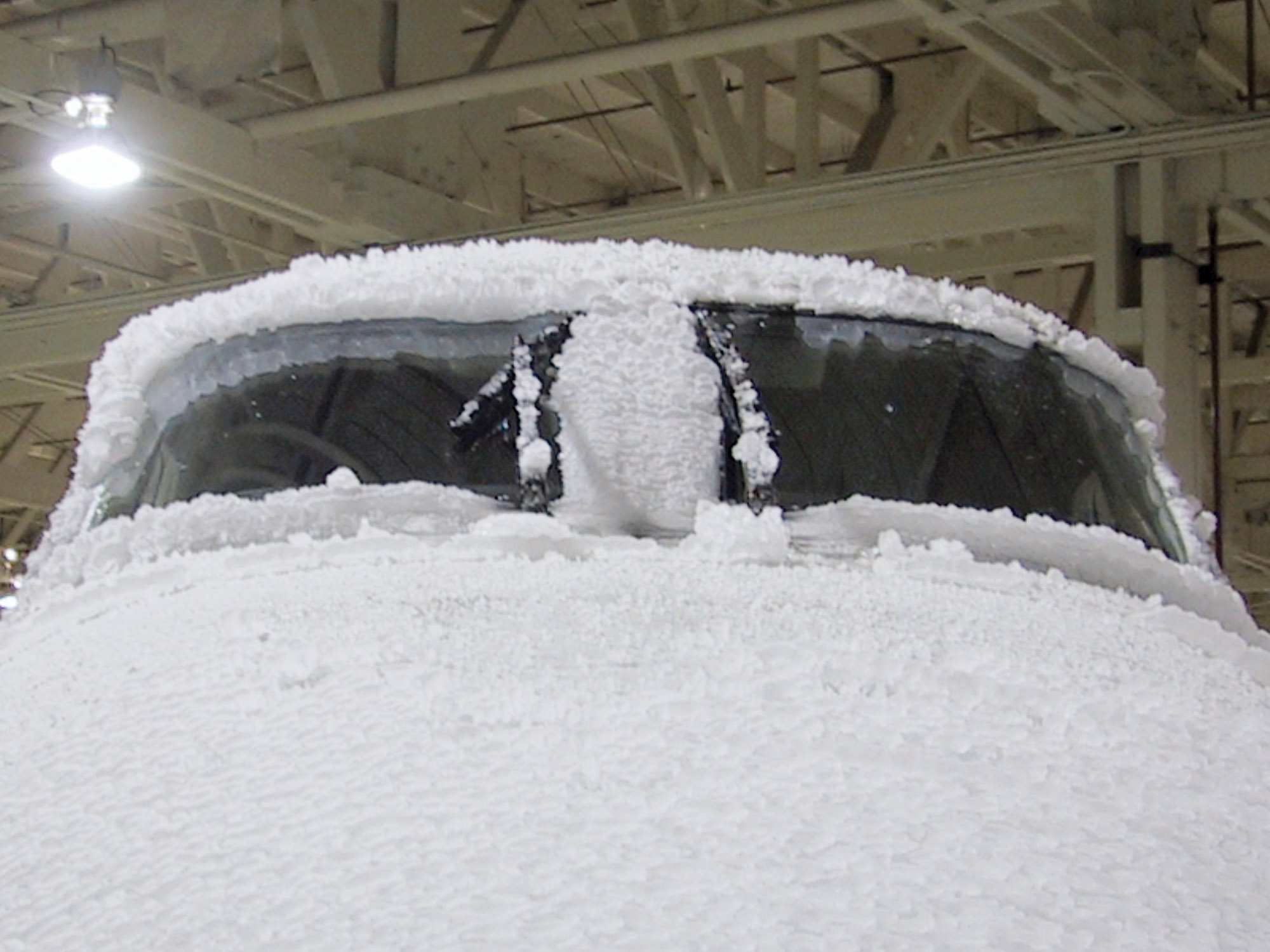
You also should review your airplane’s deicing and anti-icing capabilities, which may involve only a single, warm pitot tube. And we should remind ourselves to pay attention to the airborne icing forecasts that didn’t seem all that relevant a month ago.
Although the risk of carbon monoxide (CO) poisoning is year-round, it’s particularly acute in winter, when we likely will close all the fresh-air vents to minimize the gale of cold air we can encounter in the cabin at altitude. We all know that CO is odorless and colorless, but other fumes, which we can smell, are part of an engine’s exhaust. In other words, if you get a whiff of exhaust at run-up, for example, you’re likely also getting some CO.
Now’s also a good time to change out the batteries in your cabin’s portable CO detector.
