











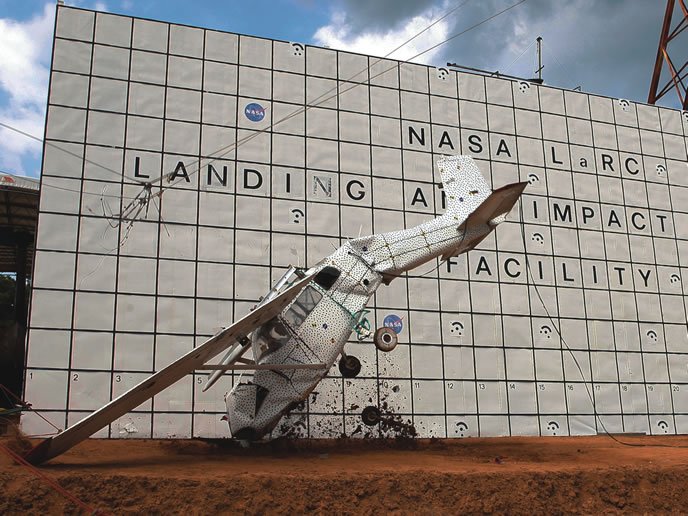


If there is any one thing guaranteed to frustrate an airplane owner—there actually are several, but work with us here—it’s the emergency locator transmitter, or ELT. The ELT, which was mandated by Congress in the early 1970s, got off to a bad start. Relatively short deadlines meant there weren’t enough of the devices available to meet the mandated demand. And they failed to activate in a crash more than 75 percent of the time. When they did activate, a whopping 97 percent were false alarms, according to the Aircraft Owners and Pilots Association (AOPA), resulting from something like a hard landing.
The improved standards of TSO-C91a, which replaced the earlier TSO-C91 and went into effect in 1985, resolved many of these problems. The latest ELT standard is TSO-C126b, and compliant devices activate 81-83 percent of the time, according to AOPA. An ELT manufactured under TSO-C126b is one of the so-called 406 MHz ELTs. But what about the next-generation ELT? Will it work even better? And what can we learn from all the experience we have with ELTs? Those are questions NASA is trying to answer, in part by crashing Cessna 172s in a test facility.

