













Register

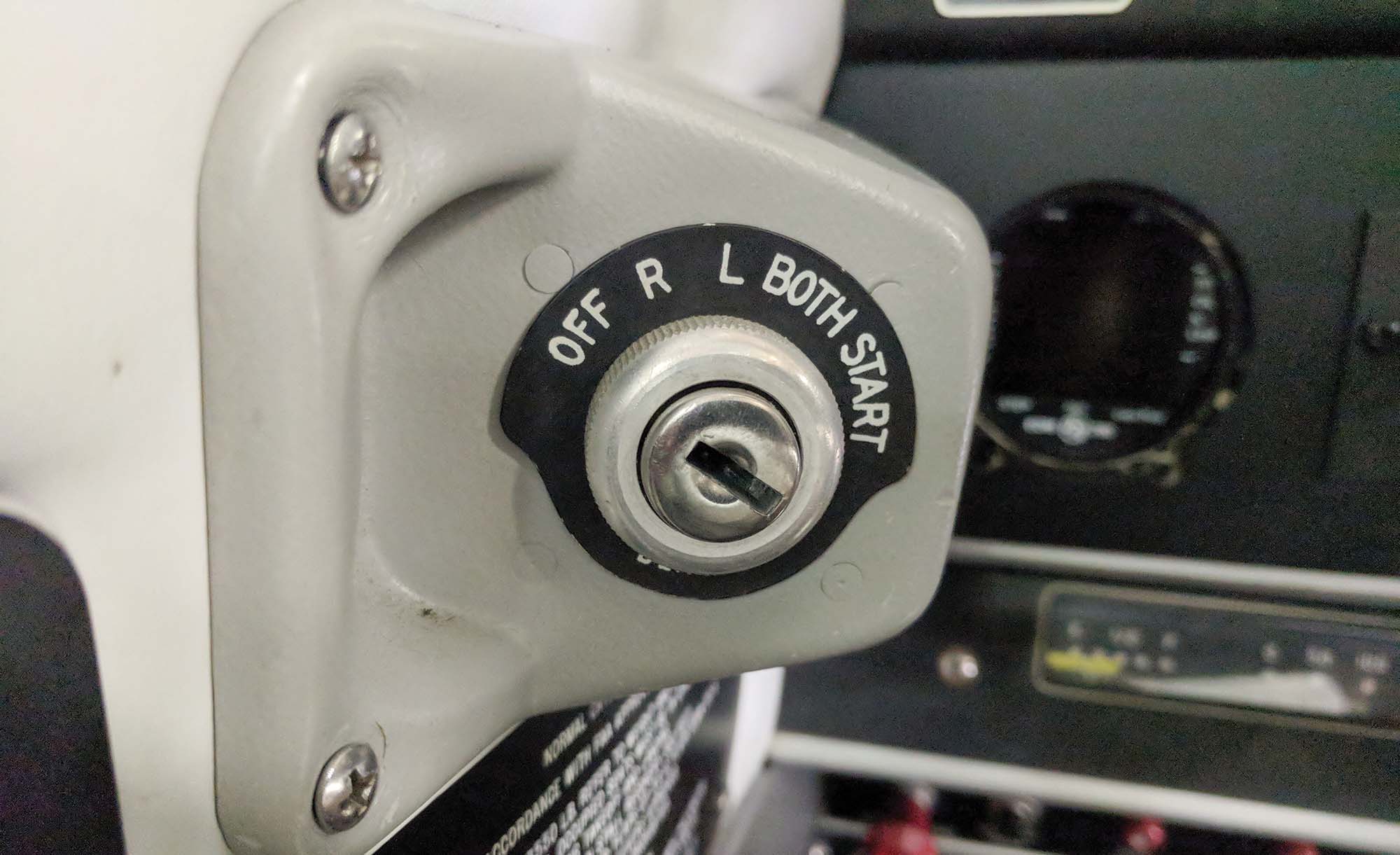
Magneto Checks

What you’re checking, and why, and doing them while airborne and when running lean of peak EGT.  

Gemini Sparkle

Key Takeaways:

  • Aircraft engines rely on dual magnetos for ignition redundancy, and pre-flight magneto checks (run-ups) are crucial for evaluating their performance by monitoring RPM drop.
  • Anomalies during a magneto check, such as an engine quitting, no RPM drop (indicating a failed P-lead), or rough running with a large RPM drop (often a fouled spark plug), signal issues ranging from unairworthy conditions to those potentially resolvable by "burning off" deposits.
  • Pilots can perform airborne magneto checks and utilize advanced engine monitors (EGT/CHT) for more detailed diagnostics, helping to pinpoint specific cylinder or spark plug problems beyond the basic tachometer reading.
See a mistake? Contact us.

A typical aircraft spark-ignition engine isn’t at all like the one powering the vehicle your drove to the airport. Unless, maybe, you drove a vintage tractor or motorcycle. There are so many differences, listing them here would take up lots of space, and we really only want to focus on what pilots can do and learn about their magnetos from the cockpit.

As we should know from ground school, the magnetos use energy from the operating engine to create electricity. By rotating an armature near a magnet and then sending the resulting energy into a secondary coil, high-voltage electricity is created. The mags, in turn, are connected by a wiring harness to the spark plugs, usually two of which are in each cylinder.


Ready to Sell Your Aircraft?

List your airplane on AircraftForSale.com and reach qualified buyers.

List Your Aircraft
AircraftForSale Logo | FLYING Logo
Pilot in aircraft
Sign-up for newsletters & special offers!

Get the latest stories & special offers delivered directly to your inbox.

SUBSCRIBE