













Wind Shear Is Another Matter Altogether

On August 2, 1985, Delta Air Lines Flight 191, a Lockheed L-1011, crashed while approaching the Dallas/Fort Worth International Airport, Texas. While passing through the rain shaft beneath a thunderstorm, Flight 191 entered a microburst, which the crew was unable to traverse successfully. Of the 163 aboard, 134 passengers and crew died; 26 passengers and three cabin attendants survived.


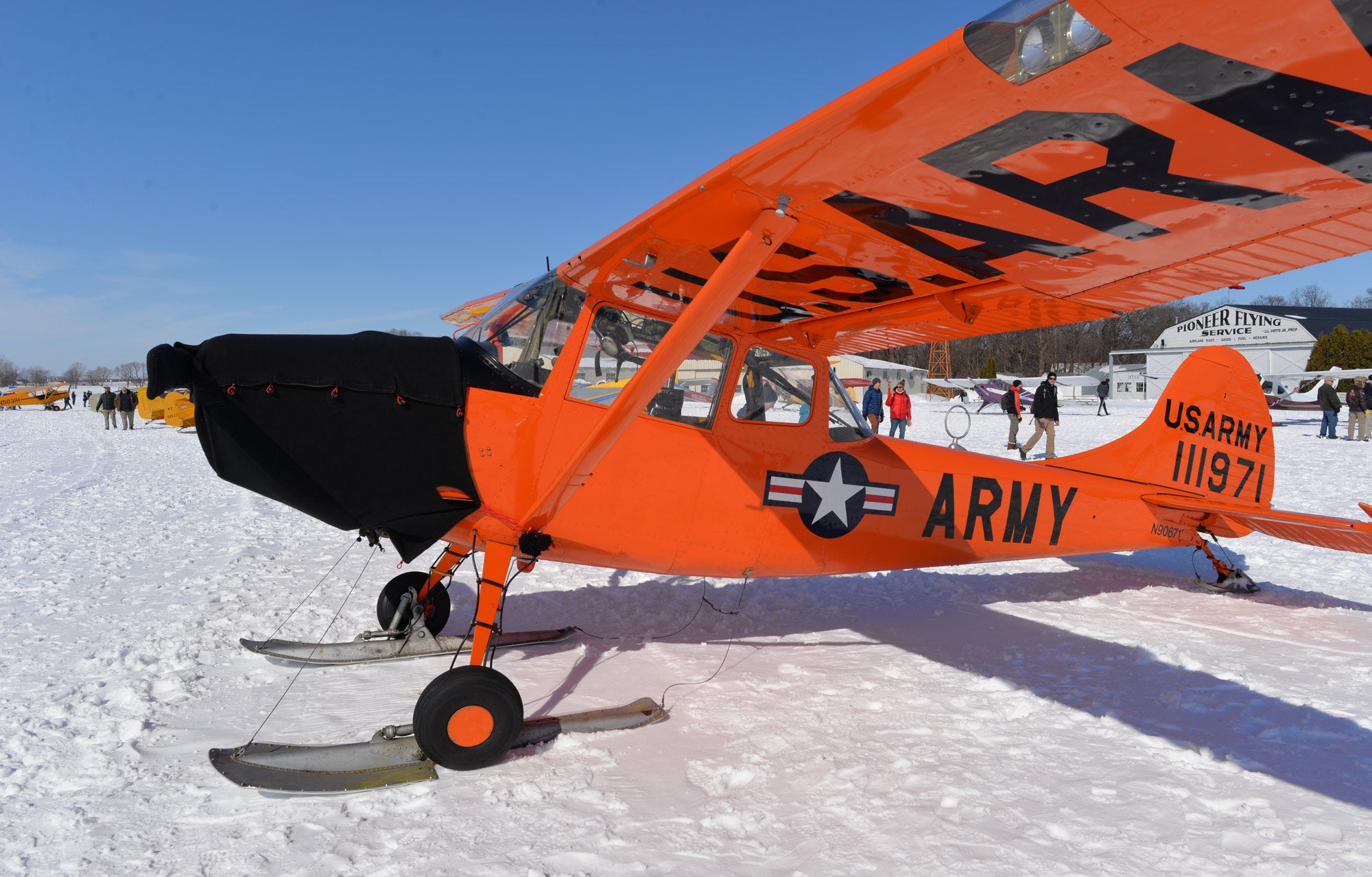
A bright orange Birddog was the perfect aircraft to attract visitors—and be seen in the snow—during the Winter Flight Fest at Pioneer Airport in Oshkosh. Jason McDowell
Gemini Sparkle

Key Takeaways:

  • Delta Air Lines Flight 191 crashed in 1985 after encountering a microburst during approach, resulting in 134 fatalities.
  • The NTSB attributed the probable cause to the flight crew's decision to continue the approach into a storm, coupled with a lack of specific wind shear training, procedures, and real-time hazard information.
  • The article emphasizes that severe wind shear, including microbursts and gust fronts, poses a significant danger to any aircraft during takeoff or landing, not just large airliners.
  • Microbursts are defined as rapidly descending air from violent storms that hits the ground and spreads outward, causing sudden and dramatic changes in wind direction and speed.
See a mistake? Contact us.

On August 2, 1985, Delta Air Lines Flight 191, a Lockheed L-1011, crashed while approaching the Dallas/Fort Worth International Airport, Texas. While passing through the rain shaft beneath a thunderstorm, Flight 191 entered a microburst, which the crew was unable to traverse successfully. Of the 163 aboard, 134 passengers and crew died; 26 passengers and three cabin attendants survived.

The NTSBs probable cause determination included the flightcrews decision to initiate and continue the approach into a cumulonimbus cloud, which they observed to contain visible lightning, and the lack of specific guidelines, procedures, and training for avoiding and escaping from low-altitude wind shear; and the lack of definitive, real-time wind shear hazard information.

While the inertia characteristics of an L-1011 differ greatly from the typical personal airplane, windshear encountered during takeoff and landing can slam any airplane right back onto the runway-or worse. I was in the pattern at Panama City, Fla., just before the gust front for a rather impressive squall line came through. As I was settling into the downwind, a departing pilot let out an audible WTF!! He wobbled airborne just as the wind disappeared from under him, shearing by more than 20 knots from headwind to nothing at all, then to a tailwind. I dont know how he stayed in the air. Immediately thereafter, tower told me to turn and cross midfield to re-enter the pattern for the opposite runway. The air got choppy and the windsock was dancing, but at least my landing was into the wind.

Call them microbursts, windshear or gust fronts, they all are essentially rapidly descending air from violent storms that rushes down, hits the ground and flares outward at speeds sometimes double the winds inside the storm. And since the winds spread in a rough circle around the storms base, its almost sure to swing the direction of the windsock.

Ready to Sell Your Aircraft?

List your airplane on AircraftForSale.com and reach qualified buyers.

List Your Aircraft
AircraftForSale Logo | FLYING Logo
Pilot in aircraft
Sign-up for newsletters & special offers!

Get the latest stories & special offers delivered directly to your inbox.

SUBSCRIBE