











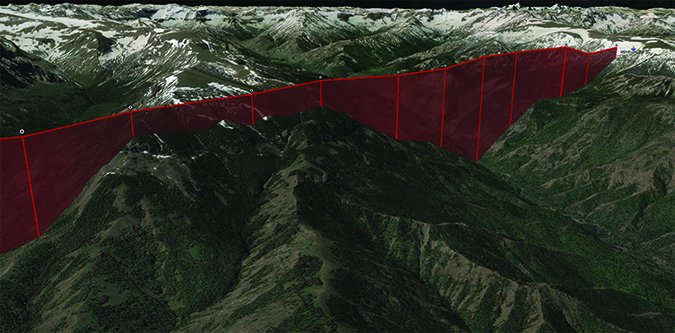


According to the FAA’s advisory circular on the subject, controlled flight into terrain (CFIT) occurs when “an airworthy aircraft is flown, under the control of a qualified pilot, into terrain (water or obstacles) with inadequate awareness on the part of the pilot of the impending collision.” That same advisory circular (AC 61-134, General Aviation Controlled Flight Into Terrain Awareness) tells us “about 25.0 percent of all accidents occur during the takeoff and initial climb segment of flight. Approximately 7.0 percent of the accidents occur during the climb portion. Only about 4.5 percent occur during cruise. About 19.5 percent occurs during descent and initial approach. But 41.4 percent of the accidents occur during final approach and landing.” In other words, when we’re flying close to the ground, we’re at greater risk of running into it.
That makes perfect sense to us, and we generally avoid getting too close to the ground or other objects, except when taking off or landing. The problem resulting in many CFIT accidents, however, is that the pilots didn’t know they were about to run into something. Poor visibility, night operations and mountainous terrain all figure prominently in CFIT accidents. Perhaps the most typical CFIT accidents, however, occur when pilots inadvertently encounter instrument conditions and don’t turn around.

