FSFs Recommended Elements Of a Stabilized Approach
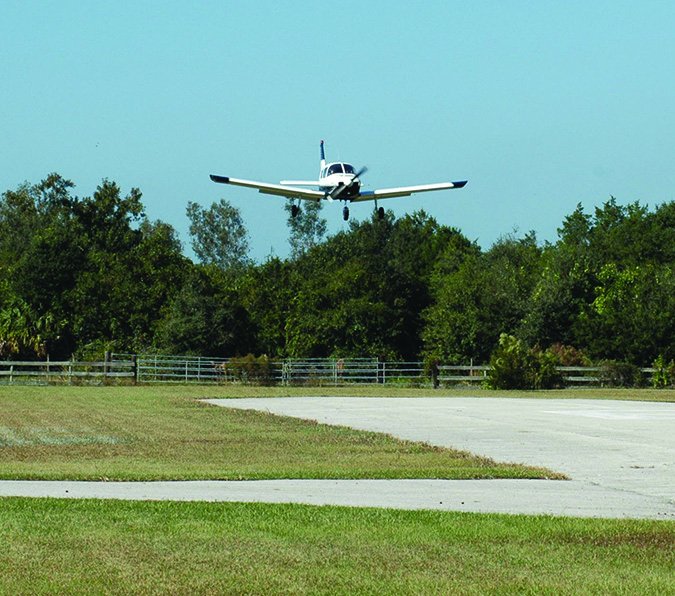
All flights must be stabilized by 1000 feet above airport elevation in instrument meteorological conditions (IMC) and by 500 feet above airport elevation in visual meteorological conditions (VMC). An approach is stabilized when all of the following criteria are met: 1. The aircraft is on the correct flight path; [IMGCAP(1)] 2. Only small changes in heading/pitch are required to maintain the correct flight path; 3. The aircraft speed is not more than VREF + 20 knots indicated airspeed and…
Flights must be stabilized by 1000 feet above airport elevation in instrument meteorological conditions (IMC) and 500 feet in visual meteorological conditions (VMC).
A stabilized approach is defined by adherence to specific criteria, including being on the correct flight path with minimal changes, maintaining an appropriate speed (VREF to VREF + 20 knots), being in the correct landing configuration, a sink rate no greater than 1000 feet per minute, and appropriate power settings, with all briefings and checklists completed.
An immediate go-around is mandatory if an approach becomes unstabilized below the specified stabilization altitudes (1000 feet IMC or 500 feet VMC).
All flights must be stabilized by 1000 feet above airport elevation in instrument meteorological conditions (IMC) and by 500 feet above airport elevation in visual meteorological conditions (VMC). An approach is stabilized when all of the following criteria are met:
1. The aircraft is on the correct flight path;
CREATE A FREE ACCOUNT
Sign up to keep reading
Create a free account to continue. Already a member? Sign in below.