Risk Management

Which IFR Emergencies Should We Practice?

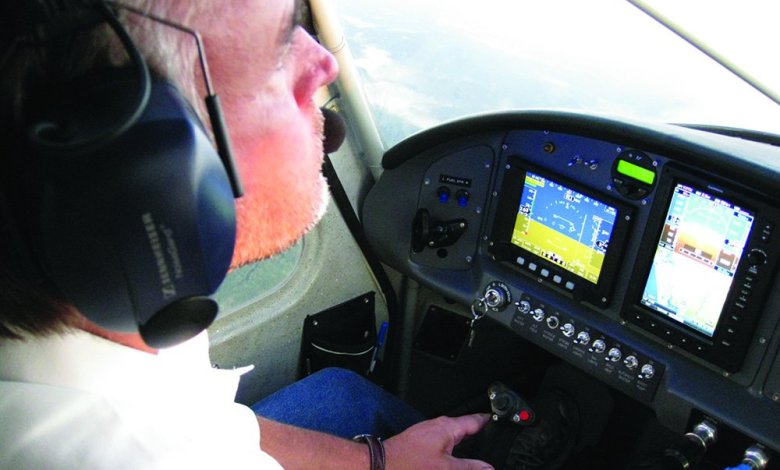
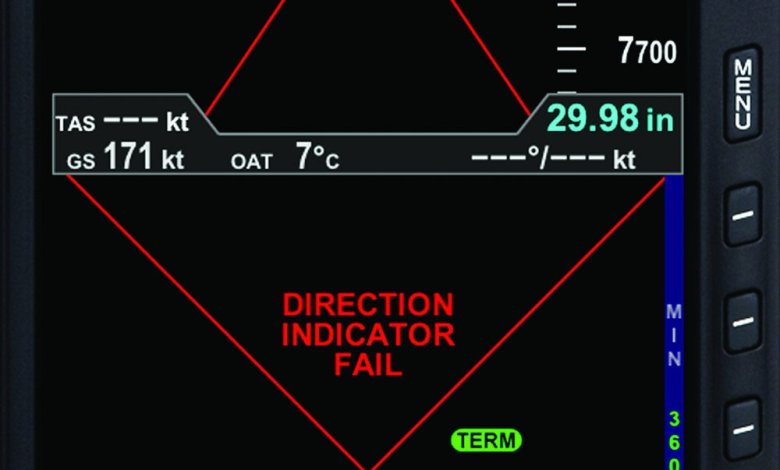
By the time someone is sent for the instrument check ride, he or she is expected to know the emergency procedures in the appropriate POH as well as how to deal with failures affecting the airplanes ability to fly in IMC. A cross-section of the bad news stuff is discussed during the oral portion of the practical test and demonstrated in flight. But whats a little frightening is that the IFR check ride often marks the high point of an instrument pilots ability to deal with an emergency.

Read More »

Pilot Bill of Rights, Control Riding and Dealing with Drones

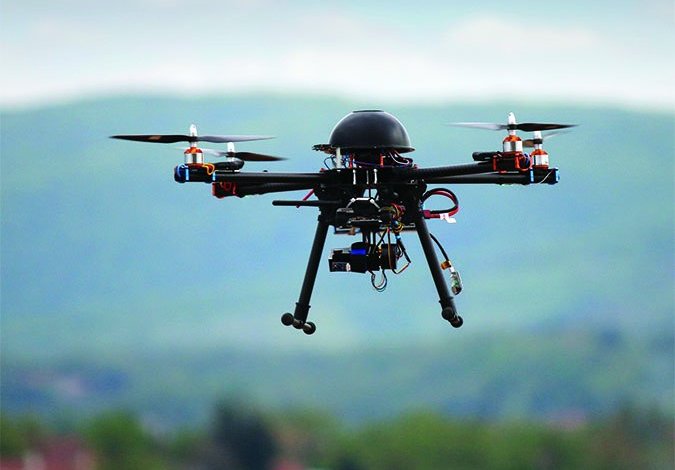
The Air Line Pilots Association (ALPA) on June 23, 2015, wrote U.S. Senators saying it is fundamentally opposed to the dangerous policy shift proposed by the Pilots Bill of Rights II (PBOR2). Reader Martin Brookes writes that every instructor he has flown with couldnt resist adding their control input on landing via subtle, unannounced control inputs to help the student. This is an unfortunately common practice, sometimes called control riding. While its easy to bash the FAA efforts to regulate drones, its important to note Congress in 2012 told the agency to come up with a regulatory scheme allowing UAS operations in the national airspace.

Read More »

Landing Re-Dos: Things to Think About

There you are, on short final to a nearby airports runway, hoping to get to the fly-in breakfast before the sausages get too old. Youve made your position reports on the CTAF throughout the pattern, the landing checklist is complete, the airplane is configured for landing and youve nailed the airspeed. All youre waiting for as you glide down to the runway is raising the nose for the flare and the final power reduction. Theres no reason to expect this wont be one of your better landings. Until that airplane thats been sitting in the run-up area decides to taxi onto your runway, turn its back to you and begin accelerating for its takeoff roll. Its time to go around. What will you do?

Read More »

How Flight Hours Translate to Experience

Whenever two or more pilots get together in the same place, the conversation eventually gets around to which of them has the greatest number of flight hours. The yardstick of how much time youve spent aloft is more than just small-scale bragging rights, of course-it also can determine whether youre eligible for a subsequent certificate, or even legal to carry passengers. And then theres the matter of insurance coverage.The simple fact is that most of the aviation world measures how competent we are in the cockpit by how much time we may have spent there. The inference is that high-time pilots are safer, and that low-time pilots are less safe. The fallacy is highlighted if we put someone with 20,000 hours as PIC of a 747 into a piston single and ask him or her to perform an engine-out approach from downwind: Without some practice-i.e., some experience with that particular operation-its not likely to turn out well. What is experience? How to measure it? Most important: If its so valuable, how can we get more of it?

Read More »

Five Things To Get Right On Your Next Flight

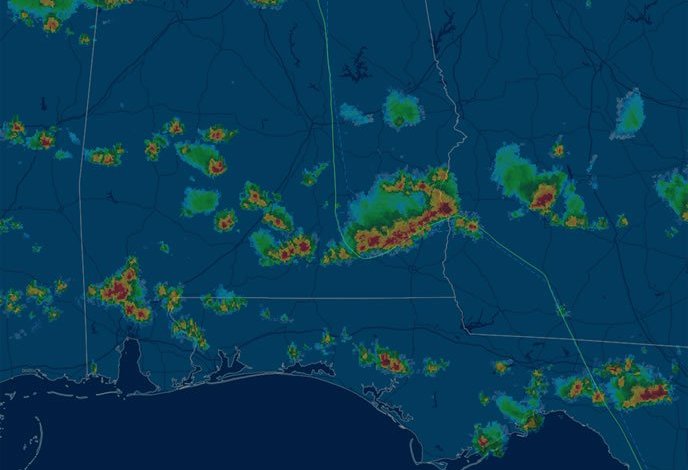
It is said a pilot cannot conduct a flight without violating at least one FAA regulation somewhere along the way. Advocates look no farther than FAR 91.103, which requires a pilot to become familiar with all available information (emphasis added) pertaining to a flight before taking off, which simply isnt possible these days. If one equates FAR compliance with safety, that means at some point during the flight, were unsafe. We dont buy that, and can think of many situations where at least bending a FAR can be the safer action, and when violating one really should be the least of our worries.

Read More »

New Certification Standards

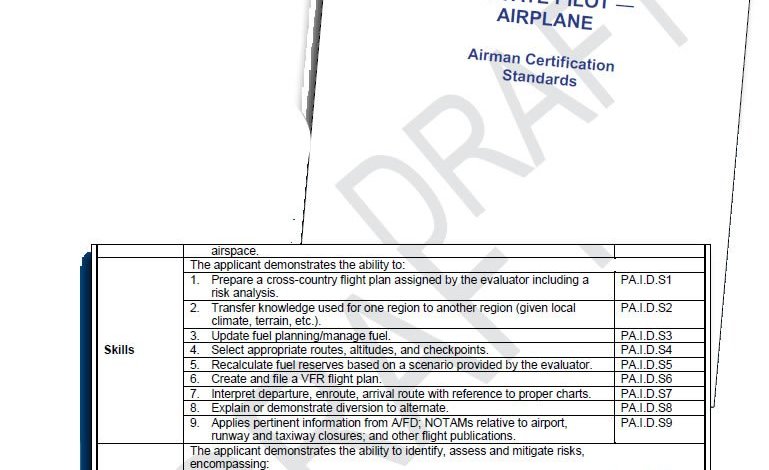
The FAA and industry have spent the last three years preparing to replace the existing practical test standards (PTS). As a result, the new airman certification standards (ACS) will go into effect in 2016 for all airman certificates and ratings. This new system can potentially improve the general aviation safety record, but only if flight instructors, designated pilot examiners and FAA inspectors are prepared to teach, test and administer the new system.

Read More »

Requiring Risk Management

In the new private pilot ACS, Area of Operation 1, Preflight Preparation, Task D, Cross-country Flight Planning (see excerpt at right) lists skill item 3, Recalculate fuel reserves based on a scenario provided by the evaluator. This requirement is largely unchanged from the PTS system. However, under the ACS the applicant must also be prepared to demonstrate knowledge about route planning and the procedure for calculating fuel reserves.

Read More »

Of Rams And Frats

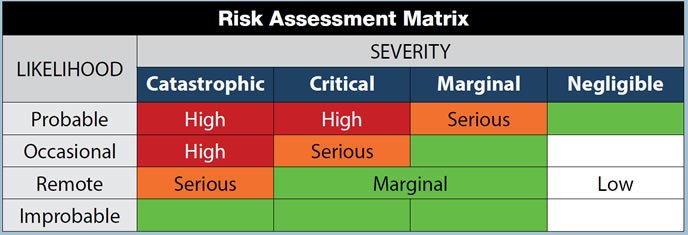
One approach to assessing risk, covered in the FAAs Risk Management Handbook, is to use a risk assessment matrix (RAM) like the one depicted at right. The matrix simplifies part of the risk assessment process, since once likelihood and severity are determined for a given risk its easier to determine when mitigation is required.

Read More »
Pilot in aircraft
Sign-up for newsletters & special offers!

Get the latest stories & special offers delivered directly to your inbox.

SUBSCRIBE