













Register

Managing CFITs Risk

under the control of a pilot

Gemini Sparkle

Key Takeaways:

  • General aviation continues to be significantly affected by Controlled Flight Into Terrain (CFIT) accidents, primarily stemming from poor or non-existent pilot risk management rather than immediate proximate causes.
  • Analysis of CFIT accidents reveals common contributing factors including environmental hazards (weather, terrain, night flying) and pilot issues such as lack of instrument rating, fatigue, and external pressures.
  • Prevention of CFIT accidents relies on pilots proactively identifying and mitigating hazards through thorough preflight risk assessment, leveraging technology, undergoing appropriate training, adhering to established procedures, and maintaining a professional attitude.
See a mistake? Contact us.

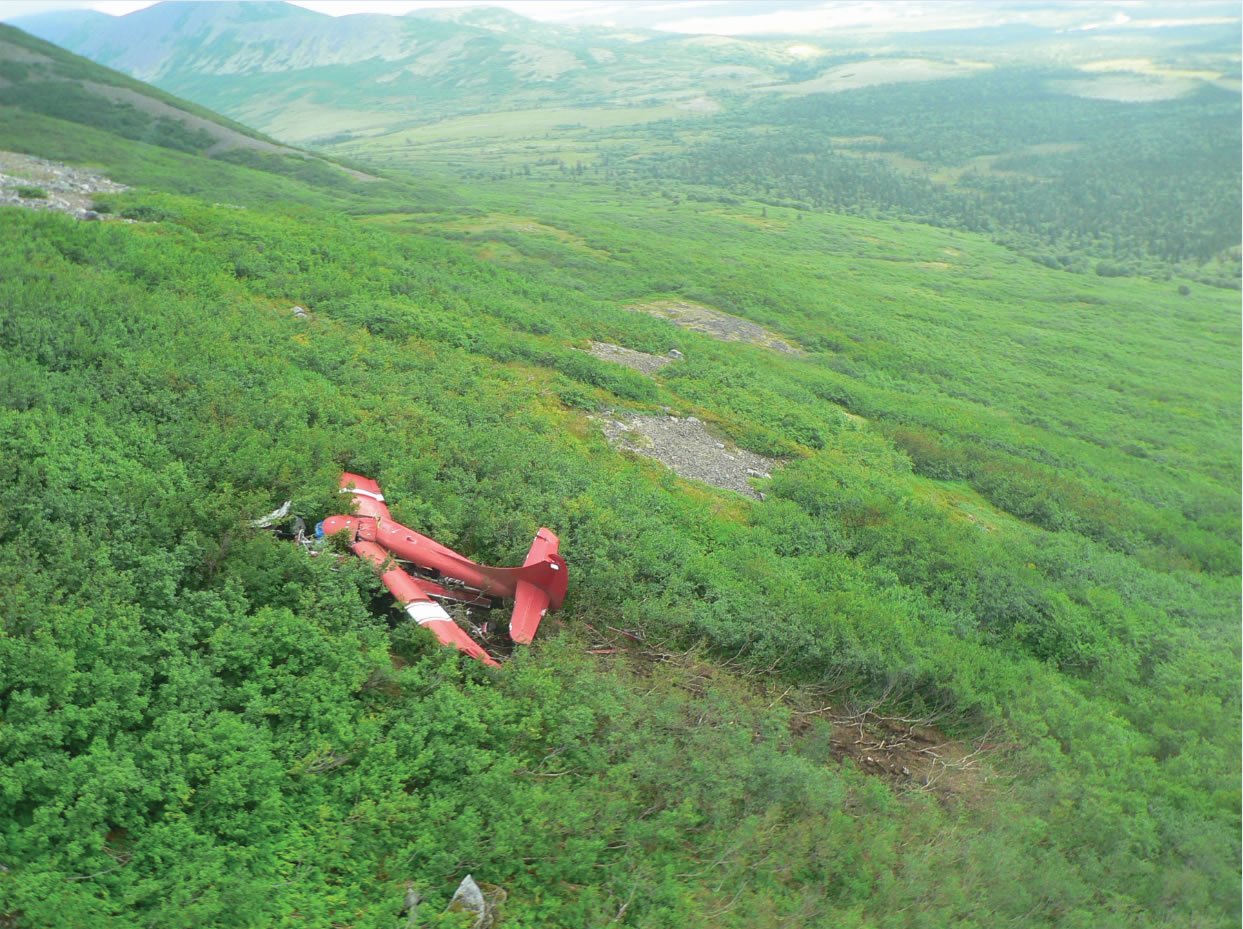
Although the U.S. and European airline industries have mostly eliminated controlled flight into terrain (CFIT) accidents by adopting new technologies, improved training and relevant procedures, general aviation continues to be plagued by them. Meanwhile, the FAA and the general aviation community have recognized that CFIT accidents are a major safety problem. The General Aviation Joint Steering Committee (GAJSC)—a group of FAA and industry organizations seeking data-driven solutions for key general aviation safety problems—has analyzed accident data and is targeting the most prevalent causal factors, concentrating on reduction of fatal accidents. Work groups are then formed to develop mitigations for these causal factors, emphasizing non-regulatory solutions.


Ready to Sell Your Aircraft?

List your airplane on AircraftForSale.com and reach qualified buyers.

List Your Aircraft
AircraftForSale Logo | FLYING Logo
Pilot in aircraft
Sign-up for newsletters & special offers!

Get the latest stories & special offers delivered directly to your inbox.

SUBSCRIBE