Robert Wright Tuesday, October 20, 2020

Are Pilots Soon To Become Obsolete?

Aviation has always been a breeding ground for technological, social and economic change. Many of these changes, such as the jet airliner, shrank the world and transformed how we see it. The airliner’s influence may be on the wane, however, as challenges in the workplace and the effects of climate change—two major factors among many […]
Read More »
Robert Wright Monday, August 24, 2020

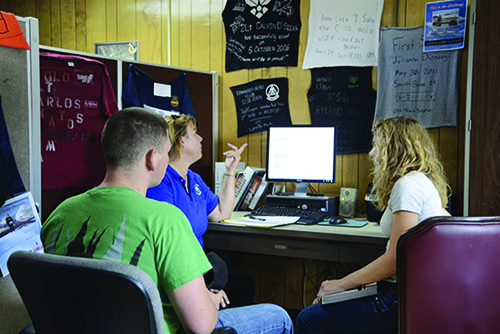
Are The ACS Working?

The first Airman Certification Standards (ACS) were issued in 2016, after a five-year gestation period, replacing the Practical Test Standards (PTS) system that previously governed checkrides for airman certificates and ratings. Implementation has proceeded smoothly, and according to designated pilot examiners (DPEs), the ACS is not more burdensome than the PTS. The big unknown, however, […]

Read More »
Robert Wright Wednesday, June 17, 2020

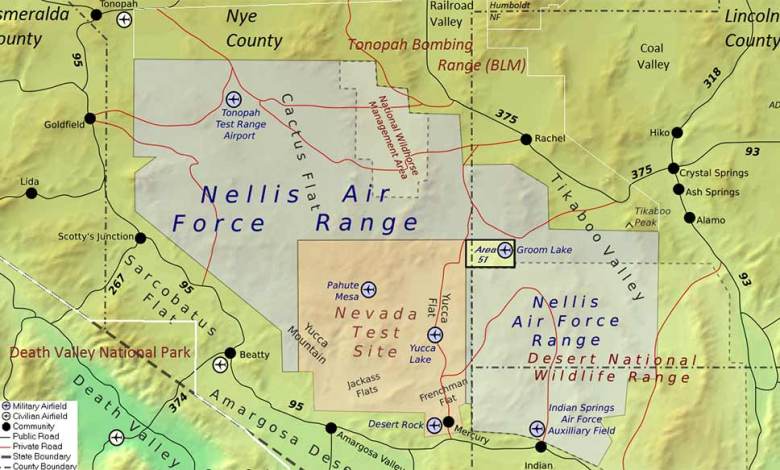
Environmental Risks

Environmental risks, one of the four broad hazard categories the FAA identifies in its PAVE acronym (see the sidebar at the bottom of the opposite page), typically involve weather and terrain, but also can include traffic, navaids, obstacles and even wake turbulence. When several such hazards are present at the same time, they can easily […]

Read More »
Robert Wright Thursday, April 16, 2020

One Risk Over The Line

Thanks in part to requirements in the new Airman Certification Standards (ACS) for applicants to demonstrate proficiency with it on practical tests, risk management is becoming an integral part of the training process. Outlined in every task of every ACS for certificates and ratings, applicants are evaluated on their ability to identify, assess and mitigate […]

Read More »
Robert Wright Thursday, February 20, 2020

Obtaining And Keeping Situational Awareness

In a recent issue, we highlighted an SA definition from the U.S. Coast Guard: “Situational awareness is the ability to identify, process, and comprehend the critical elements of information about what is happening to the team with regards to the mission. More simply, it’s knowing what is going on around you.” (emphasis in the original). […]

Read More »
Robert Wright Thursday, February 20, 2020

Introduction To Single-Pilot Resource Management

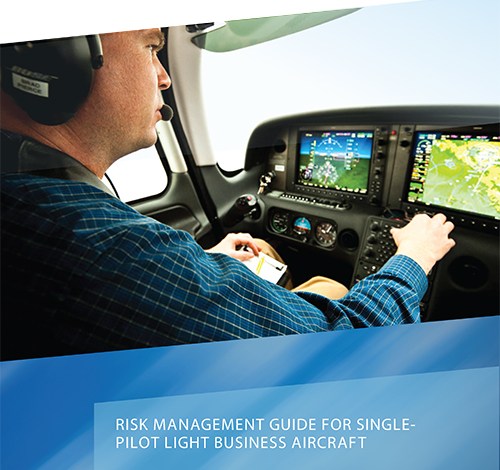
I worked with the NBAA Safety Committee Single-Pilot Work Group to assemble the association’s Risk Management Guide For Single-Pilot Light Business Aircraft, pictured at right. One of the new concepts in the Guide is one more risk-management acronym: TEMA, a variation on “team,” which stands for Transfer, Eliminate, Mitigate and Accept. Highlights include these elements: […]

Read More »
Robert Wright Thursday, February 20, 2020

We’re Not Getting Any Younger

There have been numerous studies about aeromedical issues and aging pilots. Reviewing and commenting on them is beyond this article’s scope, the Aircraft Owners and Pilots Association (AOPA) Air Safety Institute (ASI) has published a good summary report on aging pilots that includes recommendations for dealing with aging issues. The report, the cover of which […]

Read More »
Robert Wright Thursday, February 20, 2020

What Milestones Mean

Milestones are something we often observe to bring back good memories or special occasions, like birthdays and anniversaries. We may also use them as an occasion to reflect on our successes and failures, and to measure our life progress. Few other activities as aviation count ratings obtained, hours flown, accident-free operation and other parameters as […]

Read More »
Robert Wright Thursday, January 2, 2020

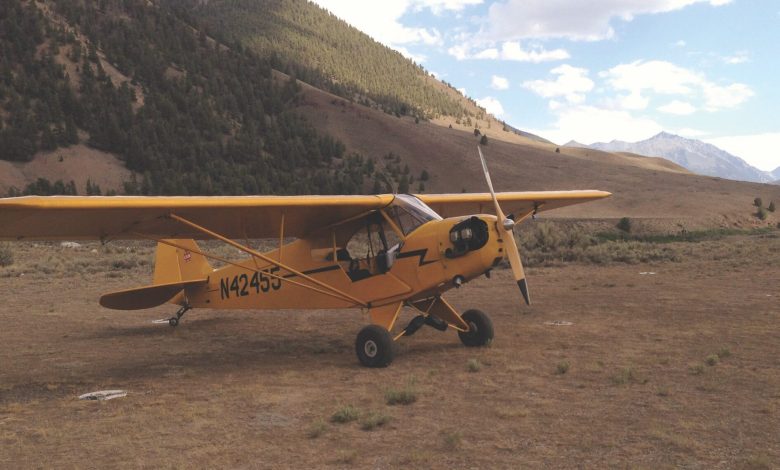
Geographic Risks

The Pacific Northwest, for the purposes of this article, includes the states of Washington, Oregon, Idaho, and parts of Montana and Wyoming. Thats a huge hunk of territory and comprises more than 250,000 square miles for Washington, Oregon and Idaho alone. The region includes two major mountain ranges-the Cascades and the Northern Rockies-and many smaller ones, as well as several major river basins. There are major cities in the region, such as Seattle, Portland and Boise, but also thousands of square miles of largely empty land and wilderness.

Read More »
Robert Wright Wednesday, October 30, 2019

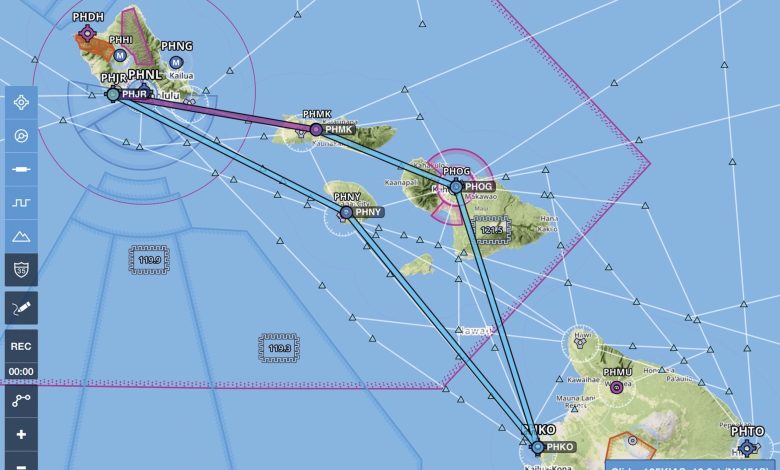
Over-Water Risks

Its an aviation clich that your single engine goes into automatic rough when crossing any significant body of water. To be sure, any engine problem while beyond gliding distance from land is a critical problem, even if you have more than one. When flying a single, its everything. Another clich is that most of us dont bother to analyze the real risks of overwater flying. Any water crossing of any significance-and wed put the Great Lakes, Hawaii and Bahamas in that basket-should be carefully planned to ensure risks are mitigated to acceptable levels. The thing is, both clichs are true more often than not.

Read More »
Loading Posts