










Foreign Affairs
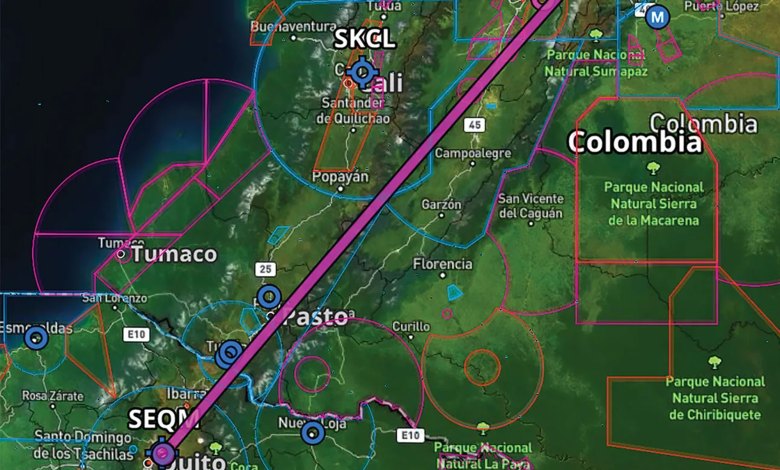
Away from the warm embrace of North Dakota, our hero takes on foreign ATC, poorly marked pavement, U.S. Customs and even Florida. Along the way, lessons were learned.

Away from the warm embrace of North Dakota, our hero takes on foreign ATC, poorly marked pavement, U.S. Customs and even Florida. Along the way, lessons were learned.
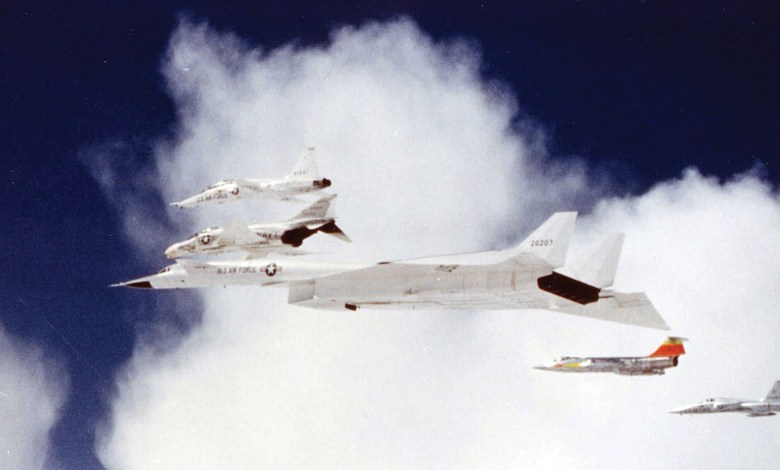
Formation flying is not something you want to do on a whim. Doing it properly requires planning and proper procedures.
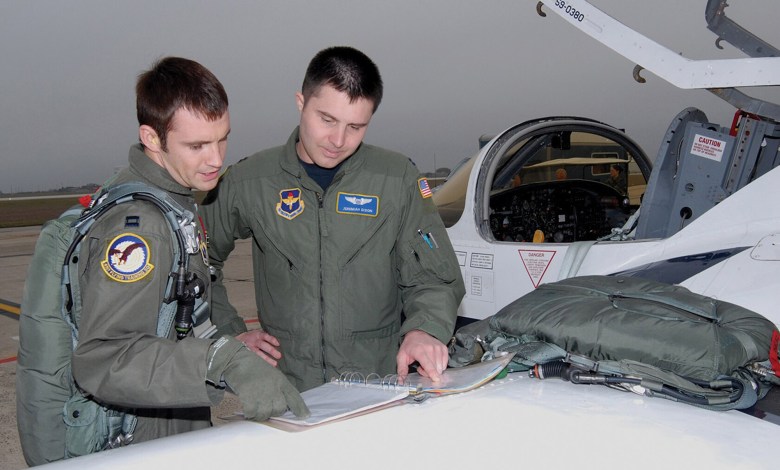
Cockpit resource management isn’t limited to crews. Planning and situational awareness are key for single pilots.

Ultimately, flying is a series of distractions, one after another. Along the way, someone still has to fly the airplane.
NASA’s Aviation Safety Reporting System offers a wealth of resources on real-world operations. And more.
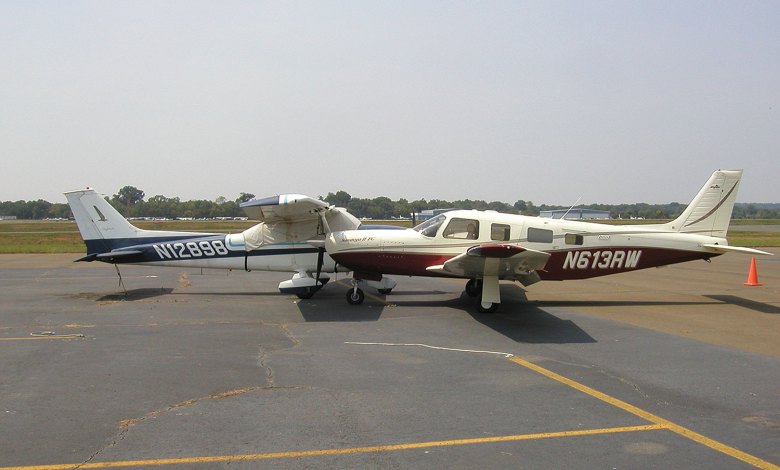
Recognizing the hazardous attitudes we all have is the challenge, and there’s an FAA Advisory Circular for that.

These aren’t pilot secrets, but if your preflight planning tells you some of the risks you’re facing are too great, consider this advice to help mitigate them.
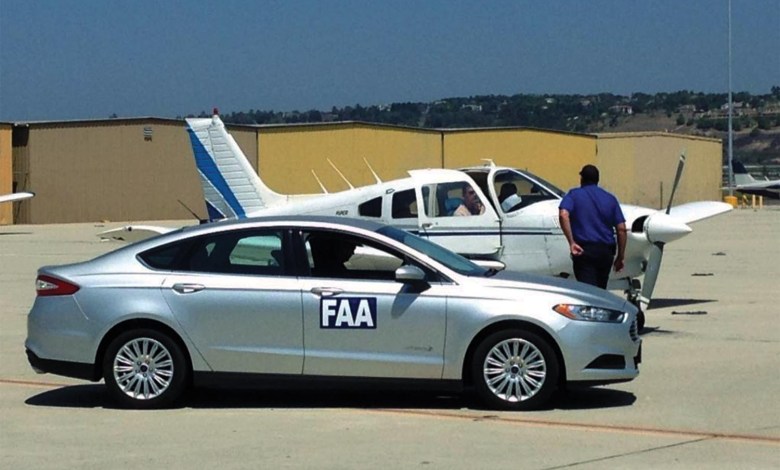
Pilot deviations, from minor mistakes to serious errors, have myriad reasons. All can be mitigated with risk management.
We all want to sound cool on the radio, but shortcuts and word omissions can breed rampant confusion.

Fatigue is a frequent contributing factor in mishaps. Noticing the signs and creating a mitigation strategy are essential.

Get the latest stories & special offers delivered directly to your inbox.
SUBSCRIBE