











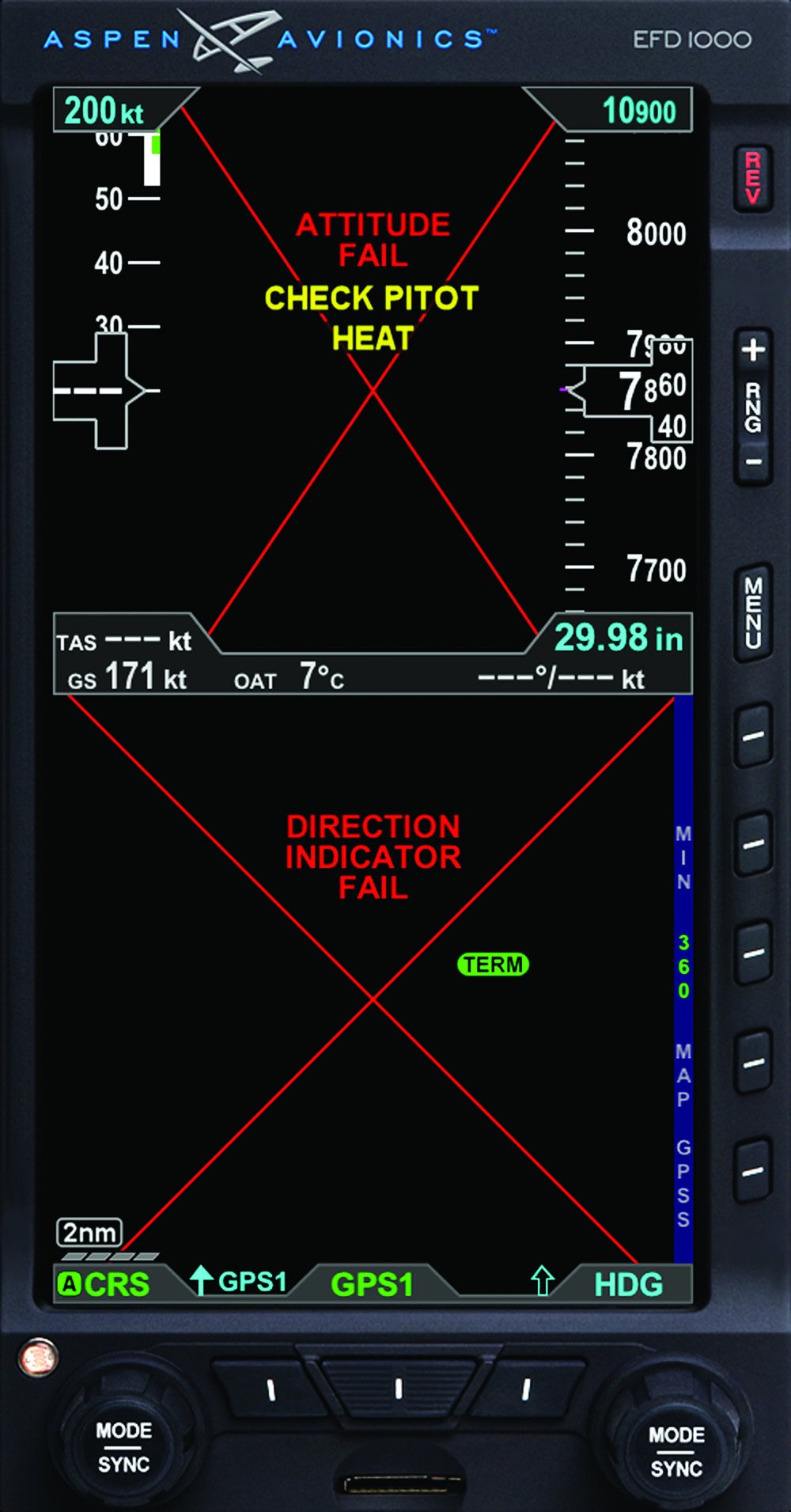


By the time someone is sent for the instrument check ride, he or she is expected to know the emergency procedures in the appropriate POH as well as how to deal with failures affecting the airplane’s ability to fly in IMC. A cross-section of the bad news stuff is discussed during the oral portion of the practical test and demonstrated in flight. But what’s a little frightening is that the IFR check ride often marks the high point of an instrument pilot’s ability to deal with an emergency.
Once our ratings are obtained, what do most of us do? We begrudgingly take a flight review every 24 months, which we try to keep as short as possible. We try to stay instrument current by flying with a safety pilot so as to avoid having to obtain an instrument proficiency check. If we’re a lucky if infrequent pilot, we’ll combine the flight review with an instrument proficiency check. As we maintain currency, are we practicing the right things? What can we do to avoid looking stupid in an NTSB accident report? How should we identify and practice emergencies in a way that gives us the best chance of dealing successfully with the risks we face, but without spending so much money in the process that we can’t fly?

