









rdurden
Wednesday, December 13, 2023
Stupid Pilot Tricks
While we write this annual feature to be amusing, the intent is also to get you to consider your own actions, lest you be featured on these pages.


While we write this annual feature to be amusing, the intent is also to get you to consider your own actions, lest you be featured on these pages.
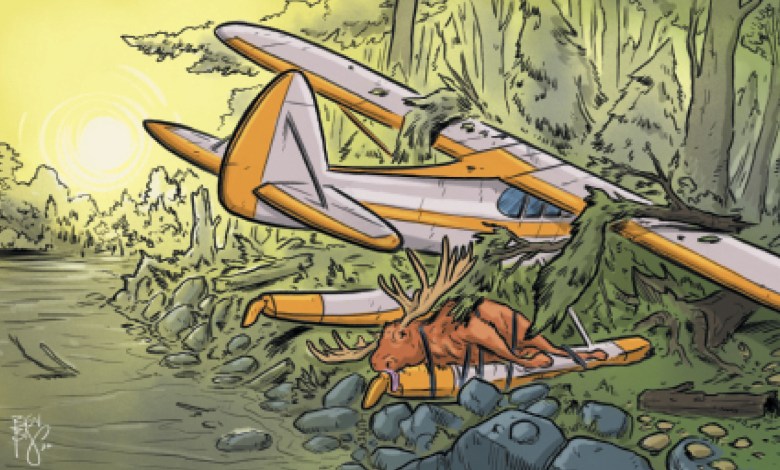
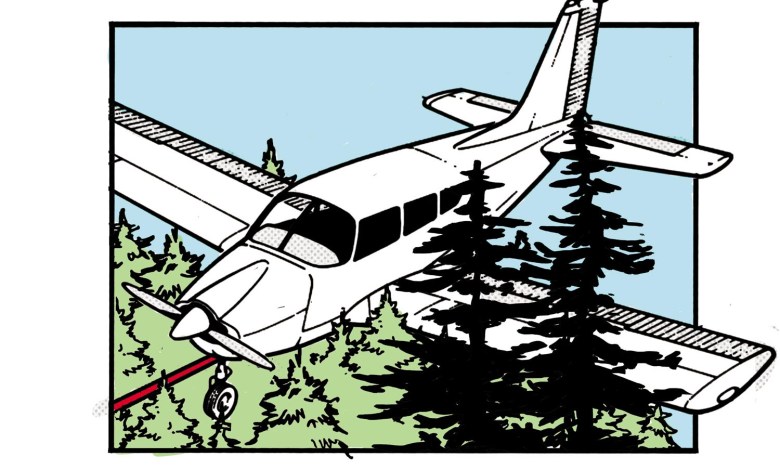
Yes, we’d done as we were told. The hushed voice on the phone had promised a copy the 2019 Golden File from the Official Office of Plane Safety (OOPS)—the nearly magical file that contained that august organization’s conclusions as to which nonfatal aircraft accidents were the result of the most boneheaded moves by people who […]

Pandemonium reigned, but it wasn’t our fault. We’d snuck into the super-secret gathering of the Official Office of Plane Safety, which is made up of many of the most highly regarded people in the U.S. who’ve devoted their lives to aviation safety. It was the night when the group would let its collective hair down […]
This maze of hallways is the archives of aviation’s greats—not the Stupid Pilot Tricks Repository. We’re awed by images of the Montgolfier brothers and their good sense to launch the world’s first flyable aircraft with a sheep, rooster and duck before stocking its basket with humans (who weren’t themselves). While they were brilliant, Jacques-Etienne Montgolfier […]
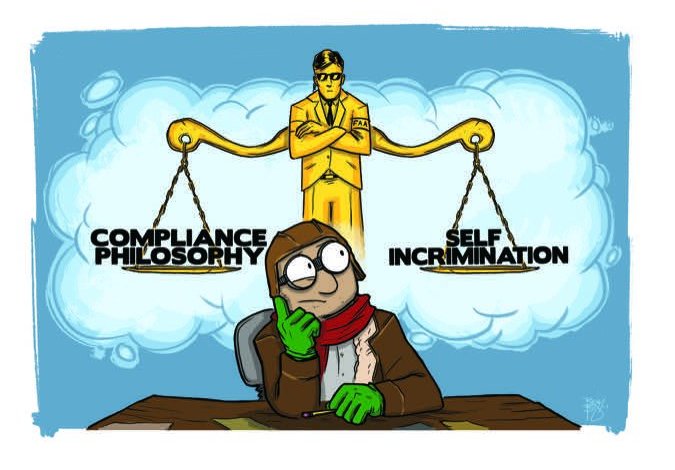
In the April issue of IFR, Fred Simonds wrote an article that did an excellent job of explaining how the FAAs Compliance Philosophy program, started in 2015, seeks to encourage pilot compliance with the regulations through guidance rather than punishment. He also provided data that strongly indicated it has had the effect of reducing the number of pilot deviation events (potential violations) that turned into violation actions seeking punishment of pilots to nearly zero.But, youll still want to be careful.
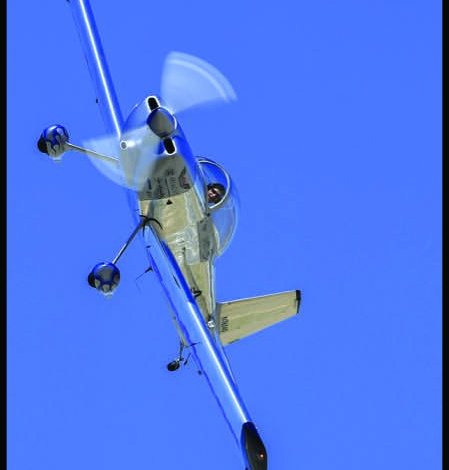
Unusual attitude recovery is a standard part of the FAA checkride for nearly every rating, plus flight reviews and instrument proficiency checks. Pilots dutifully don a hood, put their heads down as an instructor or examiner puts the airplane through a few gyrations and then says, Youve got it. The pilot looks up to see that the airplane is either in a nose-low or nose-high bank and usually makes a power change to help control speed, levels the wings and returns the nose to the horizon before something breaks. A check is placed in the unusual attitudes box and the pilot and instructor move on to other tasks.

Post-accident investigation indicated the warm front started moving faster and the weather deteriorated sooner than forecast. The airplanes radar target went directly toward the destination for about 110 miles, and descended to only about 800 feet agl. The track then turned into the afternoon sun and haze toward an airport only seven miles away. About two minutes later, the airplane turned left and descended below radar coverage.
One of the more common complaints heard when pilots gather is that someones spouse and kids wont fly with them or dont like flying in little airplanes. The person issuing the lament insists he (its almost invariably he) cant figure out why. Often the reason is he has scared the bejabbers out of his family members at least once and has displayed absolute cluelessness when it comes to making the flight an enjoyable experience.
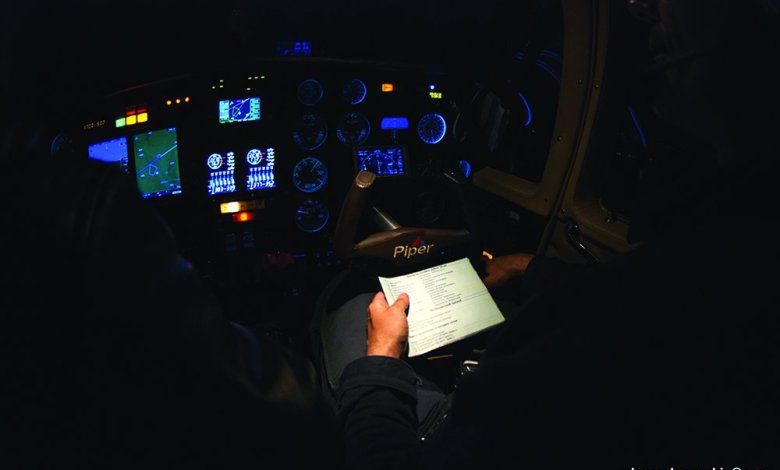
When its time for the instrument rating-the thinking rating-the instructors obligation ratchets up a few notches. An instrument-rated pilot is potentially going to be flying in high-risk environments-night IMC, ice, thunderstorms, approaches to a mere 200 feet above the unforgiving ground-with high workloads and in complex airspace. The instrument instructor must take a VFR pilot-who may have a casual attitude about checklists, systems, weather and risk analysis-and teach some respect for those subjects. He or she must impart the knowledge and skill needed to stay upright in awful weather, plus develop the savvy needed to think so far ahead of the airplane that the pilot is ready for whatever nature, ATC or system failures deal out.
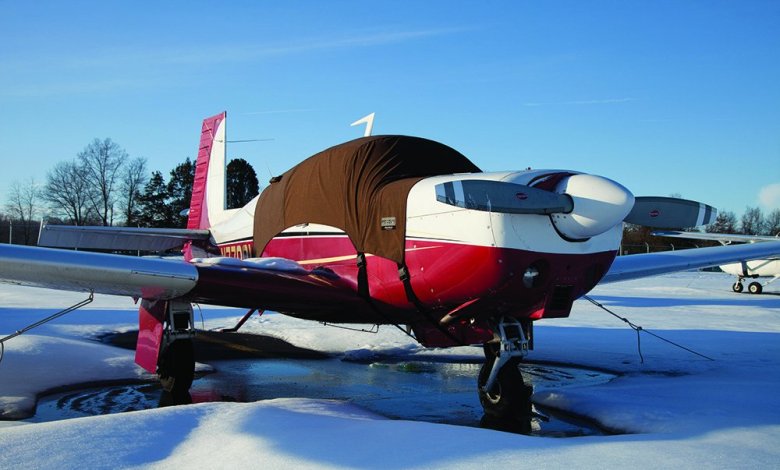
For those of us flying IFR in locations with a high probability of a white Christmas each year, we often need to recalibrate our aeronautical mindset from summer. We have to switch our weather default from Where are the thunderstorms? to Where is the ice? Winter brings us more challenging preflights, engine starts and airport operations. Even though we are all experienced instrument pilots, its still worth taking a few minutes to think about cold weather operations as we head into the worst of the season.