











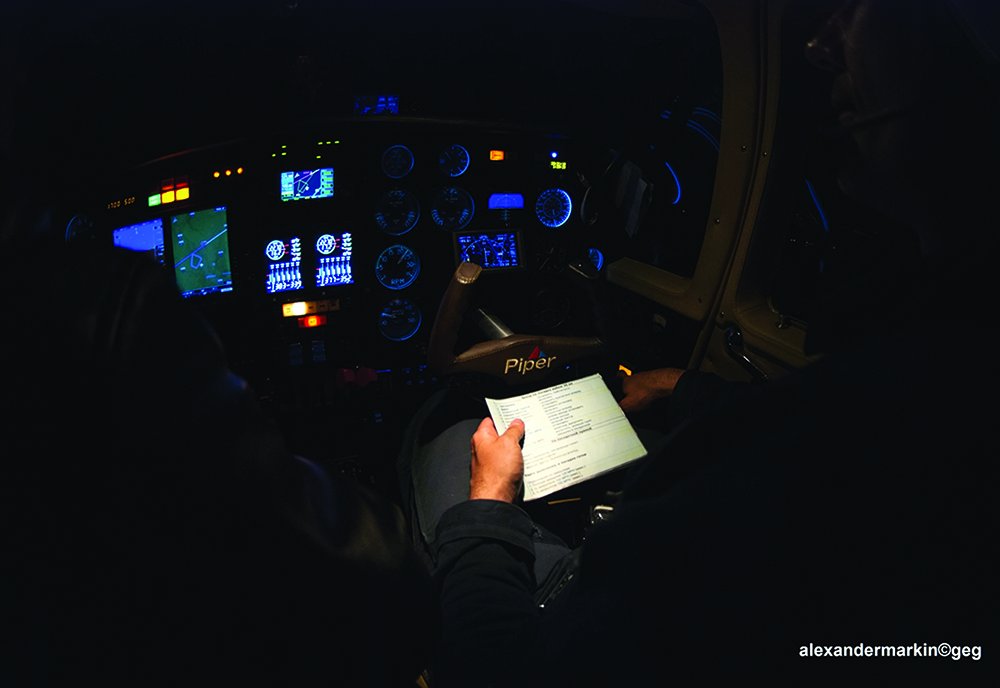


When it’s time for the instrument rating—the thinking rating—the instructor’s obligation ratchets up a few notches. An instrument-rated pilot is potentially going to be flying in high-risk environments—night IMC, ice, thunderstorms, approaches to a mere 200 feet above the unforgiving ground—with high workloads and in complex airspace. The instrument instructor must take a VFR pilot—who may have a casual attitude about checklists, systems, weather and risk analysis—and teach some respect for those subjects. He or she must impart the knowledge and skill needed to stay upright in awful weather, plus develop the savvy needed to think so far ahead of the airplane that the pilot is ready for whatever nature, ATC or system failures deal out.
Unfortunately, a certain proportion of instructors—generally, the time-builders who are aiming for an airline job—would much rather be elsewhere. The quality of their instruction and the instrument-rated pilots they produce shows it. And no matter where you go for instrument instruction, there’s a risk of drawing a CFI-I with whom a trainee just can’t get along. What should an instrument student expect from his or her instructor? What criteria should an instrument student use to measure whether the CFI-I is living up to those expectations? These are complicated questions, but they can be broken down into five basic areas instrument student should evaluate to ensure their instrument instructor is the right person at the right time.

