Features

Managing Lightning

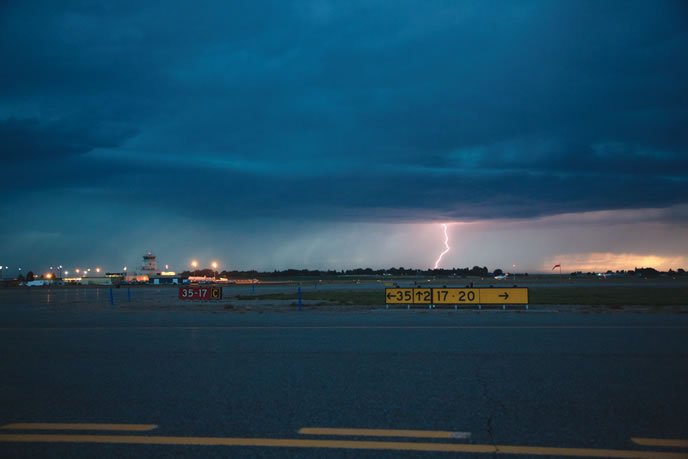
Lightning always gets your attention. It should. On average, 51 people die in the U.S. each year from lightning strikes, making it the second-most common cause of storm-related deaths in the country, behind only floods. Hundreds more people are struck by lightning each year in the U.S., resulting in significant injury. Lightning strikes, however, mostly affect people on the ground and generally cause little to no injury to pilots in the air despite NOAA estimates that there are about 25 million lightning strikes in the U.S. each year.
Read More »

See And Be Seen?

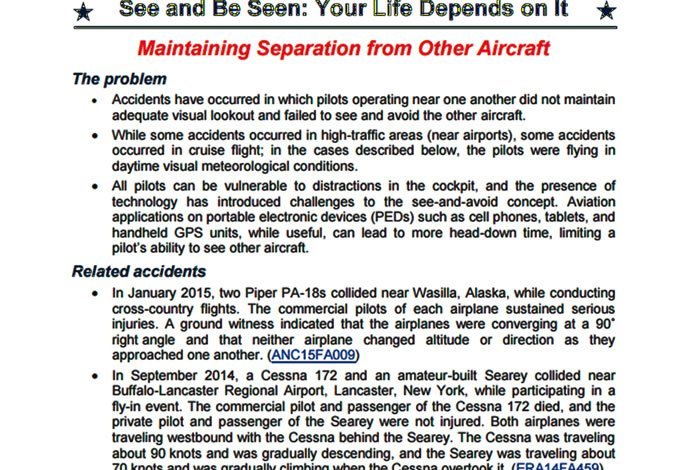
From time to time, someone will pop up with the idea that the time-honored practice of visual traffic separation-often known as see and be seen-is too archaic for modern aircraft. Anything that flies, so the theory goes, should have some kind of automated collision avoidance system which does exist but will solve all potential conflicts between aircraft of all sizes. Someday, perhaps, but until then most of us are stuck using see and be seen.

Read More »

Additional Equipment

While flames in the cabin pretty much assure a bad day, such events are thankfully very rare. Much more common when an in-flight fire erupts are smoke and fumes in the cabin, and they are potential killers.

Read More »

Preventing In-Flight Fires

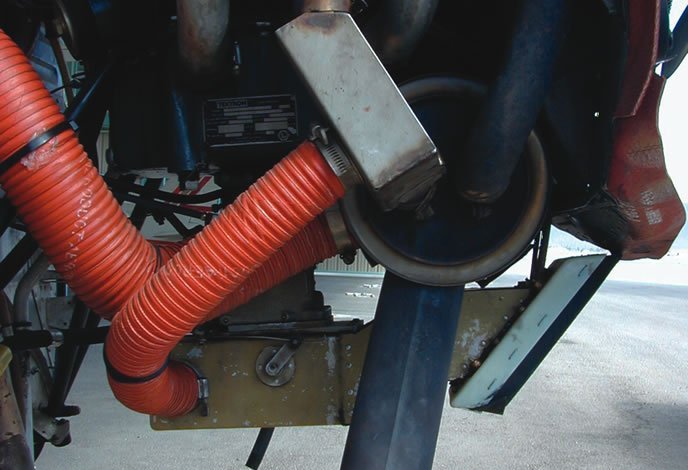
To help prevent in-flight fires, always insist on having all maintenance done by certified professionals. During the preflight inspection, ensure that fuel and oil filler caps are secure. Additionally, look for leaks and small puddles of fuel or oil on the ground beneath the engine cowling(s) and fuel tanks/sumps. Checking for fuel and oil leaks on and inside the engine cowling also is strongly recommended.

Read More »

Summary: Risk In The Red

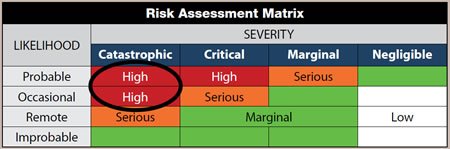
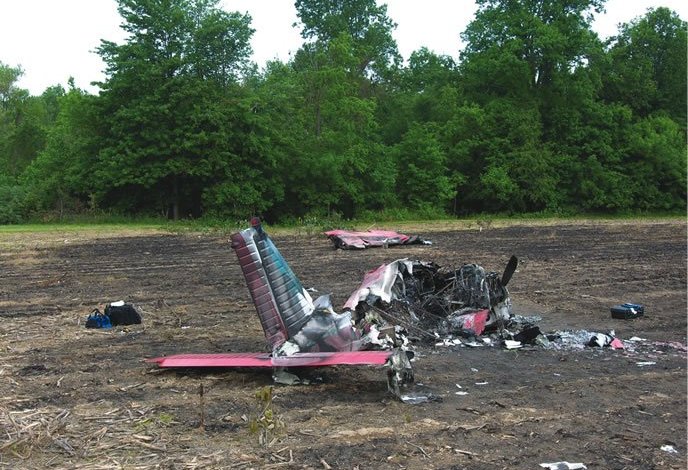
There was a demonstrably high probability this flight would end tragically. If we assess honestly all the risks identified, along with their likelihood (probability) and severity (consequences), its clear that mitigation was needed to reduce these high risk levels.

Read More »

The Pilot

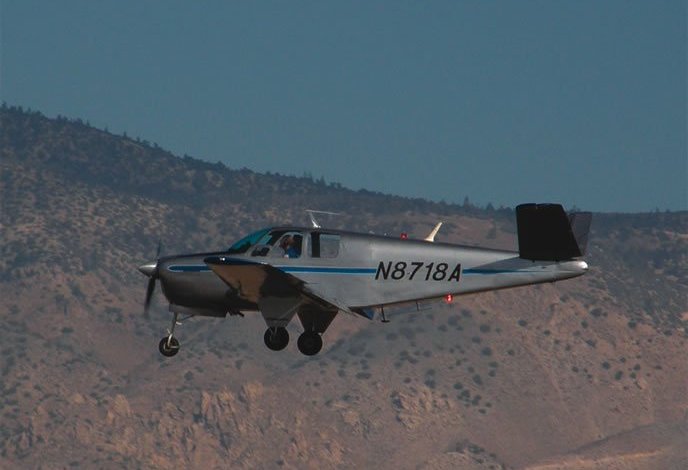
Despite pilot Roger Peterson being a young married man who built his life around flying, he had failed his instrument rating checkride nine months prior to the accident. He held a waiver to his second-class medical certificate for a hearing deficiency, although this almost certainly was not a factor in the accident. Most significantly, he had taken instrument training in an aircraft with a different type of attitude indicator than the one in the Bonanza. It provided a direct movement of the airplane on the face of the instrument, similar to todays modern steam-gauge attitude indicators, but opposite that of the then more-prevalent war-surplus attitude indicators in which the airplane stayed constant in the instrument while the artificial horizon moved instead.

Read More »

In Contrast to 1959

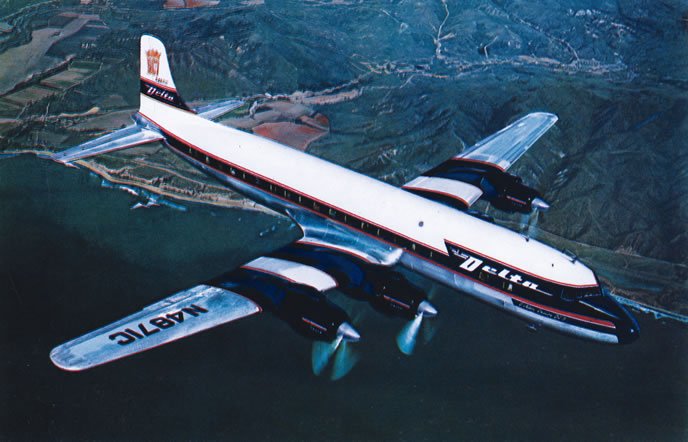
Its enlightening to contrast 1959 with today. The civilian jet era had barely begun, and the skies were still ruled by DC-7s, Connies and Stratocruisers, with Convairs and DC-3s for the short hops. Airline fares were tightly regulated and four-engine airliners stopped at a surprising number of out-of-the-way places. Yet a large majority of Americans had never flown in any kind of airplane.

Read More »

Crosswinds On Rails

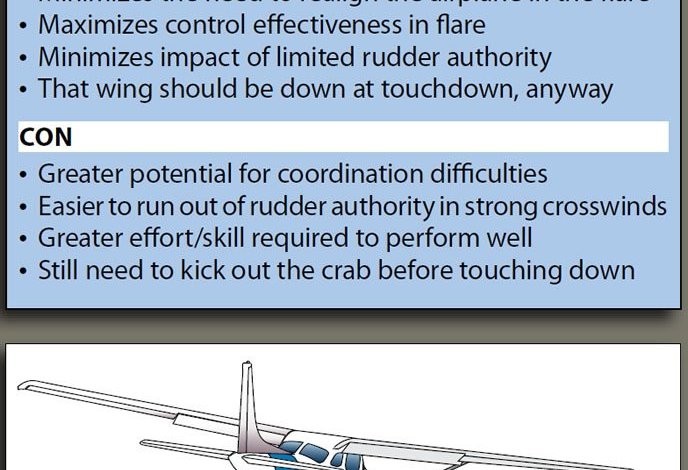
Dont stop to think, just answer the question: When flying a crosswind approach to landing, which compensation technique do you use, a sideslip all the way to the runway, touching down first on the upwind main wheel? Or do you crab into the crosswind, kicking it out at the last second to align the airplane with the runway as it touches down?

Read More »
Pilot in aircraft
Sign-up for newsletters & special offers!

Get the latest stories & special offers delivered directly to your inbox.

SUBSCRIBE