











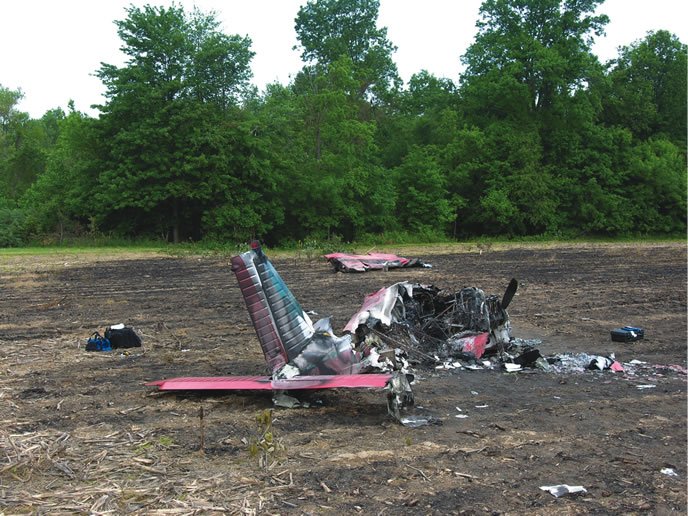


Combustion requires an appropriate fuel and an ignition source, plus air. When we’re airborne, we have lots and lots of air available, some of it moving quite fast, enabling and perhaps worsening a fire. Depending on the source, location and intensity of an in-flight fire, it can have catastrophic effects on the airframe, engine(s), electrical system and, of course, the occupants. So, it’s not much of a stretch for us to say an in-flight fire is one thing all pilots should respect.
The best way to handle an in-flight fire is by preventing one in the first place, usually by employing sound maintenance and operating practices. But stuff happens, and how we might try to extinguish or control an in-flight fire depends on its nature and location. One thing that should be abundantly clear to any pilot is that the first indication of an in-flight fire is more than sufficient reason to declare an emergency and prepare to land immediately, even off-airport if appropriate.

