









Michael J. Banner
Tuesday, July 2, 2024
Mitigating Pilot Deviations
Pilot deviations, from minor mistakes to serious errors, have myriad reasons. All can be mitigated with risk management.


Pilot deviations, from minor mistakes to serious errors, have myriad reasons. All can be mitigated with risk management.
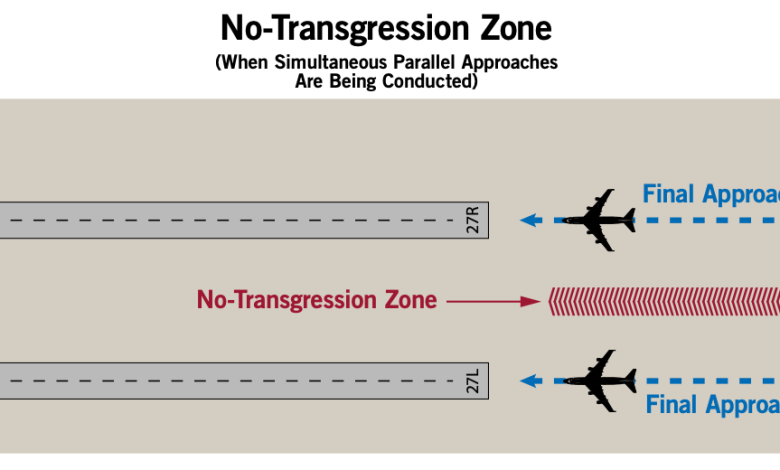
Airports and their runways come in all shapes and sizes, from turf strips lacking any real markings, but with trees at both ends, to massive, busy, complicated affairs like ATL, DFW, JFK or ORD. And pilots are expected to understand and comply with all procedures for operating at them, including taxiways and hotspots, runway intersections, […]
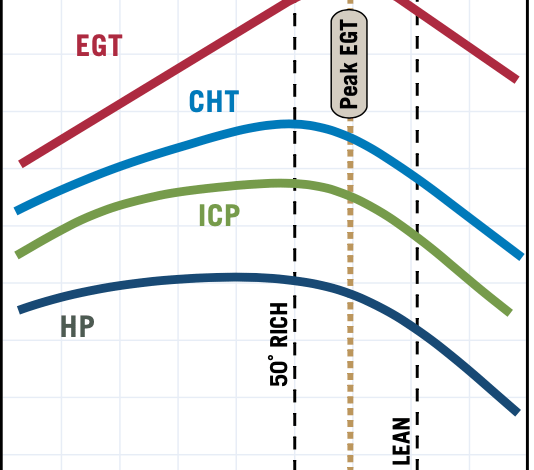
While conducting flight reviews for two decades, I’ve noted a subset of informed pilots employing up-to-date concepts to properly manage the air/fuel mixture entering their piston engine. Other pilots—probably because they were initially trained that way—leaned to peak exhaust gas temperature (EGT), no matter the engine power setting, and then enrichened it by 50 degrees […]
After turning from base to final, a pilot should be able to quickly and correctly determine whether to continue or discontinue the approach to landing by judging salient visual clues. What clues? The runway sight picture, glide path, descent rate, runway heading, airspeed and altitude are the primary ones we should be using. Pilots need […]
After 20 years as a flight instructor, I’ve observed that too many general aviation pilots do not monitor nor understand the significance of maintaining cylinder head temperature (CHT) within the proper operating range. Thanks to aircraft system ignorance, failure to maintain engine situational awareness, laziness, apathy or combinations thereof, many pilots are remiss at monitoring […]
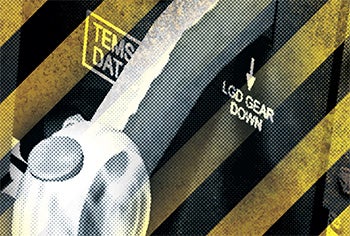
Excessive heat “kills” integrated electrical circuits, the kind found in modern avionics. Unlike many other electronic devices, avionics also may be exposed to sunlight filtered only slightly by a transparency. Combining the two sources—as when on the ground on a hot, sunny day, engine running and with all the electrical equipment active—is fairly common. While […]
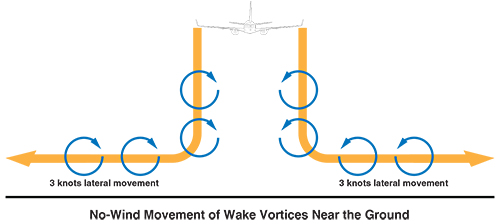
In no-wind situations as pictured in the diagram at top right, wake vortices tend to move outward laterally across the surface at about three knots. However, when light crosswinds are present, the downwind vortices will move at three knots plus the wind velocity. The upwind vortices, meanwhile will stay over the runway, as shown in […]
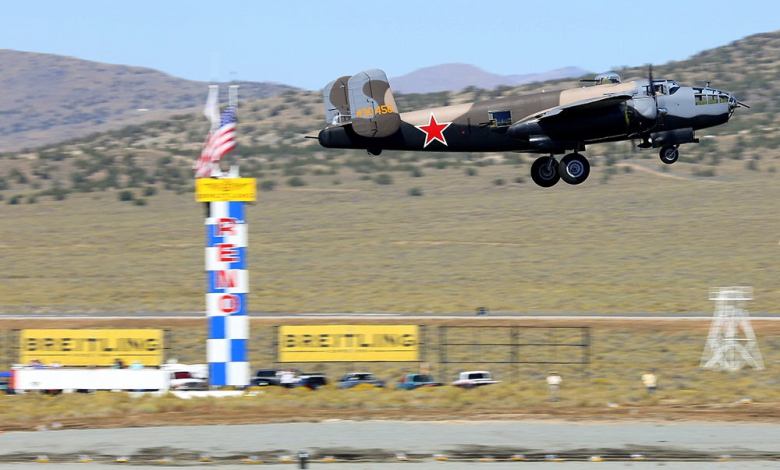
Unless you’re flying a tailwheel-equipped airplane, you really don’t want the tail to touch the ground. It’s potentially dangerous, not to mention embarrassing. And a tail strike—when the tail section of an airplane contacts the surface while taking off or landing—can result in significant damage to the aft section of a tricycle-gear airplane. The good […]
Several pilots to whom I’ve given check rides or flight reviews in recent years were willing to needlessly tempt fate and accept a takeoff or landing clearance in situations where a potential encounter with wake turbulence was a real possibility; I’ve had to stop them from taking off or landing. Nonchalance, carelessness and ignorance—or combinations […]
Prior to the advent of jet transports like the Boeing 707 and Douglas DC-8 in the late 1950s, what we’ve come to know as wake turbulence was often dismissed as “propwash.” As heavier and heavier aircraft, like the Lockheed C-5 and the Boeing 747, grew in numbers, the FAA, NASA, the U.S. Air Force and […]