













Wind’s Effect on Vortices

Gemini Sparkle

Key Takeaways:

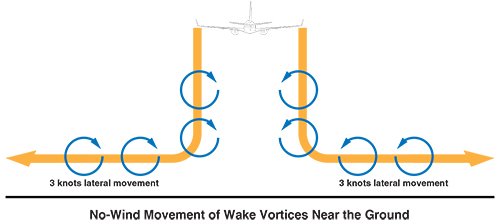
  • In no-wind conditions, wake vortices move outward laterally at approximately three knots.
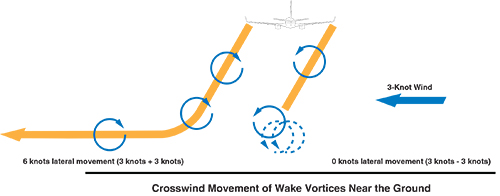
  • With light crosswinds, downwind vortices move at three knots plus the wind velocity, while upwind vortices remain over the runway, impacting operations on both original and parallel runways.
  • Wake vortices can remain energized for longer than the FAA's standard three-minute duration.
See a mistake? Contact us.

In no-wind situations as pictured in the diagram at top right, wake vortices tend to move outward laterally across the surface at about three knots. However, when light crosswinds are present, the downwind vortices will move at three knots plus the wind velocity. The upwind vortices, meanwhile will stay over the runway, as shown in the diagram at bottom right. This behavior has obvious implications for operations in crosswind situations on both the original runway and on downwind, parallel runways.

In our experience, vortices can remain energized for longer than the FAA-standard three minutes. 

Ready to Sell Your Aircraft?

List your airplane on AircraftForSale.com and reach qualified buyers.

List Your Aircraft
AircraftForSale Logo | FLYING Logo
Pilot in aircraft
Sign-up for newsletters & special offers!

Get the latest stories & special offers delivered directly to your inbox.

SUBSCRIBE
