Features

Aircraft Engine Cylinder Failures

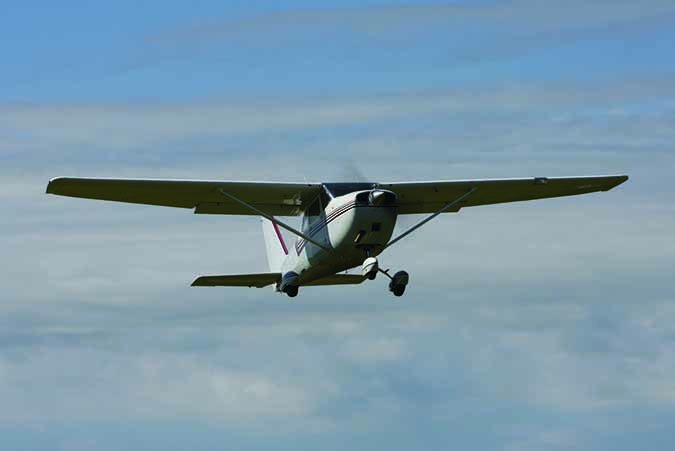
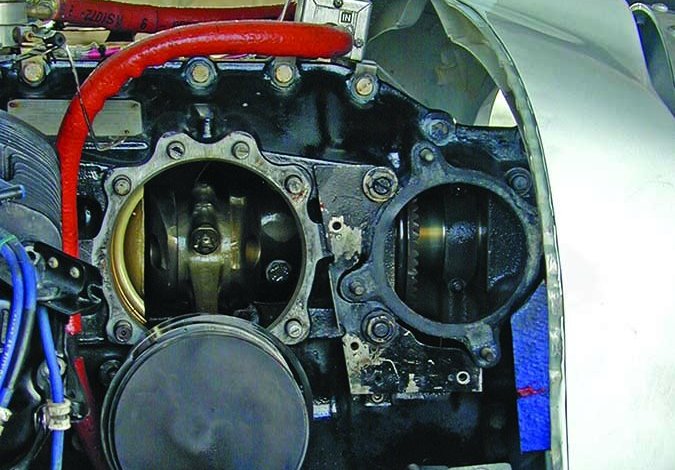
Most of us fly aircraft powered by piston engines, a basic technology dating back to the late 19th century. Meanwhile, the modern air-cooled aircraft piston engines basic configurations hasnt changed since before WWII. Given the power output for their weight and fuel consumption, theres no better solution. But hundreds of metal parts going through thousands of heat cycles year after year eventually find a way to break.
Read More »

Getting Out Of Here

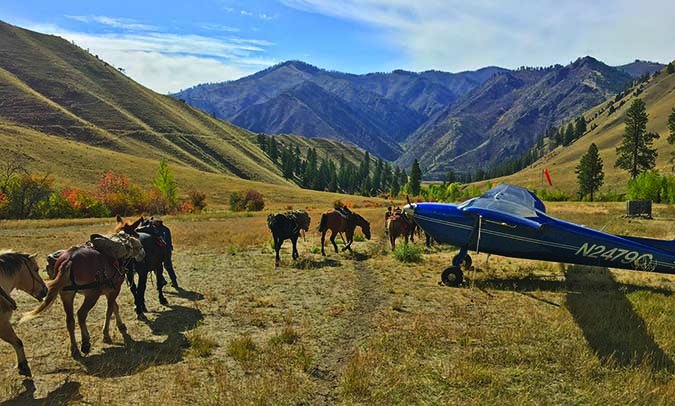
I get kind of worked up when Im unsure. Last year, I hauled a load out of a backcountry strip (Sulphur Creek, Idaho, ID74) that included a 320-pound elk, my brother and me, plus all our gear for eight days in my Cessna 180. Field elevation was 5835 feet, and I remember that the takeoff used up a lot of the 3300-foot runway. I went through the numbers over and over before I left and when we got home, I confirmed the loading cargo put us right at gross weight on takeoff.

Read More »

Pitot-Static System Failures

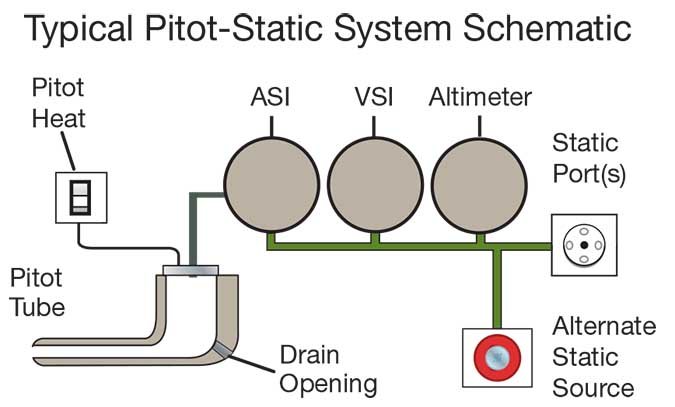
The Boeing 727-200, operating as Northwest Airlines Flight 6231, departed John F. Kennedy International Airport in New York, N.Y., at about 1926 Eastern time on December 1, 1974. A ferry flight with only crew aboard, the 727s destination was Buffalo, N.Y., a great-circle distance of 261 nm. After takeoff, the aircraft climbed to 13,500 feet msl and leveled off for about 50 seconds, accelerating from 264 knots to 304 knots.

Read More »

Solid Red Means Hold

The latest in the FAAs efforts to prevent runway incursions goes into effect at the San Francisco (Calif.) International Airport (SFO) November 30. It takes the form of the Runway Status Lights (RWSL) program, an automated series of red lights embedded in taxiways that enter runways and in the departure end of runways themselves. The lights warn pilots of high-speed aircraft or vehicles on runways, according to the agency.

Read More »

Cloak Of Invincibility

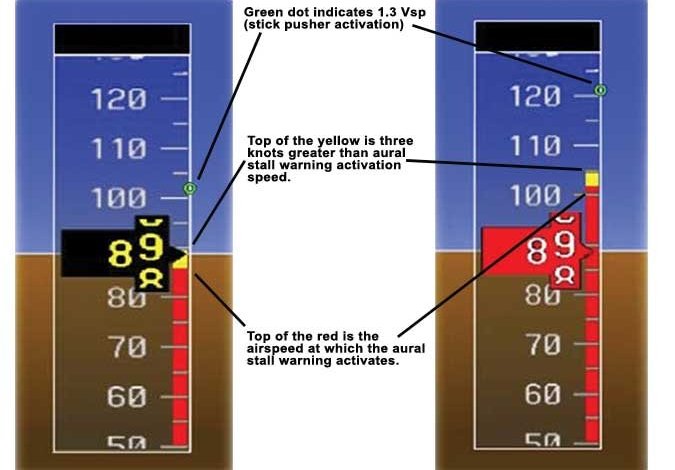
the left airspeed tape simulates the pilot’s chosen configuration while the right one depicts what the pilot would have seen with de-icing equipment engaged.”

Read More »

Too Much Automation?

Theres no question in my mind that a good autopilot system tends to dull a pilot to what the airplane is doing and what it may be telling him or her. Im fortunate to have a really good one in my traveling airplane and use it most of the time when Im in cruising flight. It will fly a heading, follow a magenta line, climb/descend to a preset altitude at a rate of my choosing and shoot coupled ILS or GPS approaches.

Read More »

Manufacturer Mandates

Readers likely are familiar with the role product liability plays in general aviations history. It shares responsibility for the industrys collapse in the 1980s and it wasnt until federal legislation was enacted-the General Aviation Revitalization Act of 1994, which limited manufacturer liability-that some piston-engine airplane production was restarted. Separately, patterns were identified involving accidents of specific aircraft types, and addressing them became another way to minimize the risk of successful liability claims.

Read More »

Not At Night

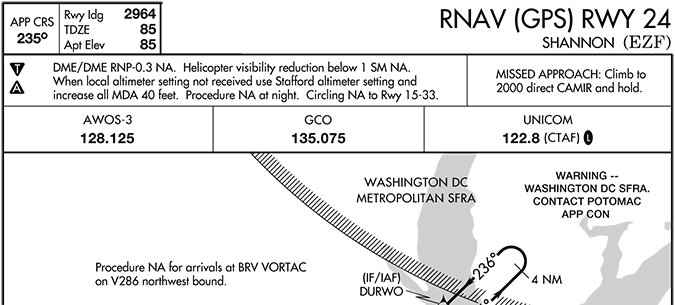
One of the first things instrument pilots learn during their training to fly approaches is reading the fine print, the various notes that may accompany a published procedure. Its a classic case of the large print holding great promise while the small print dashes any lingering hopes. Perhaps most ubiquitous is the NoPT admonition that a procedure turn is not authorized when flying to the final approach fix on certain segments.

Read More »

Impaired Flying Targeted

According to the FAA and its Civil Aerospace Medical Institute, CAMI, between six and 14 percent of pilot fatalities are related to alcohol intoxication. While that seems like a very high number of pilots in our experience-and a wide, inexact statistical range-the agency said it reached its conclusion by analyzing deceased pilots blood and tissue samples after accidents.

Read More »

Aircraft Stalling: 3 Basic Kinds

Veteran pilots know better, because theyve learned that stalls are a normal part of flying, neither an aberration nor abnormal. They realize and understand stalls are simply what happens at the lowest end of an aircrafts normal flight envelope. Stalls when not wanted, not needed, at the wrong time, wrong place bend airplanes and break people. Which brings us to the first and most-important rule to remember about stalls: A stall can occur at any airspeed, in any attitude and at any power setting, from dead engine through full power.

Read More »
Pilot in aircraft
Sign-up for newsletters & special offers!

Get the latest stories & special offers delivered directly to your inbox.

SUBSCRIBE