Features

Preventing In-Flight Fires

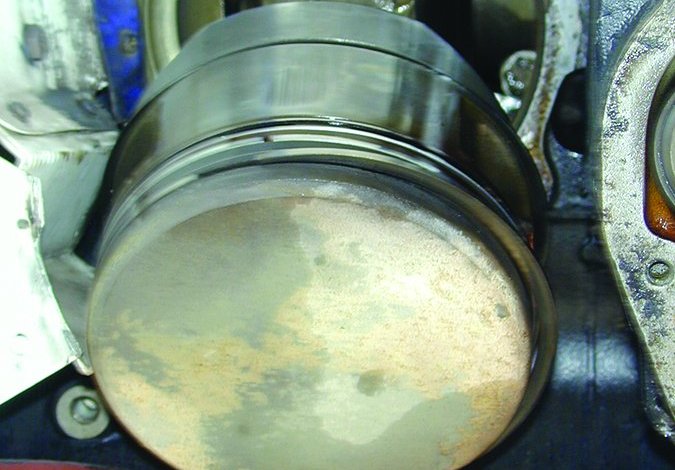
While there are differing statistics regarding causes of aircraft fire-related accidents, it is safe to say that aircraft maintenance and pre-flight actions by the pilot play a significant role in most such events. And since the chances of surviving an in-flight fire without major injury or death are poor, preventing a fire from occurring in the first place should be Job One. Pilots can memorize procedures, talk about scenarios and what-ifs, but when it is all said and done, avoiding one starts on the ground.
Read More »

FAA Updates Wx Guidance

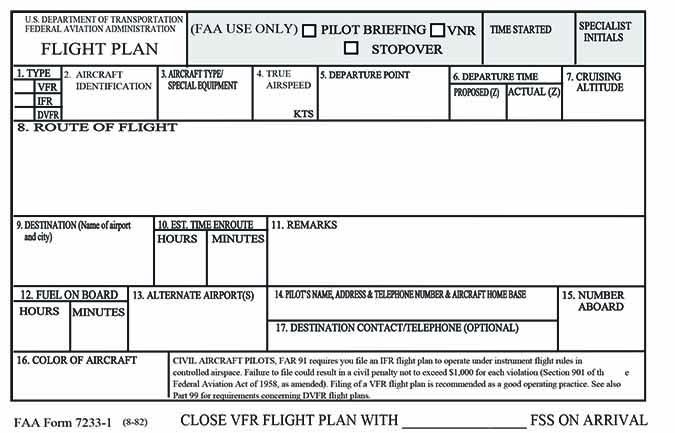
Weve previously reported on the FAAs plans to eliminate its very familiar flight plan form with one aligned with the Internal Civila Aviation Organization (ICAO) standards. The ICAO form is and has been required for international flights. Beginning in early 2017, it will be necessary for filing domestic flight plans, too, both IFR and VFR, as well as DVFR and for the Special Flight Rules Area (SFRA) surrounding Washington, D.C. The switchover was to occur earlier this year, then it was to go into effect on October 1.

Read More »

Where The Drones Are

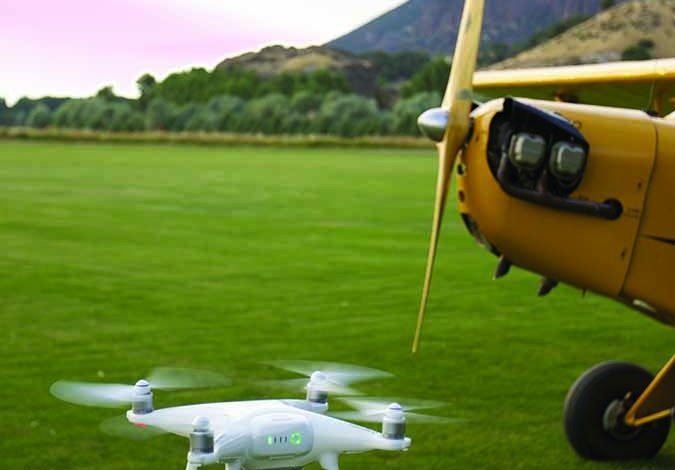
Understanding how drones-in FAA parlance, an unmanned aircraft system (UAS) is sometimes called a drone-are used is the first step toward avoiding an unexpected and unwanted encounter. In its recently released Part 107 regulations on commercial use of UAS, the FAA focused on small UAS, craft weighing under 55 pounds. Given their numbers and popularity, this is the class of systems with which we should be most concerned.

Read More »

Off The Beaten Path

The controller finally was able to clear me to the locales minimum vectoring altitude (MVA-see the sidebar on the opposite page) of 1600 feet msl and soon I broke out of the stratus layer into good VMC underneath. I could see a few lights on the ground, but the runway was out of sight, behind me. Since I was still IFR and on a vector, I couldnt just go zooming around out here, looking for the airport, without canceling IFR. And I didnt want to cancel until I was relatively sure I didnt need it anymore.

Read More »

Missing Flight Plan

Depending on the controller and his/her workload, plus how professional you sound on the radio, ATC may offer to fix the problem immediately. A controller can prompt you for enough information to enter your plan into the system directly, without you needing to chase down someone else on the phone or another frequency to re-file. If you can do it with your cell-connected tablet and an EFB app, try it. Otherwise, youll have to figure out a way to contact Flight Service and file all over again. Of course, you can depart VFR instead of IFR. If the weather is good, thats an option, and you can raise Flight Service on the radio once youre airborne and file, then call ATC for the clearance.

Read More »

When The Juice Drys Up

On the first occasion, I was on an IFR flight plan departing into an 800-foot ceiling on my way to a destination reporting clear skies. At some point, I would clear the fog layer covering the inversion and find those clear skies, I just didnt know exactly where the layer would burn off. On departure I passed through the 500-foot-thick layer and was soon in VMC on top. Tops were at roughly 6500 feet and I was cruising along at 8500 with nothing but blue skies above me and a flat layer of white tops 2000 feet below.

Read More »

50 Years a Pilot

As I write this, Im looking at my Wright Brothers Master Pilot Award sitting near the window sill. Its the most prestigious award the FAA issues to pilots, according to the agency, and eligibility for it requires a minimum of 50 years to elapse since a pilots first solo flight. I originally dismissed this award as an overblown creation of the FAA or, worse, an old geezers award for longevity. I finally decided it would be a great bookend for a lifetime of flying, or a beginning of the next chapter. For those of you out there with 50 continuous years of flying without accident, incident or violation-or if you know someone who meets the minimum requirements-you can find details of the award and how to apply on the FAA website.

Read More »

Beyond Formal Risk Management

Back in the day, the formal risk management techniques applying to contemporary general aviation hadnt been invented yet, so most pilots were on their own. How did they survive? Here are the main factors the author attributes to his success.

Read More »

An Instrument Proficiency Check Each Year

the applicant must demonstrate the ability to perform the Tasks listed in the table below. The person giving the check should develop a scenario that incorporates as many required Tasks as practical to assess the pilot’s ADM and risk management skills.””

Read More »

Bottom of the White

When transitioning between Earth and sky and back again, we fly at the lower end of the controlled-flight regime-as Goldilocks might say, Not too fast, not too slow, but just right. Pilots departing generally spend less time in the bottom range of their aircrafts airspeed envelope than during arrivals and approaches. Departing, we accelerate into the takeoff roll, lift off and, still accelerating, climb. Arrivals are the opposite. We descend and slow to approach speed, enter the pattern, and decelerate even more when sliding down the final.

Read More »
Pilot in aircraft
Sign-up for newsletters & special offers!

Get the latest stories & special offers delivered directly to your inbox.

SUBSCRIBE