













Register

Getting Out Of Here

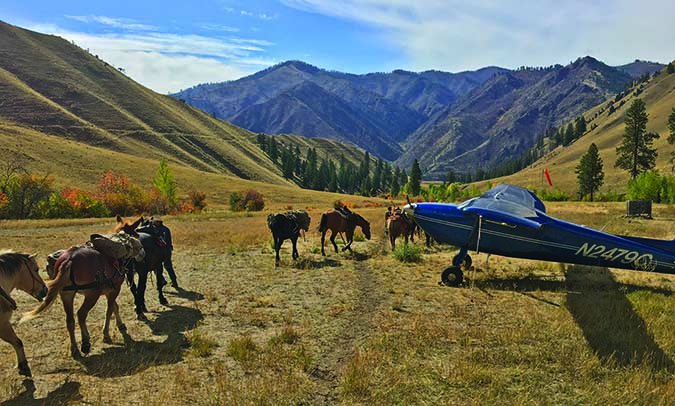
I get kind of worked up when Im unsure. Last year, I hauled a load out of a backcountry strip (Sulphur Creek, Idaho, ID74) that included a 320-pound elk, my brother and me, plus all our gear for eight days in my Cessna 180. Field elevation was 5835 feet, and I remember that the takeoff used up a lot of the 3300-foot runway. I went through the numbers over and over before I left and when we got home, I confirmed the loading cargo put us right at gross weight on takeoff.

Gemini Sparkle

Key Takeaways:

  • Pilots must meticulously *know* (not guess or assume) their aircraft's weight and balance limits for every flight, especially when carrying heavy or unusual loads, to ensure safety and avoid becoming a "test pilot."
  • Familiarization with an aircraft's loading permutations through calculations (using apps, spreadsheets, or manual methods) helps pilots understand how different configurations affect Center of Gravity (CG) and how to load properly.
  • Conservative planning and risk mitigation, including establishing abort points and utilizing flight techniques for challenging conditions like short or sloped runways, are crucial for safe operations with heavy loads.
  • Gathering real-world data, such as weighing cargo after a trip, provides valuable insights to refine estimates and enhance a pilot's intuitive understanding of their plane's performance envelope.
See a mistake? Contact us.

I get kind of worked up when I’m unsure. Last year, I hauled a load out of a backcountry strip (Sulphur Creek, Idaho, ID74) that included a 320-pound elk, my brother and me, plus all our gear for eight days in my Cessna 180. Field elevation was 5835 feet, and I remember that the takeoff used up a lot of the 3300-foot runway. I went through the numbers over and over before I left and when we got home, I confirmed the loading cargo put us right at gross weight on takeoff.

This year, I flew a similar load out of Cabin Creek, Idaho (I08), with 16 fewer gallons of gas, 1600 fewer feet of elevation and 1600 fewer feet of runway. Cabin Creek’s 1700-foot-long runway has a rather substantial slope, a 100-foot elevation drop from the top of the runway to the bottom, giving it a 6.35 percent grade. Unless you’re flying a helicopter, taking off downhill is the only way.


Ready to Sell Your Aircraft?

List your airplane on AircraftForSale.com and reach qualified buyers.

List Your Aircraft
AircraftForSale Logo | FLYING Logo
Pilot in aircraft
Sign-up for newsletters & special offers!

Get the latest stories & special offers delivered directly to your inbox.

SUBSCRIBE