Features

NTSB Takes On Midair Collisions

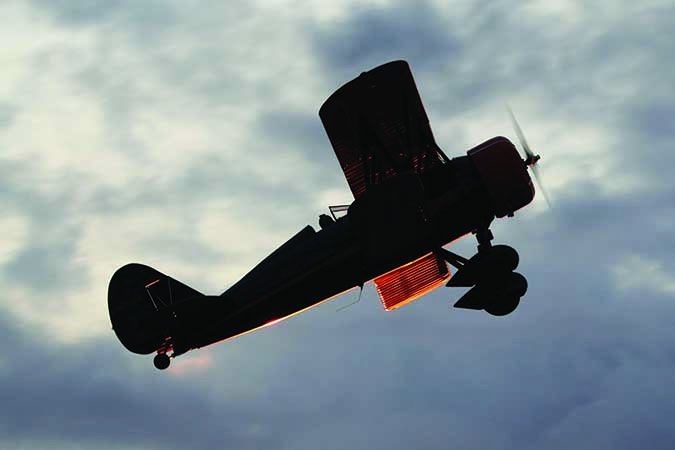
In the aftermath of its investigations into recent midair collisions the National Transportation Safety Board (NTSB) in November released guidance for pilots stressing the inherent limitations of the long-standing see-and-avoid practice and urging adoption of technological solutions. The NTSBs guidance is found in Safety Alert SA-058, Prevent Midair Collisions: Dont Depend on Vision Alone. The Safety Alert is available in the PDF file format free for the download at tinyurl.com/SAF058.
Read More »

Altitude? Or Speed?

Last year, I flew maybe 40 hours in piston twins, building time and getting through a checkride. With a bunch of experience in the IFR system flying high-performance singles, keeping up with the twins I was flying-and planning ahead and managing their systems, even in the busiest airspace-was relatively easy. Performing the engine-failure drills, the VMC and drag demonstrations, and practicing various other systems failures also were relatively easy, thanks to my experience in complex airplanes.

Read More »

Light Business Aircraft

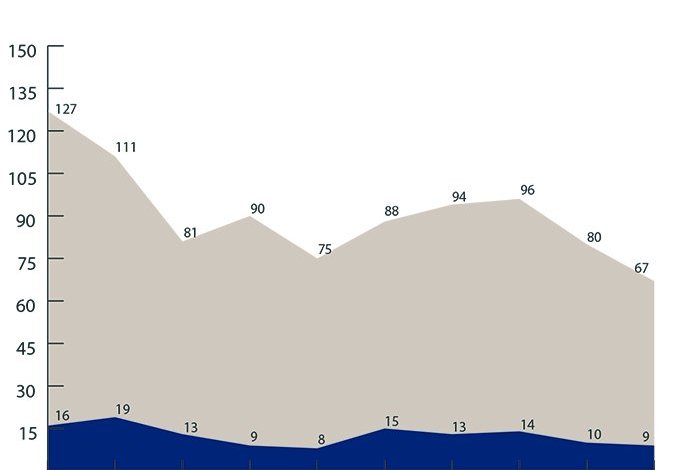
since both the FAA and the NTSB define this category precisely in terms of the crew consisting of a single non-professional pilot who operates the aircraft as an incidental duty to the pilot’s business. Source: FAAüThis chart is from a presentation by NTSB Member Earl F. Weener delivered at the NBAA’s Single Pilot Safety Standdown in November 2015. It highlights how the business aviation segment fatal accident rate

Read More »

Emergencies Are Analog

Over the years, Ive had my share of urgent situations, events that were abnormal and required ending a flight in a fashion other than was planned or performing a checklist from the flight manuals emergencies section. These events never really turned into full-fledged emergencies, but emergency is defined by the person experiencing it. Most of us have experienced such episodes-peaking oil temperature, a rough-running engine, an unsafe landing gear indication. The outcome is more likely to be frustrated phone calls from unfamiliar airports, plus unscheduled underwear changes, than an accident report.

Read More »

Climbing On Top

The day of my departure, I had one good sign. The area forecast predicted tops at between 12,000-14,000 feet. Thats a familiar forecast for the time of year, and I find it enjoyable to fly over a cotton-like cloud deck. It was also well within my airplanes capability, and I had a four-place oxygen bottle that had been recently topped off. Looking at the satellite data, Metars and TAFs at my destination, it appeared to be clear on the far end of my route.

Read More »

Pegging Performance

Remember when you were a primary student, learning to land? When you were abeam the runway numbers on downwind, your instructor probably taught you to pull the power off to begin slowing down. Then you deployed flaps and began the descent, nailing the desired airspeeds and following the pattern to the runway. If you did it right, made your turns at the correct points and reduced power to the optimal setting, you wouldnt need to touch the throttle again until flaring over the runway.

Read More »

Aviation Safety 2016 Editorial Index

Catastrophic FailureAugustClassic CFITMayCloak Of InvincibilityDecemberFifteen MilesJuneMinimum EquipmentMarchMissing Flight PlanOctoberMostly MundaneJanuaryRunning The ScudAprilSpin Recovery FailureSeptemberThe Impossible TurnFebruaryToo Much Automation?NovemberUnsecured CargoJuly

Read More »

When The Earth Moves

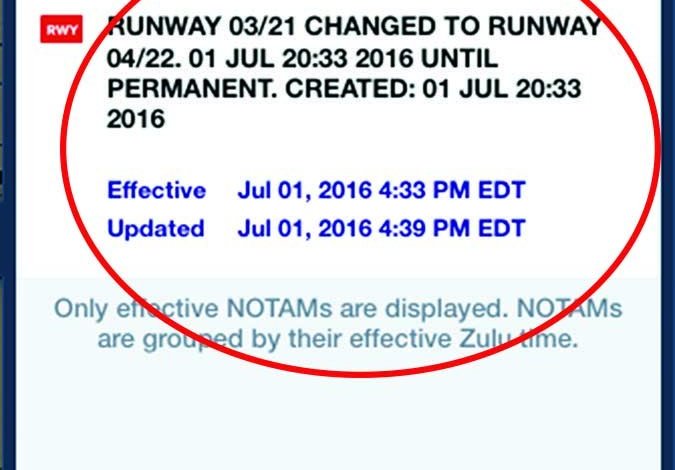
Everyone aboard the Beech Model 17 Staggerwing in which I was a passenger had been to the Driggs, Idaho, airport (KDIJ) dozens of times, perhaps even hundreds. Driggs Reed Memorial Airport is one of the more scenic airports in the country, much less Idaho. But as we approached, we could tell something was amiss. The pattern was busier than usual, and we heard a call for Runway 22. All three of us knew with confidence that Driggs single runway is laid out 03-21, but a second and third plane called in approaching the same, seemingly wrong runway.

Read More »

Mismanaging Flight Energy

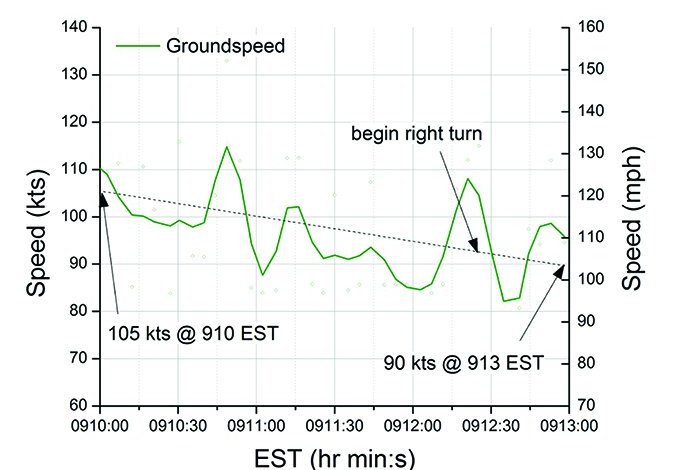
Loss of control in-flight (LOC-I) has become the safety issue du jour, and justifiably so. According to the NTSB, between 2001 and 2011, over 40 percent of fatal fixed-wing GA accidents occurred because pilots lost control of their airplanes. Takeoff and climb, landing and maneuvering are regarded to be the flight phases in which pilots are most susceptible to LOC-I,

Read More »
Pilot in aircraft
Sign-up for newsletters & special offers!

Get the latest stories & special offers delivered directly to your inbox.

SUBSCRIBE